HP CM Office Calls Aditya Sharma's Father After Hormuz Attack
Synopsis
The Chief Minister's Office of Himachal Pradesh personally called the father of Aditya Sharma, an Indian seafarer killed in an attack on a commercial vessel near the Strait of Hormuz, expressing condolences and acknowledging the family's unbearable grief.
Key Takeaways
Aditya Sharma , a resident of Himachal Pradesh , died in an attack on a commercial vessel near the Strait of Hormuz .
The Chief Minister's Office of Himachal Pradesh personally called his father on June 11, 2026 to offer condolences.
The CM Office described the father's grief as palpable and felt in every word of the conversation.
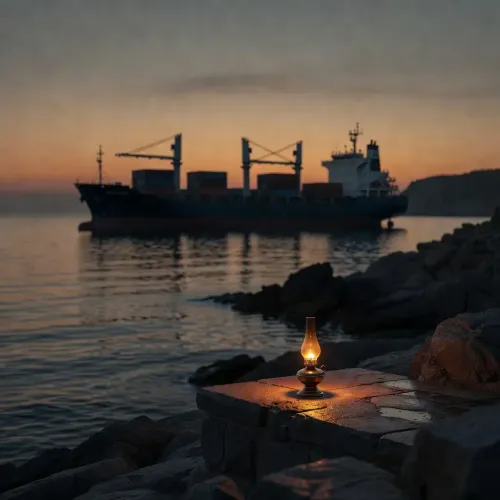
The Strait of Hormuz is a critical global maritime chokepoint between Iran and Oman , prone to periodic attacks on commercial shipping.
Formal responses from the Ministry of External Affairs and the shipping ministry are awaited regarding investigation and family support.
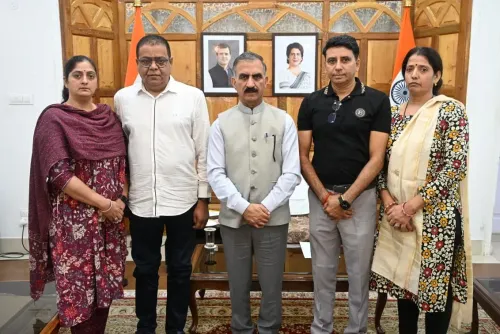
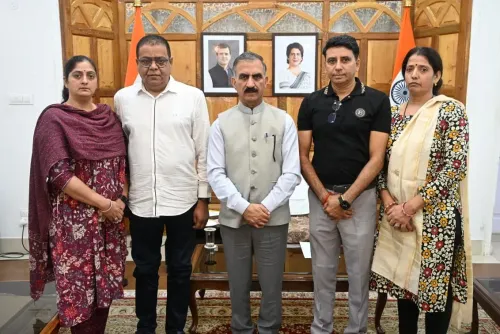
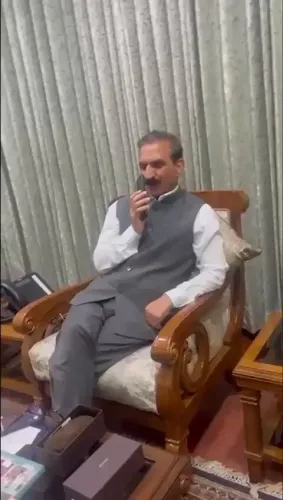
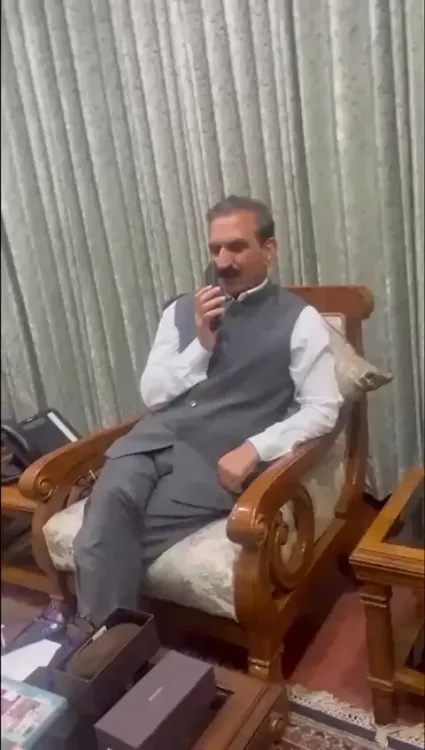
The Chief Minister's Office of Himachal Pradesh on Thursday, June 11, 2026, reached out by phone to the father of Aditya Sharma, a young Indian seafarer from the state who lost his life in a tragic attack on a commercial vessel near the Strait of Hormuz. The call was made to express condolences and stand in solidarity with the grieving family.
Posting on X, the Chief Minister's Office wrote: 'Strait of Hormuz ke paas ek vaanijyik pot par hue dukhad hamle mein Aditya Sharma ji ke asamayik nidhan ke baad unke pita ji se phone par baat ki.' (Spoke on phone with his father after the untimely death of Aditya Sharma in a tragic attack on a commercial vessel near the Strait of Hormuz.) The post added that the unbearable grief of a father who has lost his son forever was felt in every word of the conversation.
Context
Aditya Sharma, a resident of Himachal Pradesh, was among the crew aboard a commercial vessel that came under attack near the Strait of Hormuz, the narrow but strategically vital waterway situated between Iran and Oman. The Strait of Hormuz is one of the world's most critical maritime chokepoints, through which a significant share of global oil and trade traffic passes. His death has drawn the attention of the state government, with the Chief Minister's Office personally reaching out to his family.
The Chief Minister's Office described the father's grief as palpable and overwhelming, noting that the pain of permanently losing a child resonated through every word exchanged during the call. Such direct outreach from the state's highest executive office signals the gravity with which the government is treating this loss.
Policy Backdrop
Attacks on commercial shipping in the Persian Gulf and near the Strait of Hormuz have periodically escalated in periods of heightened regional tension, particularly involving Iran. These incidents have historically prompted the Indian government to issue maritime advisories and coordinate with naval assets to protect vessels with Indian crew members aboard.
India has a substantial seafaring workforce, with thousands of Indian nationals serving on commercial vessels that traverse some of the world's most contested waters. The deaths or endangerment of Indian crew members in such incidents have consistently drawn responses from both state governments and central ministries responsible for external affairs and shipping.
Stakeholders and Impact
The immediate impact is felt by Aditya Sharma's family in Himachal Pradesh, who have lost a breadwinner and a son to violence far from home. The Chief Minister's Office's direct phone call to his father is a gesture of official recognition of the family's grief, though the family now awaits concrete support measures from both the state and central governments.
More broadly, the incident underscores the vulnerability of Indian seafarers working in high-risk maritime zones. Families of crew members aboard vessels in the Gulf region have long called for stronger government mechanisms to monitor crew safety and provide rapid consular and financial assistance when incidents occur.
What's Next
Attention will now turn to whether the Ministry of External Affairs or the central shipping ministry issues a formal statement regarding the circumstances of the attack, the status of other crew members, and the support being extended to Aditya Sharma's family. Diplomatic channels with the relevant countries in the region are also expected to be engaged.
For Himachal Pradesh, the state government's response in the coming days — including any announced compensation or rehabilitation support for the family — will be closely watched. The tragedy of Aditya Sharma is a stark reminder that the risks borne by Indian workers in international waters demand sustained institutional attention.
Point of View
Two domains where India has historically struggled to mount a coherent, proactive response. The state government's visible empathy will be tested by whether it translates into tangible support — compensation, repatriation assistance, or sustained advocacy with the Centre. This incident may also renew pressure on the central government to strengthen safety frameworks for the tens of thousands of Indians working aboard vessels in high-risk international waters.
NationPress
26 Oct 2026
Frequently Asked Questions
Who is Aditya Sharma from Himachal Pradesh?
Aditya Sharma was an Indian seafarer from Himachal Pradesh who was killed in an attack on a commercial vessel near the Strait of Hormuz in June 2026.
What happened near the Strait of Hormuz in 2026?
A commercial vessel was attacked near the Strait of Hormuz, resulting in the death of Aditya Sharma, an Indian national from Himachal Pradesh, among others.
Why did the Himachal Pradesh CM Office call Aditya Sharma's father?
The Chief Minister's Office of Himachal Pradesh called Aditya Sharma's father to personally offer condolences following his son's untimely death in the vessel attack near the Strait of Hormuz.
Where is the Strait of Hormuz?
The Strait of Hormuz is a narrow waterway between Iran and Oman and is one of the world's most important maritime chokepoints for global oil and trade traffic.
What support will the Himachal Pradesh government provide to Aditya Sharma's family?
No formal support package has been announced yet; the state government's next steps, including any compensation or rehabilitation measures for the family, are awaited.