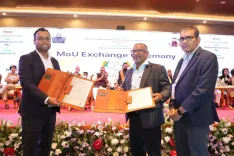
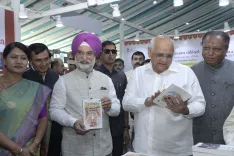
HP CM Sukhu backs traditional culture at ministerial event
Synopsis
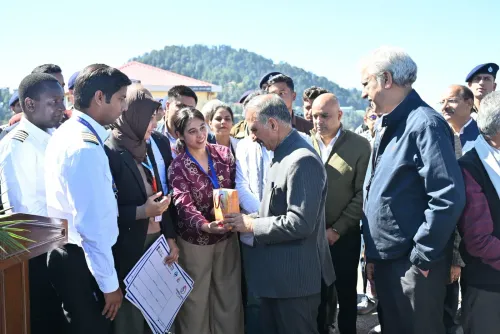
Chief Minister Thakur Sukhvinder Singh Sukhu, at a ministerial gathering on 24 October 2026, called for promoting traditional Himachali culture as a path to strengthening mutual unity and communal harmony, with Health Minister Shandil and Revenue Minister Negi in attendance.
Key Takeaways
CM Sukhvinder Singh Sukhu linked promotion of traditional Himachali culture to strengthening mutual unity and communal harmony at an event on 24 October 2026 .
Health and Family Welfare Minister Dr. (Colonel) Dhani Ram Shandil was present at the occasion.
Revenue Minister Jagat Singh Negi also attended alongside other dignitaries.
The multi-ministerial presence signals the state government's institutional weight behind cultural promotion efforts.
Himachal Pradesh's Congress-led government, in power since December 2022 , has consistently framed Pahari cultural identity as a tool for social cohesion.
A government gathering in Himachal Pradesh became a platform for reaffirming the state's commitment to its Pahari roots — with Chief Minister Thakur Sukhvinder Singh Sukhu underscoring that promoting traditional Himachali culture would also strengthen mutual unity and communal harmony.
The Chief Minister's Office shared Sukhu's remarks on Saturday, 24 October 2026, quoting him as saying the initiative would help 'paaramprik Himachali sanskriti ko protsaahit karne, aapsi ekta aur sadbhaav ko mazboot karne' — 'encourage traditional Himachali culture and reinforce mutual unity and goodwill.' The statement links cultural preservation directly to social cohesion, a framing that has become a recurring thread in the state government's public messaging.
Cabinet presence underlines government's weight behind the occasion
The event drew senior members of the Himachal Pradesh cabinet. Dr. (Colonel) Dhani Ram Shandil, the state's Health and Family Welfare Minister, was present, as was Revenue Minister Jagat Singh Negi, alongside other dignitaries. The multi-ministerial turnout signals that the administration treats cultural promotion as a whole-of-government priority, not a ceremonial side note.
Himachal's Pahari identity as a policy anchor
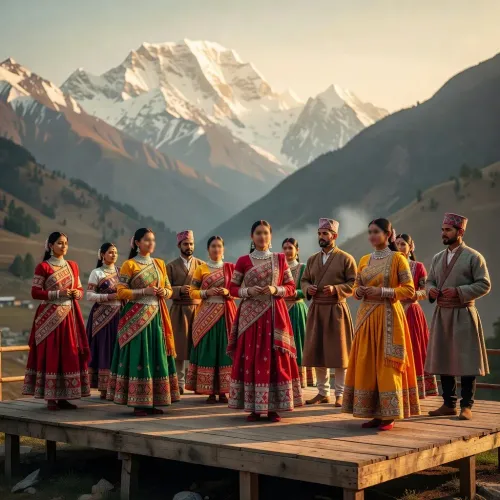
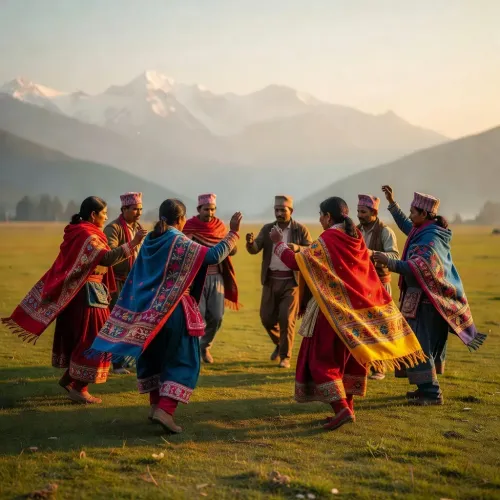
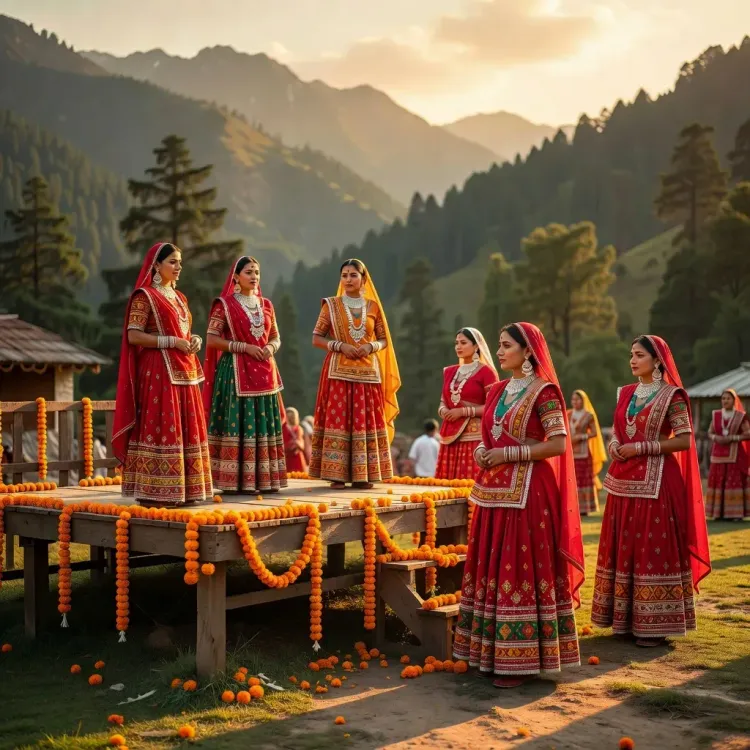
Himachal Pradesh has long positioned its distinct Pahari folk traditions — music, dress, festivals, and dialect — as both a cultural asset and a social adhesive in a state whose communities span high mountain valleys with their own micro-identities. State governments across administrations have organised events, festivals, and recognition drives to keep these traditions visible in public life. The Congress-led government under Sukhu, in power since December 2022, has continued that pattern, layering it with an explicit harmony-and-unity narrative that resonates in a diverse hill state.
The pairing of cultural pride with a call for communal goodwill is deliberate — in Himachal's political vocabulary, Pahari culture serves as a unifying umbrella across castes, sub-regions, and religious communities, making it useful terrain for a government seeking to project inclusive governance.
Point of View
CM Sukhu is deploying a well-worn but effective political frame — one that positions the state government as a guardian of Himachal's distinctive identity rather than just an administrator. With the Congress government navigating fiscal pressures and political competition, cultural ownership offers softer terrain to consolidate goodwill. The multi-ministerial presence at what appears to be a non-crisis occasion also suggests the administration is deliberately building optics of unity within the cabinet. Whether this translates into concrete cultural-policy action — funding, institutional support, district-level programming — will determine if the statement is strategic messaging or a genuine policy signal.
NationPress
24 Oct 2026
Frequently Asked Questions
What did CM Sukhu say about Himachali culture at the October 2026 event?
CM Thakur Sukhvinder Singh Sukhu said that promoting traditional Himachali culture would help strengthen mutual unity and communal goodwill among the state's communities.
Which ministers attended the cultural event with CM Sukhu on 24 October 2026?
Health and Family Welfare Minister Dr. (Colonel) Dhani Ram Shandil and Revenue Minister Jagat Singh Negi were present at the event alongside other dignitaries.
Who is Thakur Sukhvinder Singh Sukhu?
Thakur Sukhvinder Singh Sukhu is the Chief Minister of Himachal Pradesh, heading the Congress-led state government since December 2022.
What is Pahari culture in Himachal Pradesh?
Pahari culture refers to the distinct folk traditions of Himachal Pradesh's mountain communities, including music, festivals, traditional dress, and dialect, which the state government regularly promotes as part of its cultural identity.
Why does the Himachal Pradesh government promote traditional culture?
The state government frames cultural promotion as a way to preserve Himachal's distinct Pahari heritage while also fostering unity and social harmony across the state's diverse communities and regions.