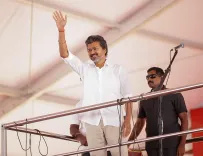
HP CM Sukhu pledges quality healthcare, new doctor generation
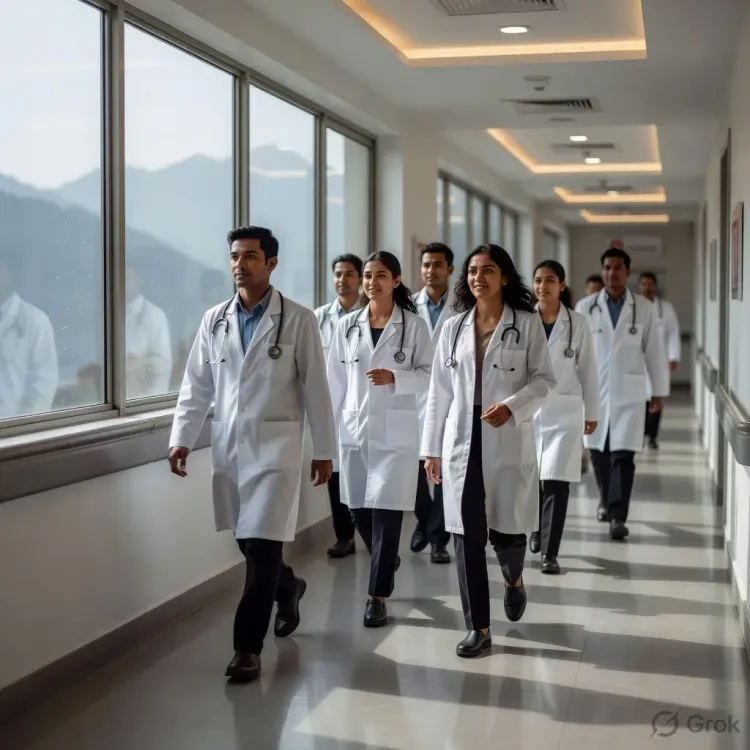
Synopsis
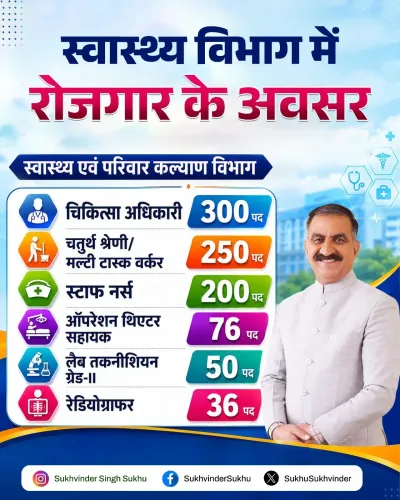
Chief Minister Sukhvinder Singh Sukhu on 17 August 2026 pledged that a state initiative will train capable doctors within Himachal Pradesh and provide quality, accessible healthcare to residents — reinforcing a broader push to retain medical talent inside the hill state.
Key Takeaways
CM Sukhvinder Singh Sukhu on 17 August 2026 committed to training a new generation of doctors within Himachal Pradesh .
The statement emphasises retaining trained medical talent inside the state rather than losing graduates to other regions.
The government pledged 'quality, accessible and trustworthy' health services for all residents of Himachal Pradesh .
CM Sukhu , in office since December 2022 , has consistently prioritised health and medical education in successive budget cycles.
Key indicators to track include National Medical Commission seat notifications and state budget allocations for medical college expansion.
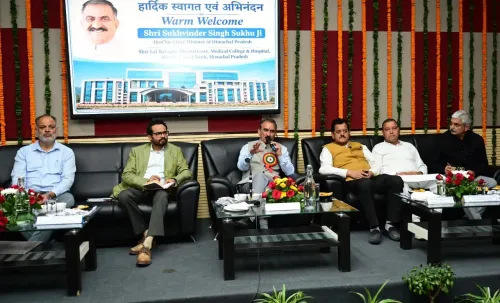
A new generation of capable doctors, trained within Himachal Pradesh and committed to serving its people — that is the promise Chief Minister Sukhvinder Singh Sukhu put on record on Monday, 17 August 2026, as his office amplified a statement underscoring the state government's healthcare ambitions.
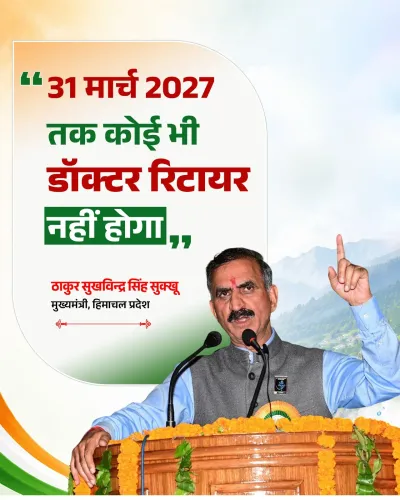
Posting in Hindi, CM Sukhu said the initiative 'will play an important role in preparing a new generation of capable doctors while also providing better opportunities within the state itself.' He added: 'We are committed to making quality, accessible and trustworthy health services available to the people of the state.'
Why retaining doctors inside Himachal Pradesh matters
The phrase 'within the state itself' carries weight. Himachal Pradesh, a mountainous northern state with dispersed, hard-to-reach habitations, has long faced the classic hill-state paradox: students leave for medical colleges in the plains, qualify, and rarely return. The result is a persistent shortage of doctors in rural and semi-urban pockets despite the state's relatively high literacy and public spending.
Across India, states have responded to this pattern by expanding government medical college seats and building new institutions, nudging the doctor-population ratio upward and reducing out-migration of trained talent. Himachal Pradesh has followed this arc through successive budget cycles, with health and medical education featuring as recurring priorities.
Sukhu's healthcare push since December 2022
CM Sukhu, who took office in December 2022 leading a Congress government, has consistently framed healthcare access as a core deliverable. His administration has tied medical education expansion to the broader goal of rural health infrastructure — the logic being that doctors trained in state institutions are more likely to serve in state postings. The statement on 17 August reinforces that framing, even as the specific institution or project referenced remains to be detailed publicly.
What to watch: seat increases notified by the National Medical Commission, state budget allocations for new or upgraded medical colleges, and the timelines attached to any associated hospital infrastructure. Those numbers will tell the real story of whether the commitment translates into capacity.
Point of View
Particularly potent in a hill state where out-migration of skilled professionals is a live concern. For a Congress government seeking to differentiate itself ahead of future electoral cycles, visible investment in healthcare infrastructure offers tangible proof of governance. The reference to 'better opportunities within the state itself' is also a soft pitch to the aspirational middle class — parents who send children to medical colleges elsewhere and rarely see them return. Whether the commitment is backed by specific seat additions or institutional announcements will determine how much political capital it actually generates.
NationPress
1 Oct 2026
Frequently Asked Questions
What did CM Sukhu say about healthcare in Himachal Pradesh on 17 August 2026?
CM Sukhvinder Singh Sukhu said the government's initiative will train a new generation of capable doctors within the state and pledged to provide quality, accessible and trustworthy health services to all residents of Himachal Pradesh.
Why is retaining doctors in Himachal Pradesh a challenge?
Himachal Pradesh's mountainous terrain and dispersed population make rural postings difficult to fill. Medical students typically travel to plains-based colleges and rarely return, leaving persistent shortages in remote areas.
What is Himachal Pradesh doing to expand medical education?
The state government has made health and medical education a recurring budget priority since CM Sukhu took office in December 2022, aligning with a broader national trend of states increasing government medical college seats to raise the doctor-population ratio.
Who is Sukhvinder Singh Sukhu?
Sukhvinder Singh Sukhu is the Chief Minister of Himachal Pradesh, in office since December 2022, representing the Congress party. He has placed healthcare access and medical education expansion among his administration's stated priorities.
What should I watch to track Himachal Pradesh's medical education progress?
Key indicators include seat increases notified by the National Medical Commission for Himachal Pradesh institutions, state budget allocations for new or upgraded medical colleges, and announced timelines for associated hospital infrastructure.