HP CMO: Fresh Cherries, Plums Exported to Oman for First Time
Synopsis
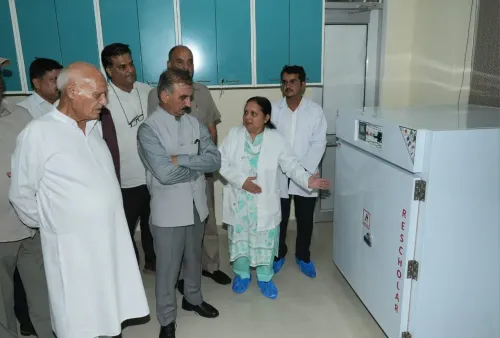
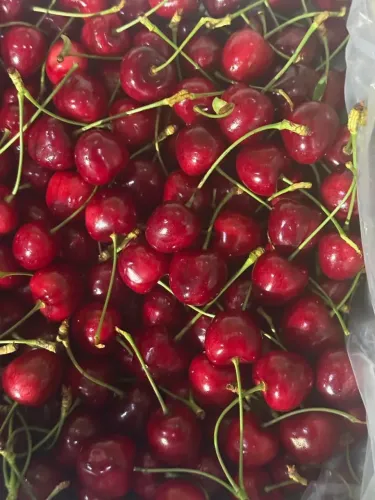
Himachal Pradesh has exported fresh cherries and plums to Oman for the first time, the state's Chief Minister's Office announced on 2 July 2026, hailing the milestone as proof of the quality and dedication of the state's orchardists.
Key Takeaways
The Chief Minister's Office of Himachal Pradesh announced on 2 July 2026 that fresh cherries and plums from the state have reached Oman for the first time.
The export marks Himachal Pradesh's debut in the Gulf Cooperation Council (GCC) fresh-fruit market.
The milestone builds on central schemes including the Mission for Integrated Development of Horticulture and India's Agricultural Export Policy 2018 , which targeted GCC nations for temperate-fruit exports.
APEDA certifies and facilitates such fresh-fruit export consignments under India's agricultural export framework.
Orchardists across Himachal districts stand to benefit from Gulf market premiums that typically exceed domestic wholesale prices.
Follow-up consignments and phytosanitary compliance will determine whether this becomes a sustained trade corridor.
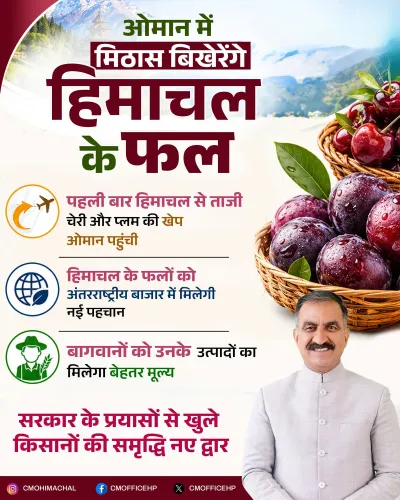
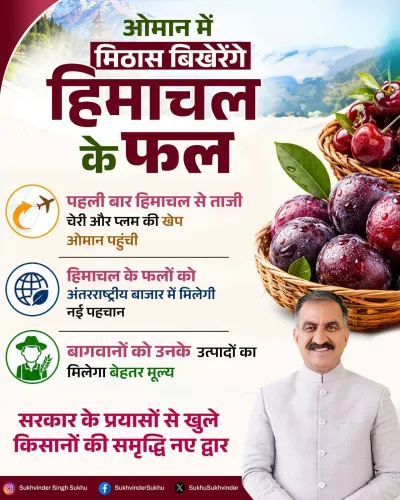
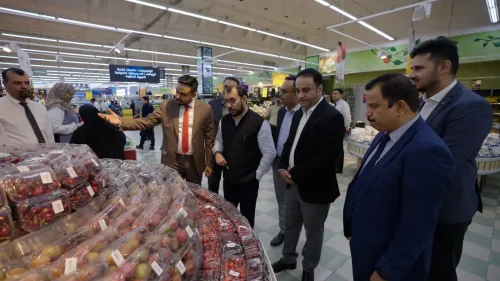
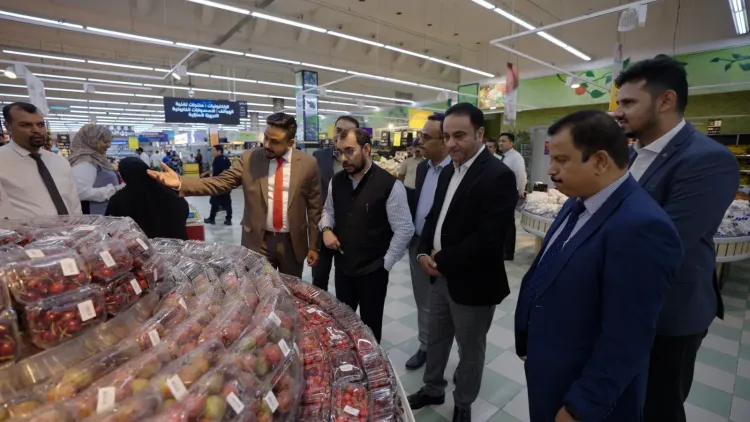
The Chief Minister's Office of Himachal Pradesh announced on Thursday, 2 July 2026 that the state has achieved a landmark milestone: fresh cherries and plums from Himachal Pradesh have reached Oman for the first time, marking the state's debut in Gulf fruit exports.
The post, shared on the official CMO account, declared: 'Himachal Pradesh ke liye yah garv ka kshan hai' ('This is a moment of pride for Himachal Pradesh'), adding that the achievement is 'proof of the hard work, dedication of our horticulturists and the excellent quality of Himachal's fruits.'
Context
Himachal Pradesh is one of India's foremost producers of temperate fruits, with its high-altitude orchards yielding apples, cherries, and plums that are prized for their flavour and shelf quality. Until now, the state's fruit exports were largely confined to domestic markets and select traditional destinations. The first-ever consignment of fresh cherries and plums reaching Oman signals a deliberate push into the Gulf Cooperation Council (GCC) market.
Oman is a growing importer of fresh produce within the GCC and has been deepening trade ties with Indian agricultural suppliers. The Gulf region's demand for premium, phytosanitary-compliant fresh fruit has been rising steadily, making it an attractive destination for Indian hill-state exporters.
Policy Backdrop
The milestone sits within a broader policy architecture designed to boost Indian fruit exports. The National Horticulture Mission (2005) and its successor, the Mission for Integrated Development of Horticulture, have channelled central funds into improved fruit varieties, pack-houses, and cold-chain infrastructure across Himachal Pradesh. These investments have gradually raised the state's capacity to meet stringent international phytosanitary standards.
India's Agricultural Export Policy 2018 specifically identified temperate fruits as a priority export category and earmarked GCC nations as key diversification destinations. The central export-promotion agency APEDA (Agricultural and Processed Food Products Export Development Authority) plays a critical role in certifying fresh fruit consignments and facilitating market-access protocols for such shipments.
Stakeholders and Impact
The most immediate beneficiaries are Himachal Pradesh's orchardists — thousands of small and medium fruit growers in districts such as Shimla, Kinnaur, Kullu, and Lahaul-Spiti who cultivate cherries and plums alongside the dominant apple crop. Access to Gulf markets, which typically command higher price premiums than domestic wholesale mandis, could meaningfully improve farm-gate returns for these growers.
Fruit exporters and cold-chain logistics operators in the state also stand to gain, as sustained Gulf demand would justify further investment in post-harvest handling and refrigerated transport corridors. The development is part of a wider pattern of Indian hill states diversifying beyond apple-centric production toward higher-value stone fruits while courting international buyers.
What's Next
Attention will now turn to whether this inaugural consignment translates into a regular trade corridor. Key variables include Oman's phytosanitary acceptance protocols, the reliability of cold-chain logistics from Himachal's orchards to Gulf ports, and the participation of Himachal exporters in forthcoming India-GCC trade events. If follow-up consignments are secured, the state could position itself as a consistent supplier of premium stone fruits to the Gulf — reducing its dependence on saturated domestic markets and broadening income streams for its farming communities.
Point of View
The announcement also carries political value — framing a trade achievement as a validation of farmers' labour ahead of what remains a competitive rural constituency. The real test will be whether this inaugural shipment seeds a reliable, volume-driven corridor or remains a one-off symbolic milestone.
NationPress
1 Oct 2026
Frequently Asked Questions
Which fruits from Himachal Pradesh were exported to Oman for the first time?
Fresh cherries and plums from Himachal Pradesh were exported to Oman for the first time, as announced by the state's Chief Minister's Office on 2 July 2026.
Why is Oman an important market for Indian fruit exports?
Oman is a growing importer of fresh produce within the GCC and has deepening trade ties with Indian agricultural suppliers; Gulf markets generally offer higher price premiums than domestic Indian markets.
What government schemes support Himachal Pradesh fruit exports?
The Mission for Integrated Development of Horticulture funds improved varieties and cold-chain infrastructure in the state, while India's Agricultural Export Policy 2018 targets GCC countries for temperate-fruit exports. APEDA provides certification and market-access support.
How does this export benefit Himachal Pradesh farmers?
Gulf markets typically command higher prices than domestic wholesale mandis, so sustained export demand could improve farm-gate returns for orchardists growing cherries and plums in districts such as Shimla, Kinnaur, and Kullu.
What needs to happen for this to become a regular export route?
Consistent follow-up consignments, compliance with Oman's phytosanitary protocols, and reliable cold-chain logistics from Himachal's orchards to Gulf ports are the key requirements for establishing a sustained trade corridor.