India's core infrastructure index rises 1.7% in April, cement leads at 9.5%

Synopsis
India's eight core industries grew just 1.7% in April, but the headline masks a sharp split: cement surged 9.5% and steel 6.2% on government infrastructure spending, while coal tumbled 8.7% and fertilisers fell 8.6% — the latter tied to Middle East supply disruptions that could threaten kharif season inputs.
Key Takeaways
India's Index of Eight Core Industries grew 1.7 per cent year-on-year in April 2025 , up from a revised 1.2 per cent in March.
Cement led all sectors with 9.5 per cent growth; steel rose 6.2 per cent , both driven by government infrastructure spending.
Electricity generation increased 4.1 per cent year-on-year in April.
Coal production fell 8.7 per cent and fertiliser output dropped 8.6 per cent — the latter due to raw material disruptions linked to the Middle East conflict .
The eight core industries account for 40.27 per cent of the weight in the Index of Industrial Production (IIP) .
Cumulative growth for 2025-26 (April–March) stands at 2.7 per cent .
India's Index of Eight Core Industries (ICI) expanded by 1.7 per cent in April 2025 on a year-on-year basis, driven by robust gains in cement, steel, and electricity, according to data released by the Commerce and Industry Ministry on Wednesday, 20 May. The reading follows a revised final growth rate of 1.2 per cent for March, and brings the cumulative growth for the full 2025-26 fiscal year (April–March) to 2.7 per cent against the corresponding period of the previous year.
Key Performers: Cement, Steel, and Electricity
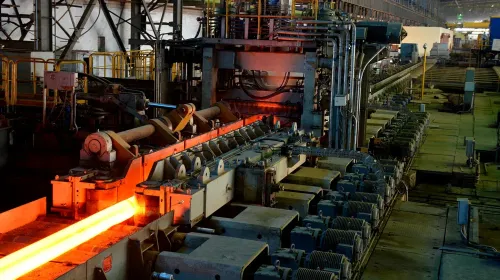
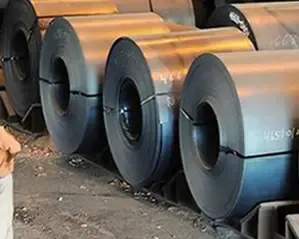
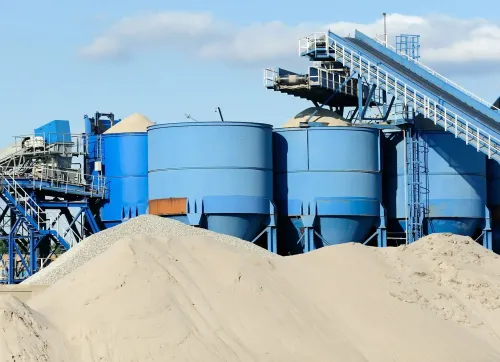
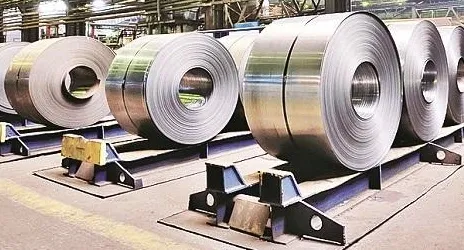
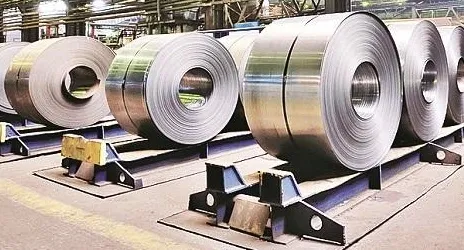
The cement sector posted the strongest gain, clocking 9.5 per cent growth in April — a reflection of sustained demand driven by large-scale government spending on infrastructure such as highways, ports, and railways. Steel production rose 6.2 per cent year-on-year, also benefiting from the same infrastructure pipeline. Electricity generation increased by 4.1 per cent, supported by rising seasonal demand heading into summer.
Sectors That Dragged: Coal, Oil, Gas, and Fertilisers
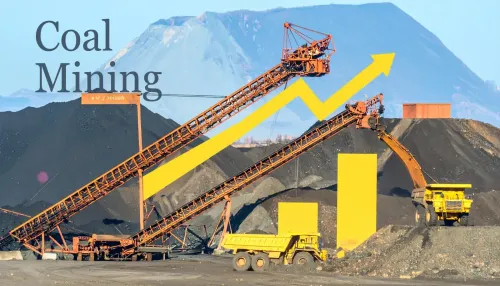
Coal production recorded the steepest decline among the eight sectors, falling 8.7 per cent in April compared to the same month last year. Crude oil output dropped 3.9 per cent, while natural gas production fell 4.3 per cent. Refinery products output edged down 0.5 per cent. Fertiliser production declined sharply by 8.6 per cent, reportedly due to disruptions in raw material supply linked to the ongoing Middle East conflict.
Why the Core Index Matters
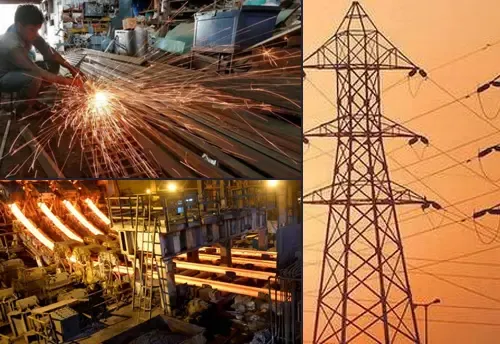
The ICI tracks the combined and individual output of eight industries — Coal, Crude Oil, Natural Gas, Refinery Products, Fertilisers, Steel, Cement, and Electricity — which together account for 40.27 per cent of the weight of items in the Index of Industrial Production (IIP). As a result, movements in the core index serve as an early and reliable barometer of broader industrial activity across the economy.
Context and What to Watch
The 1.7 per cent April reading, while an improvement over March's 1.2 per cent, remains modest. This comes amid a mixed demand environment: government-led infrastructure capex continues to prop up construction-linked sectors, but energy and hydrocarbon output is under visible pressure. Notably, fertiliser supply disruptions add a layer of concern for the upcoming kharif sowing season, which depends heavily on adequate fertiliser availability. The next ICI release, covering May data, will be closely watched to determine whether the construction-sector momentum can offset continued weakness in energy and agri-inputs.
Point of View
Simultaneous declines in coal, crude oil, natural gas, and fertilisers point to structural supply-side stress that no amount of highway construction can paper over. The fertiliser drop is the most consequential near-term risk: with kharif sowing approaching, an 8.6 per cent output fall tied to Middle East raw-material disruptions deserves more policy attention than a single data-release footnote.
NationPress
19 Sept 2026
Frequently Asked Questions
What is the Index of Eight Core Industries and why does it matter?
The Index of Eight Core Industries (ICI) measures the combined output of Coal, Crude Oil, Natural Gas, Refinery Products, Fertilisers, Steel, Cement, and Electricity. It matters because these eight sectors account for 40.27 per cent of the weight in India's Index of Industrial Production (IIP), making it a reliable leading indicator of overall industrial growth.
Which sectors drove growth in April 2025?
Cement was the top performer with 9.5 per cent growth, followed by steel at 6.2 per cent and electricity at 4.1 per cent. Demand for cement and steel was supported by continued government investment in highways, ports, and railway infrastructure.
Which sectors declined in April 2025?
Coal production fell the most at 8.7 per cent, followed by fertilisers at 8.6 per cent, natural gas at 4.3 per cent, crude oil at 3.9 per cent, and refinery products at 0.5 per cent. Fertiliser output was reportedly hit by raw material supply disruptions linked to the Middle East conflict.
What is the cumulative core industries growth rate for 2025-26?
The cumulative growth rate of the Index of Eight Core Industries for the full fiscal year April 2025 to March 2026 stands at 2.7 per cent, compared to the corresponding period of the previous year.
Why is the fertiliser production decline significant?
Fertiliser production dropped 8.6 per cent in April 2025, reportedly due to disruptions in raw material supply caused by the Middle East conflict. This is significant because the kharif sowing season is approaching and adequate fertiliser availability is critical for agricultural output.