India-EU FTA beyond tariffs, a stable framework: Portugal's economy chief
Synopsis
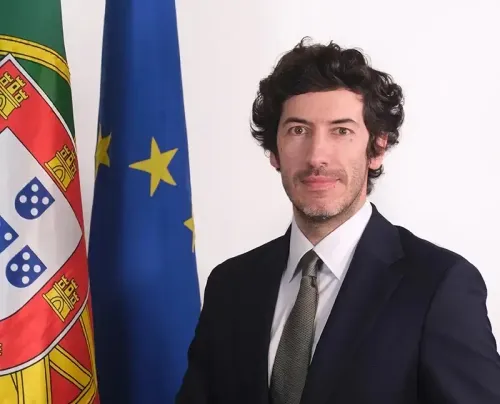
Portugal's Secretary of State for Economy Joao Rui Ferreira has put a 2027 target on the India-EU FTA and reframed the deal as a regulatory stability pact, not just a tariff negotiation — a subtle but significant shift in how European officials are now selling the agreement to Indian stakeholders.
Key Takeaways
Portugal's Secretary of State for Economy Joao Rui Ferreira said the India-EU FTA will create a stable and predictable regulatory framework, beyond just tariff cuts.
Ferreira expressed confidence the deal will be concluded by 2027 , noting Portugal has backed it "since day one".
He described India as the world's fourth-largest economy with ambitions to become the third-largest , calling it a major global player.
Portugal's Trade and Investment Agency has reopened its office at the Portuguese Embassy in New Delhi to support Indian investors.
Ferreira is scheduled to meet Minister of State for Commerce Jitin Prasada to discuss the FTA and India-Portugal economic relations.
Portugal's Secretary of State for Economy, Joao Rui Ferreira, said on Monday, 11 May that the India-EU Free Trade Agreement (FTA) will mark the beginning of a new phase in relations between India and the European Union, creating a stable and predictable regulatory framework that goes well beyond tariff reduction. Ferreira made the remarks during a visit to New Delhi, where he is scheduled to meet Minister of State for Commerce and Industry Jitin Prasada for institutional discussions on the FTA and bilateral economic ties.
What the FTA Means Beyond Tariffs
Ferreira underscored that the agreement's value lies not merely in lower duties but in the consistency and long-term predictability it would offer businesses on both sides. "It will create a completely new environment where companies can operate under much more solid conditions on both sides," he said, acknowledging that some adjustments may be needed over time but stressing the structural shift the pact would deliver.
Portugal, he noted, has backed the agreement from the outset. "Portugal has supported this agreement since day one. We are confident that it will happen soon, hopefully, by 2027," Ferreira stated. This comes amid broader EU-India trade talks that have seen renewed momentum following years of stalled negotiations.
India's Economic Rise and Strategic Importance
Ferreira described India as the world's fourth-largest economy, with the stated ambition of becoming the third-largest — a trajectory he said positions India as a major global player with influence across multiple domains. "Prime Minister Narendra Modi is leading the country during this important period of transformation, and the ambition is clearly visible," he remarked.
He also praised India's Vision 2047 and its infrastructure development and reindustrialisation plans as "very positive initiatives," saying they would improve the quality of life for Indian citizens and strengthen Indian society overall. Notably, such explicit endorsements from European trade officials have grown more frequent as India's economic weight increases on the global stage.
Portugal's AI and Digital Economy Push
On the question of Portugal's positioning in artificial intelligence and the digital economy, Ferreira highlighted the country's strengths in STEM education, engineering, and technological talent. "We are now transforming this talent into real economic opportunities," he said, pointing to Portugal's extensive submarine cable network connectivity and competitive energy infrastructure as key enablers.
He added that Portugal has a strong national plan for data centres, given that AI is becoming a critical driver of industrial development and value creation in the 21st century. "AI is also becoming an important matter of strategic sovereignty in the global economy. Fortunately, Portugal has the talent, infrastructure, and national policies required to move quickly in this area," he observed.
Portugal as a Gateway for Indian Investors
Ferreira extended a direct invitation to Indian entrepreneurs and investors, describing Portugal as "an open and business-friendly country — a simple and accessible place to invest and grow." He positioned Portugal as a gateway to both Europe and Portuguese-speaking countries worldwide.
He also highlighted that Portugal's Trade and Investment Agency has recently reopened its office at the Portuguese Embassy in New Delhi, with the ambassador and embassy team pledging full support to businesses seeking opportunities in Portugal. The reopening signals a deliberate effort to deepen commercial engagement with India at an institutional level.
What Comes Next
Ferreira's meeting with Minister Jitin Prasada is expected to cover the FTA timeline, bilateral trade expansion, and investment facilitation. With the 2027 target date now publicly reiterated by a senior Portuguese official, pressure on both the EU and Indian negotiating teams to close outstanding differences — particularly on areas such as data localisation, government procurement, and services — is likely to intensify in the months ahead.
Point of View
Data governance demands, and the carbon border adjustment mechanism. Ferreira's framing sidesteps these fault lines. The 2027 target is politically useful but technically ambitious given how far apart the two sides remain on services liberalisation and government procurement. Portugal's vocal support matters at the margins — Lisbon has historically been a bridge-builder between Brussels and Lusophone and South Asian economies — but the heavy lifting will happen in Geneva and Brussels negotiating rooms, not in New Delhi embassy meetings.
NationPress
12 May 2026
Frequently Asked Questions
What is the India-EU Free Trade Agreement and when is it expected to be concluded?
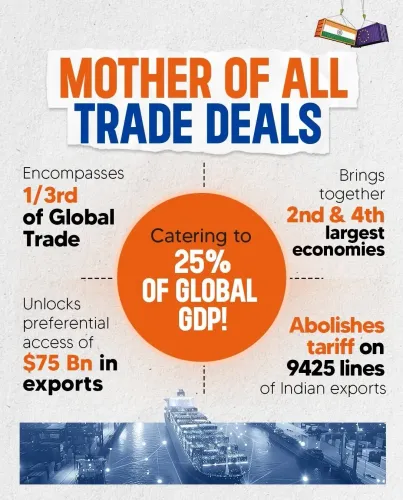
The India-EU Free Trade Agreement is a comprehensive trade pact under negotiation between India and the European Union, covering tariffs, services, investment, and regulatory frameworks. Portugal's Secretary of State for Economy Joao Rui Ferreira has said he is confident it will be concluded by 2027.
Why does Portugal say the India-EU FTA is about more than tariffs?
Ferreira argued the FTA's deeper value lies in creating a stable, consistent, and predictable regulatory environment for businesses on both sides, not just in reducing import duties. He said the agreement will allow companies to operate under much more solid conditions over the long term.
What is Portugal's role in the India-EU trade relationship?
Portugal has supported the India-EU FTA since negotiations began and positions itself as a gateway for Indian businesses seeking access to Europe and Portuguese-speaking markets. Portugal's Trade and Investment Agency recently reopened its New Delhi office to facilitate Indian investment.
How does India's economic status factor into the FTA discussions?
Ferreira described India as the world's fourth-largest economy with ambitions to become the third-largest, calling it a major global player. This growing economic weight has increased the strategic importance of concluding the FTA for both sides.
What will Portugal's economy secretary discuss with Indian ministers during this visit?
Ferreira is scheduled to meet Minister of State for Commerce and Industry Jitin Prasada to discuss the India-EU FTA timeline, bilateral trade expansion, and economic relations between India and Portugal.