CM Bhajan Lal Hails India's Para-Athletes at Asian Para Games 2026
Synopsis
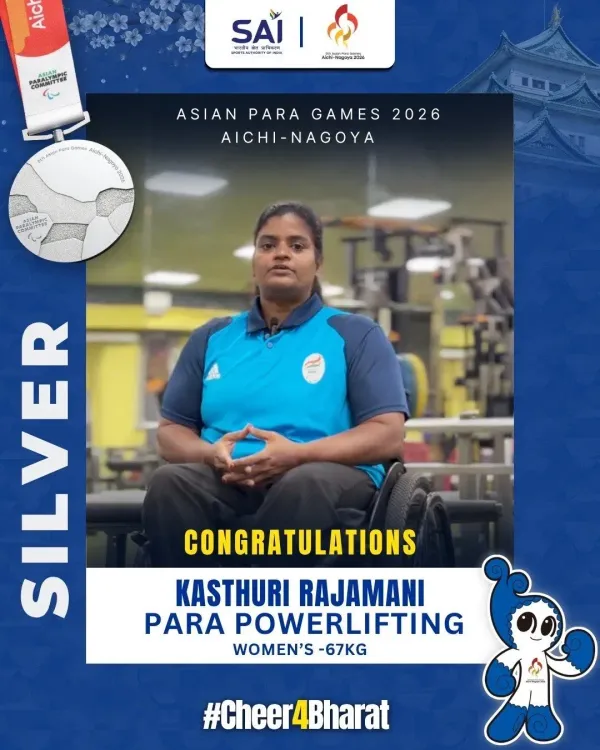
Rajasthan CM Bhajan Lal Sharma celebrated five Indian para-athletes at the Asian Para Games 2026: Kasturi Rajmani's historic first silver in women's 67 kg weightlifting, Ayush Verma's debut gold in F53 shot put, two more silvers from Manjit and Bhagyashree Jadhav, and a bronze by Anubhav Chaudhary.
Key Takeaways
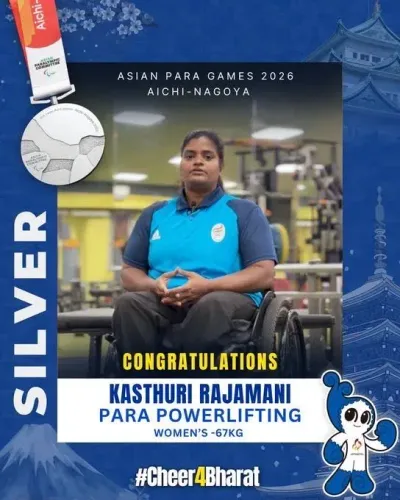
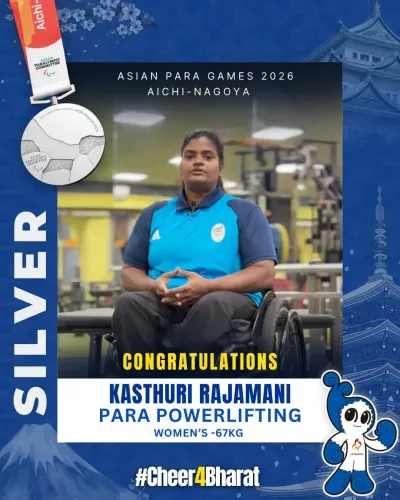
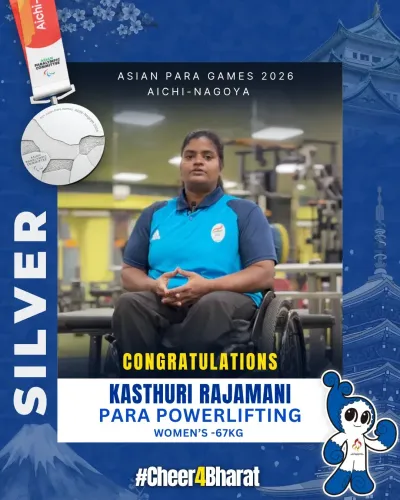
Kasturi Rajmani won silver in women's 67 kg para-weightlifting — India's first-ever medal in that category at the Asian Para Games.
Ayush Verma claimed gold in men's F53 shot put on his debut at the Games.
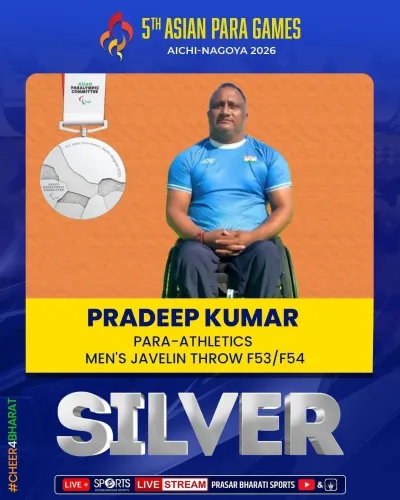
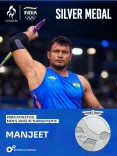
Manjit secured silver in javelin throw with a best-of-competition performance.
Bhagyashree Jadhav won silver in women's shot put with a personal best throw.
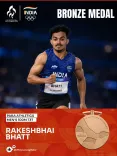
Anubhav Chaudhary took bronze in men's 100 metres , also clocking a personal best time.
Rajasthan CM Bhajan Lal Sharma named all five athletes individually and called the collective performance 'historic' and an inspiration for India's youth.
Five medals. One debut gold. One historic first. India's para-athletes delivered a haul at the Asian Para Games 2026 that stopped the scrolling — and Rajasthan Chief Minister Bhajan Lal Sharma was among the first to put the scale of it into words on Wednesday, 21 October 2026.
Kasturi Rajmani's historic silver in the 67 kg weightlifting ring
The standout milestone belongs to Kasturi Rajmani, who claimed silver in the women's 67 kg para-weightlifting category — a result CM Sharma described as India's first-ever medal in that division. That framing matters: it is not just a personal triumph but a category breakthrough, the kind of result that rewrites the record books and opens a lane for every lifter who follows. Sharma noted she achieved it with her 'best lift', underlining that the performance was a peak, not a fluke.
Ayush Verma's debut gold and Manjit's javelin silver
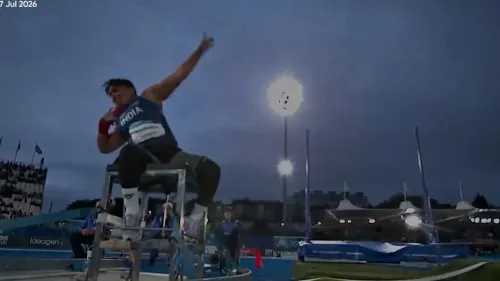
Ayush Verma added the headline number — gold — winning the men's F53 shot put on his very first appearance at the Games. Debut performances at a continental para-championship carry a particular weight: there is no accumulated experience of this stage to fall back on, only nerve and preparation. He had both. Manjit complemented that with silver in the javelin throw, also posting a best-of-competition effort according to Sharma's post.
Bhagyashree Jadhav and Anubhav Chaudhary round out a five-medal day
Bhagyashree Jadhav secured India's third silver of the update, reaching a personal best in the women's shot put — the kind of mark that signals an athlete hitting their ceiling at exactly the right moment. Anubhav Chaudhary closed the tally with bronze in the men's 100 metres, also clocking a personal best time. Two personal bests in a single medal round-up is a data point worth noting: these are not athletes coasting on continental advantage, but ones actively moving their own limits.
Why a Chief Minister's congratulations lands differently for para-sports
India has gradually built momentum in para-athletics through expanded national training camps and athlete identification programmes, but visibility — the signal that the establishment is watching — has historically lagged behind. When a serving Chief Minister names five athletes individually and frames one result as 'historic for the nation', it sends a message about institutional attention that goes beyond social-media courtesy. Sharma called the performances 'a limitless source of inspiration for crores of young Indians', a phrase that plants the athletes squarely inside the mainstream motivational narrative rather than a parallel, lesser-celebrated lane. That shift in framing, repeated across enough platforms, is how a sporting culture changes.
Point of View
The next Paralympic cycle could see the returns in medal counts.
NationPress
21 Oct 2026
Frequently Asked Questions
Who is Kasturi Rajmani and what did she win at the Asian Para Games 2026?
Kasturi Rajmani is an Indian para-athlete who won the silver medal in the women's 67 kg weightlifting category at the Asian Para Games 2026, becoming the first Indian to win a medal in that specific category.
What did Ayush Verma win at the Asian Para Games 2026?
Ayush Verma won the gold medal in the men's F53 shot put event at the Asian Para Games 2026, notably achieving this on his debut appearance at the Games.
How many medals did India win in the CM Bhajan Lal Sharma's congratulatory post?
CM Bhajan Lal Sharma's post referenced five medals: one gold (Ayush Verma, F53 shot put), three silvers (Kasturi Rajmani in weightlifting, Manjit in javelin, Bhagyashree Jadhav in shot put), and one bronze (Anubhav Chaudhary, 100 metres).
Where is the Asian Para Games 2026 being held?
The specific host city of the Asian Para Games 2026 was not mentioned in the post. The event is a multi-sport continental Games for para-athletes held under the auspices of the Asian Paralympic Committee.
Why did CM Bhajan Lal Sharma post about the Asian Para Games 2026?
As Rajasthan Chief Minister and a senior BJP leader, Bhajan Lal Sharma posted to congratulate Indian para-athletes on their medal-winning performances, calling their achievements an inspiration for India's youth and underlining the historic nature of Kasturi Rajmani's silver.