Telangana minister slams Centre over ₹993 commercial LPG hike, demands rollback

Synopsis
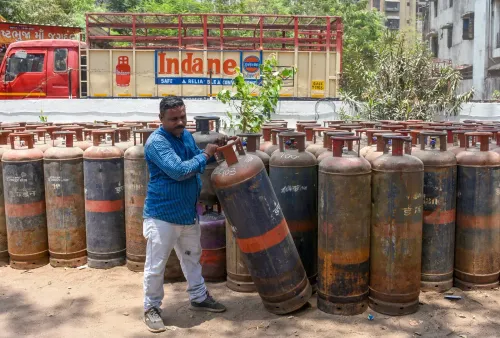
A single ₹993 hike has pushed 19-kg commercial LPG cylinders past ₹3,000 in most cities — a 30–35% jump in one revision. Telangana's Civil Supplies Minister is calling it deliberate post-poll timing by the BJP-led Centre, and warning that street food prices are next to climb.
Key Takeaways
Telangana Civil Supplies Minister N.
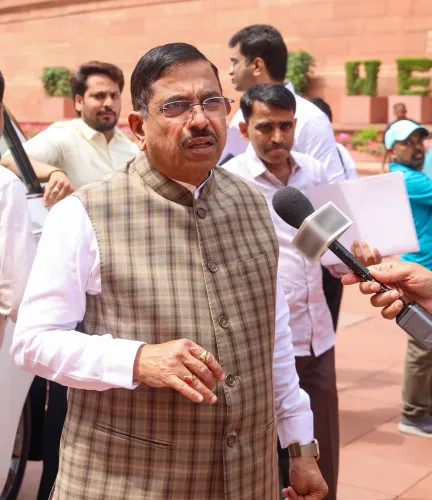
Uttam Kumar Reddy demanded an immediate rollback of the ₹993 commercial LPG price hike on 1 May .
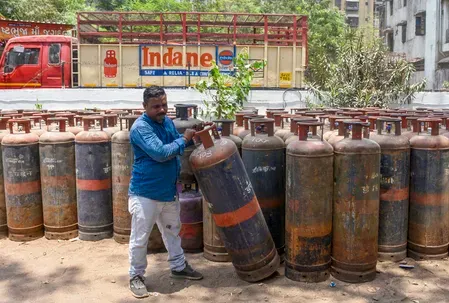
The 19-kg commercial LPG cylinder now costs over ₹3,000 in most metros, up from around ₹2,000 — a rise of 30–35% .
In Delhi , the revised price stands at ₹3,071.50 .
Oil marketing companies attributed the hike to rising global energy prices linked to West Asia tensions; it is the third consecutive monthly increase .
The minister accused the BJP -led Centre of timing the hike within 24 hours of West Bengal polling concluding.
Hotels, restaurants, street vendors, and small businesses — the primary users of commercial cylinders — are expected to pass costs on to consumers.
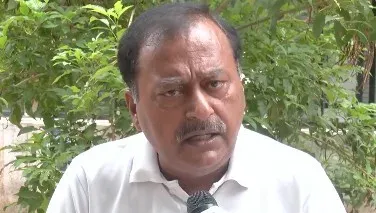
Telangana's Civil Supplies Minister N. Uttam Kumar Reddy on Friday, 1 May sharply criticised the Centre for raising the price of 19-kg commercial LPG cylinders by ₹993, calling it "very unfortunate" and demanding an immediate rollback. The hike, effective from 1 May, has pushed commercial cylinder prices to over ₹3,000 in most metropolitan cities — up from around ₹2,000 earlier.
The Price Hike and Its Scale
In Delhi, the revised price of a 19-kg commercial LPG cylinder now stands at ₹3,071.50, marking a rise of nearly 30–35 per cent in a single revision. Oil marketing companies have attributed the increase to rising global energy prices linked to ongoing West Asia tensions. This is reportedly the third consecutive monthly increase in commercial LPG prices.
The revision is significant in scale — a jump of ₹993 in one go is among the steepest single-revision hikes for commercial cylinders in recent memory, compounding the financial strain on businesses already navigating post-pandemic cost pressures.
What the Telangana Minister Said
Uttam Kumar Reddy accused the Bharatiya Janata Party (BJP)-led Central government of deliberately timing the hike to follow the conclusion of polling. "We have been telling right through that the BJP government is cheating the people of India. They were waiting for the polling to be over to raise the prices, and within 24 hours of West Bengal polling being over, they have raised the prices of commercial LPG by about 30–35 per cent by ₹993," he stated.
The minister warned of an immediate cascading effect on food prices. "This will immediately have a cascading effect, and the cost of food prices on the street will go up and will affect the common man in a very big way," he said.
Who Bears the Burden
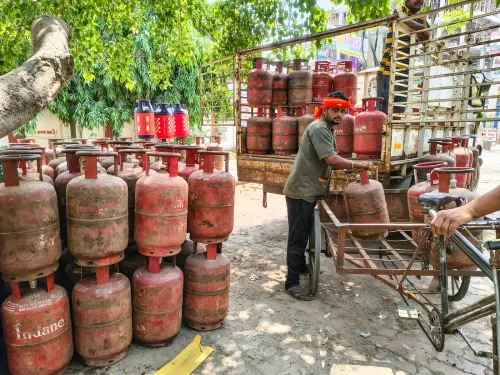
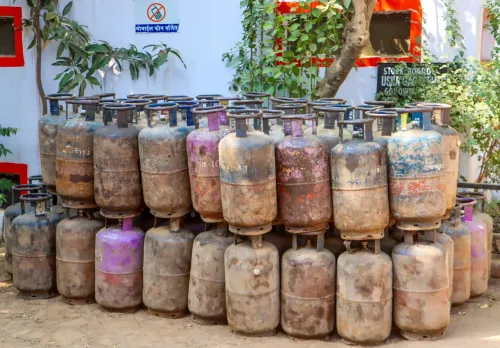
Commercial LPG cylinders are the primary fuel source for hotels, cafes, restaurants, street vendors, and small businesses across urban and semi-urban India. A sharp rise in input costs at this level is widely expected to translate into higher food prices for consumers, particularly those dependent on roadside eateries and small dhabas.
Uttam Kumar Reddy noted that the burden would ultimately fall on the common man, as vendors and small traders pass on increased costs. He said the Congress had consistently cautioned against such price decisions and reiterated the demand for an immediate rollback to protect small traders from inflationary pressure.
Political Context
The timing of the hike — announced within 24 hours of the conclusion of West Bengal polling — has drawn sharp political criticism. Opposition leaders argue that price-sensitive decisions are routinely deferred until after electoral cycles, a charge the Centre has not publicly addressed. This is not the first time such allegations have been made; similar criticism followed fuel price revisions after state elections in 2022 and 2023.
With the hike now in effect, all eyes are on whether oil marketing companies will moderate prices in coming weeks if global energy costs ease — or whether consumers and small businesses will absorb yet another round of sustained cost increases.
Point of View
The optics hand the opposition a ready-made narrative. More substantively, three consecutive monthly increases in commercial LPG signal that global energy cost pass-throughs are accelerating, with small businesses and street vendors — among India's most economically vulnerable operators — absorbing the shock first. The Centre has not publicly outlined any relief mechanism, which means the cascading food price effect the minister warns of is not alarmist; it is arithmetic.
NationPress
25 Sept 2026
Frequently Asked Questions
By how much has the commercial LPG cylinder price increased from 1 May 2025?
The price of a 19-kg commercial LPG cylinder has been raised by ₹993, pushing costs to over ₹3,000 in most metropolitan cities — up from around ₹2,000 earlier. In Delhi, the revised price stands at ₹3,071.50.
Why has the commercial LPG price been hiked?
Oil marketing companies have attributed the hike to rising global energy prices linked to ongoing West Asia tensions. This is reportedly the third consecutive monthly increase in commercial LPG prices.
Who is most affected by the commercial LPG price hike?
Hotels, restaurants, cafes, street vendors, and small businesses that rely on 19-kg commercial LPG cylinders are most directly affected. The increased input costs are expected to cascade into higher food prices for consumers.
What did Telangana minister N. Uttam Kumar Reddy demand?
Uttam Kumar Reddy demanded an immediate rollback of the ₹993 hike, calling it 'very unfortunate' and warning it would burden the common man through rising street food and restaurant prices.
Why is the timing of the hike politically controversial?
The hike was announced within 24 hours of West Bengal polling concluding, prompting opposition leaders — including Uttam Kumar Reddy — to allege that the BJP-led Centre deliberately delayed the price revision until after the electoral cycle ended.