India's first barrier-less toll plaza live at Surat-Bharuch NH-48

Synopsis
India's first Multi-Lane Free Flow barrier-less toll plaza went live at Surat's Choryasi on NH-48 — vehicles now pass at full highway speed, no stopping, no queues. With plans to roll out MLFF across 1,000-plus toll plazas nationwide, this pilot could redefine how 140 crore Indians experience road travel.
Key Takeaways
India's first MLFF barrier-less toll system launched on 1 May 2025 at Choryasi toll plaza , NH-48 , Gujarat.
System uses ANPR cameras , RFID sensors , and FASTag to deduct tolls without vehicles stopping.
Vehicles without valid FASTags are identified via number plate recognition and issued payment notices.
The Centre plans to expand MLFF technology to more than 1,000 toll plazas nationwide.
Expected benefits include reduced travel time, improved fuel efficiency, lower vehicular emissions, and faster logistics movement.
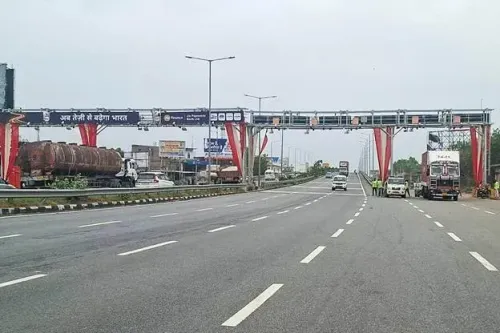
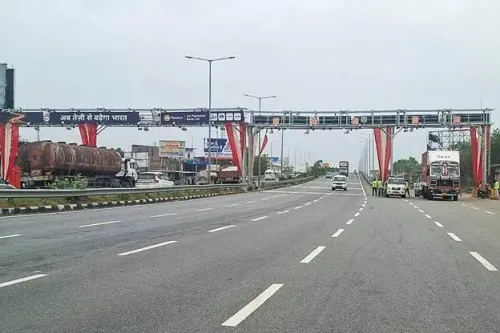
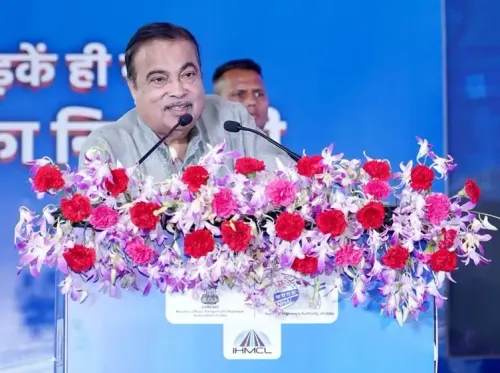
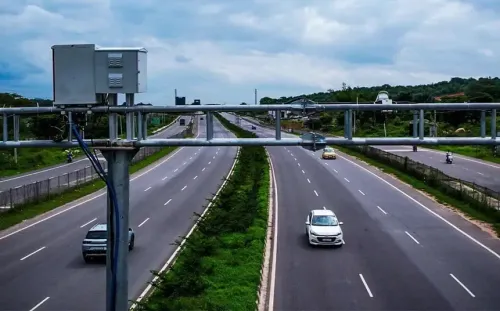
India launched its first Multi-Lane Free Flow (MLFF) barrier-less tolling system on 1 May 2025 at the Choryasi toll plaza on the Surat-Bharuch section of National Highway-48 in Gujarat, allowing vehicles to pass at normal highway speeds without stopping. Union Highways Minister Nitin Gadkari announced the rollout, describing it as a landmark shift towards fully automated toll collection on India's national highway network.
How the System Works
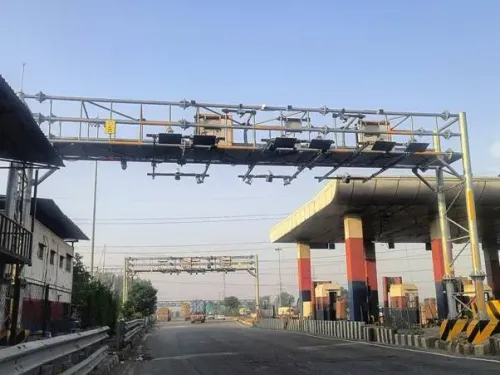
The MLFF system eliminates physical barriers entirely. Overhead gantries fitted with high-resolution cameras and RFID sensors use Automatic Number Plate Recognition (ANPR) and FASTag technology to identify vehicles and deduct toll charges directly from linked accounts — all without manual intervention. Vehicles without valid FASTags are identified via number plate recognition, and notices for toll payment are issued automatically.
Point of View
But the harder question is scale. India has over 1,000 toll plazas, many on high-traffic corridors where FASTag penetration and account-linking remain uneven. MLFF works seamlessly only when the back-end — linked accounts, updated vehicle databases, and dispute resolution — is equally robust. The government's track record on FASTag rollout, which saw repeated deadline extensions and exemption carve-outs, warrants measured optimism. If the Surat model resolves the non-FASTag vehicle problem efficiently without creating a new layer of litigation over auto-deductions, it could genuinely transform highway logistics. If not, it risks becoming another headline infrastructure announcement that stalls at implementation.
NationPress
16 Sept 2026
Frequently Asked Questions
What is the MLFF barrier-less tolling system launched in India?
The Multi-Lane Free Flow (MLFF) system is India's first barrier-less toll collection technology, launched on 1 May 2025 at the Choryasi toll plaza on NH-48 in Gujarat. It uses overhead gantries with ANPR cameras and RFID sensors to deduct tolls via FASTag without vehicles needing to stop.
Where is India's first barrier-less toll plaza located?
It is located at the Choryasi toll plaza on the Surat-Bharuch section of National Highway-48 in Gujarat, on the busy Mumbai-Delhi corridor.
What happens if a vehicle does not have a valid FASTag?
Vehicles without valid FASTags are identified through Automatic Number Plate Recognition (ANPR) technology, and a toll payment notice is automatically issued to the registered owner.
How many toll plazas will get the MLFF system across India?
The government has indicated plans to expand MLFF technology to more than 1,000 toll plazas nationwide, with the Choryasi installation serving as a pilot model for wider rollout.
What are the expected benefits of barrier-less tolling?
According to Union Minister Nitin Gadkari, the system is expected to reduce travel time, ease congestion, improve fuel efficiency, lower vehicular emissions, and minimise human intervention — also boosting logistics efficiency and ease of doing business.