India IIP growth hits 5.1% in May, manufacturing leads the charge
Synopsis
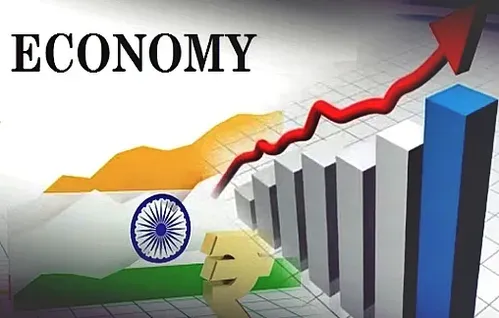
India's factory output accelerated to 5.1% in May, with capital goods surging 12.9% — a signal that real investment is picking up. But the headline number comes with a methodological asterisk: MoSPI has simultaneously scrapped the WPI deflator in favour of the Output PPI, revising the entire IIP 2022-23 series. The data tells two stories at once — a strengthening industrial cycle and a quietly significant statistical overhaul.
Key Takeaways
India's IIP grew 5.1 per cent in May , accelerating from 4.9 per cent in April, according to MoSPI data released on 28 June .
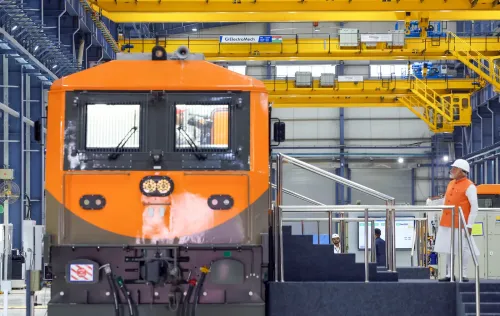
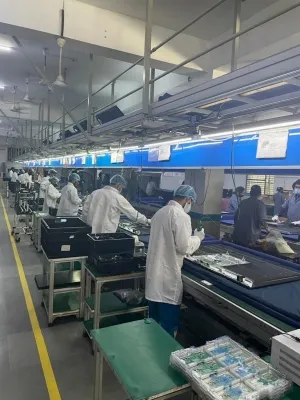
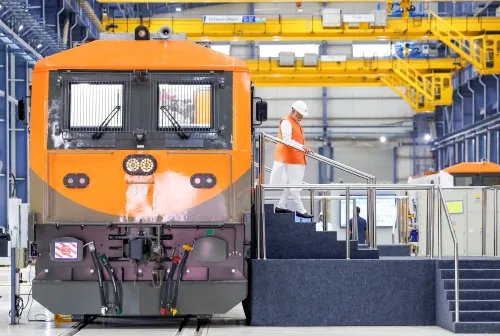
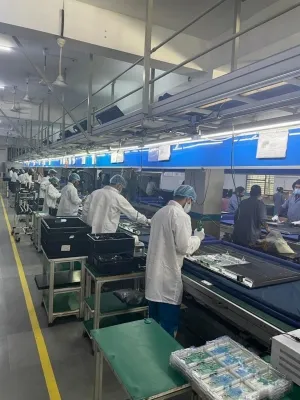
Manufacturing — over three-fourths of the IIP — expanded 5.5 per cent ; 16 of 23 industry groups recorded positive growth.
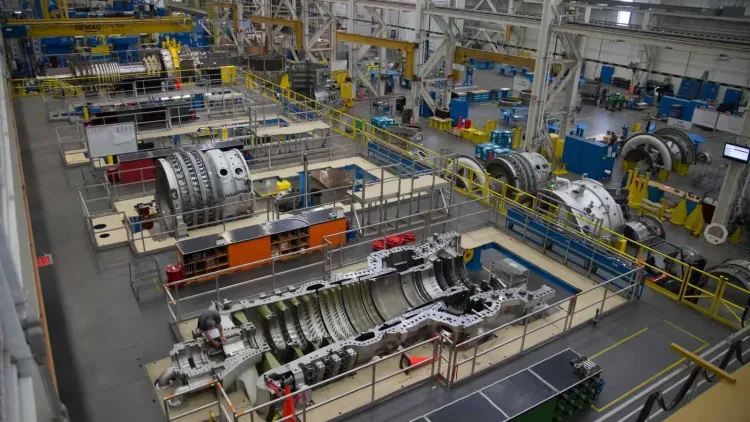
Capital goods output surged 12.9 per cent , signalling stronger real investment in the economy.
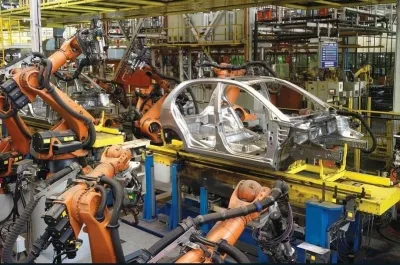
Electrical equipment ( 20.8% ) and motor vehicles ( 14.5% ) were the top manufacturing contributors.
Mining contracted 1.6 per cent , remaining the only major sector in negative territory.
MoSPI replaced the WPI with the Output PPI as the IIP deflator, revising the entire 2022-23 base series — affecting 36.02 per cent of the index weight.
India's Index of Industrial Production (IIP) expanded by 5.1 per cent in May compared to the same month a year earlier, driven by robust momentum in the manufacturing sector and a sharp surge in electricity and gas supply, according to data released by the Ministry of Statistics and Programme Implementation (MoSPI) on Monday, 28 June. The reading marks an acceleration from the 4.9 per cent growth recorded in April.
Manufacturing Leads Growth
The manufacturing sector — which accounts for more than three-fourths of the IIP basket — posted 5.5 per cent growth in May over the year-ago period. Within the sector, 16 out of 23 industry groups recorded positive growth. The top contributors were manufacture of electrical equipment (20.8 per cent), manufacture of motor vehicles (14.5 per cent), and manufacture of basic metals (4.6 per cent).
The electricity and gas supply sector surged 9.9 per cent during the month, while water supply, sewerage and waste management posted 5.5 per cent growth. The mining sector, however, remained a laggard, contracting by 1.6 per cent during May.
Capital Goods Signal Stronger Investment
Capital goods production — comprising machinery used in factories and a key proxy for real investment activity in the economy — jumped 12.9 per cent in May. Economists note that sustained capital goods growth typically signals a multiplier effect on jobs and income creation in subsequent quarters.
Consumer durables such as electronic goods, refrigerators, and televisions recorded a 7.2 per cent rise during the month, reflecting firmer household demand amid rising incomes. Consumer non-durables — including soaps and cosmetics — posted a more modest 3.6 per cent growth. The infrastructure and construction goods segment grew 5.9 per cent, underpinned by the government's ongoing investments in highways, ports, and railway projects.
A New Deflator for IIP: Output PPI Replaces WPI
Alongside the May data, MoSPI announced a significant methodological change: the Output Producer Price Index (Output PPI) will now replace the Wholesale Price Index (WPI) as the deflator for item groups where industrial output is reported in value terms. This affects 234 out of 463 item groups in the IIP basket, representing 36.02 per cent of the total index weight.
The ministry has revised and released the entire IIP 2022-23 series using the Output PPI, superseding the earlier WPI-based series released on 1 June. The Department for Promotion of Industry and Internal Trade (DPIIT) had published the Output PPI series with base year 2022-23 on 15 June.
Why the Methodological Shift Matters
According to MoSPI, the Output PPI provides a more granular price structure than the WPI and is better suited to estimating real output for value-based items. The shift is also aligned with international best practices and the recommendations of the Technical Advisory Committee (TAC) on IIP base revision. Critically, since IIP feeds into the estimation of quarterly Gross Domestic Product (GDP), the transition to Output PPI is expected to facilitate more accurate, PPI-based volume estimation in the National Accounts going forward.
With manufacturing momentum building and capital goods output accelerating, the May IIP data broadly reinforces the view that India's industrial recovery is on a firmer footing — though the persistent weakness in mining remains a sector to watch in the months ahead.
Point of View
But the more consequential development buried in the release is the deflator switch from WPI to Output PPI — a change that affects over a third of the index weight and will alter how India's industrial output is read historically and going forward. The simultaneous revision of the entire 2022-23 series means comparisons with earlier prints are not strictly apples-to-apples, a nuance most headline coverage will miss. Meanwhile, the mining contraction — now a recurring drag — deserves more scrutiny than the aggregate growth number typically invites.
NationPress
29 Jun 2026
Frequently Asked Questions
What is India's IIP growth rate for May?
India's Index of Industrial Production (IIP) grew 5.1 per cent in May compared to the same month a year earlier, according to data released by MoSPI on 28 June. This is an improvement from the 4.9 per cent growth recorded in April.
Which sectors drove India's industrial growth in May?
Manufacturing (5.5%), electricity and gas supply (9.9%), and infrastructure and construction goods (5.9%) were the primary drivers. Within manufacturing, electrical equipment (20.8%) and motor vehicles (14.5%) led gains. Mining was the only major sector to contract, falling 1.6 per cent.
What does the capital goods growth of 12.9% indicate?
Capital goods — machines and equipment used in factories — are a key indicator of real investment in the economy. A 12.9 per cent jump in May suggests businesses are expanding productive capacity, which typically has a multiplier effect on employment and income creation in subsequent quarters.
What is the Output PPI and why has MoSPI adopted it for IIP?
The Output Producer Price Index (Output PPI) is a price index that captures producer-level prices at a more granular level than the Wholesale Price Index (WPI) it replaces. MoSPI adopted it as the IIP deflator because it provides more accurate real output estimates for value-based items, aligns with international best practices, and will eventually improve GDP volume estimation in the National Accounts.
How does the IIP methodology change affect past data?
MoSPI has revised and released the entire IIP 2022-23 series using the Output PPI, superseding the WPI-based series released on 1 June. The change affects 234 of 463 item groups — representing 36.02 per cent of the total index weight — meaning historical comparisons with the old series are not directly comparable.