Domestic Demand Supports Resilience in India's Tourism and Hospitality Amid Global Turbulence

Synopsis
India's tourism and hospitality sectors exhibit remarkable resilience driven by strong domestic demand, even as international travel faces disruptions from geopolitical tensions. Discover how emerging travel trends and domestic strategies are shaping the landscape.
Key Takeaways
Strong domestic demand is key to resilience.
Emerging travel trends are reshaping the market.
Inbound tourism has declined by 15-20% .
Recommendations aim to strengthen the tourism ecosystem.
Geopolitical tensions pose challenges and opportunities.
New Delhi, April 16 (NationPress) The tourism and hospitality sectors in India are demonstrating remarkable strength thanks to robust domestic demand, despite the ongoing conflict in the West Asia region which is hindering international travel, as reported by a leading industry association on Thursday.
In the face of global challenges, the hospitality industry shows notable stability, bolstered by a strong 'V-shaped' recovery and solid domestic market support, as highlighted in a report from the PHD Chamber of Commerce and Industry (PHDCCI).
Furthermore, the restaurant and food services sector exhibited a mix of trends.
While domestic consumption and food delivery services—accounting for nearly 30% of revenues for organized players—are helping maintain stability, rising input costs of 10-15% and reduced international visitor numbers are impacting profit margins.
The report emphasized that domestic tourism is serving as the main catalyst for growth, driven by new travel patterns such as “revenge travel”, staycations, bizcations, and experiential dining.
Inbound tourism has suffered a setback, with foreign tourist arrivals decreasing by 15–20%, especially in the leisure sector, as travelers remain cautious due to geopolitical turmoil.
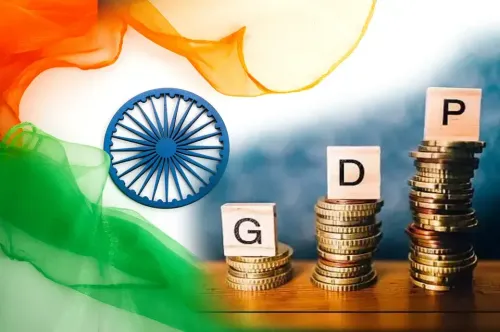
The PHDCCI's findings indicate that India’s tourism, aviation, and hospitality sectors—contributing almost 8% to GDP and providing over 40 million jobs—are again facing external pressures from geopolitical conflicts.
Simultaneously, outbound travel habits are evolving, with Indian travelers showing a preference for short-haul destinations like Thailand, Singapore, and Vietnam, while long-haul and transit-heavy routes have seen a decline.
The significant recovery observed in 2025 has helped cushion the adverse effects, with branded hotel inventory expanding to approximately 200,000 rooms and domestic air traffic exceeding 500,000 passengers daily, reflecting a sustained growth in demand.
The report also noted that these disruptions have increased flight durations by 2-4 hours on major routes.
The blockage of key Middle East air corridors, some of the busiest global transit routes, has also diminished connectivity efficiency and driven up airfare costs.
To address these challenges and bolster resilience, the PHDCCI has recommended diversifying international air routes, enhancing bilateral connectivity, and rationalizing taxes on aviation turbine fuel (ATF), hospitality, and food services.
The report further stressed the importance of improving digital travel facilitation, streamlining visa processes, and enhancing marketing efforts for alternative global destinations.
In conclusion, while the West Asia conflict presents immediate disruptions, it also offers India a chance to cultivate a more resilient, diverse, and self-sufficient tourism ecosystem.
Point of View
The report underscores the critical role of domestic demand in sustaining India's tourism and hospitality sectors during turbulent times, highlighting a strategic opportunity for growth despite external pressures.
NationPress
19 Sept 2026
Frequently Asked Questions
How is domestic demand affecting tourism in India?
Domestic demand is acting as a crucial stabilizer for India's tourism and hospitality sectors, compensating for the decline in international travel due to geopolitical tensions.
What are the current trends in India's hospitality sector?
Current trends include a strong recovery driven by 'revenge travel', staycations, and experiential dining, despite challenges such as rising input costs.
How has inbound tourism been affected?
Inbound tourism has seen a significant decline, with foreign tourist arrivals dropping by 15-20%, particularly in leisure travel.
What recommendations were made to improve the tourism sector?
Recommendations include diversifying international air routes, enhancing connectivity, and streamlining visa processes to bolster the sector's resilience.
What impact does the West Asia conflict have on Indian tourism?
The West Asia conflict has created short-term disruptions but also presents an opportunity for India to develop a more resilient and self-reliant tourism ecosystem.