Smriti Irani greets Haryana on its 60th Foundation Day
Synopsis
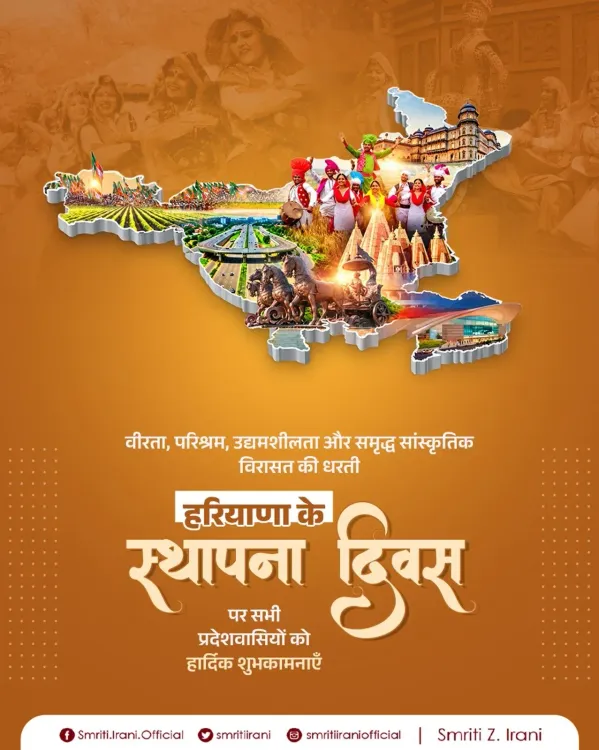
BJP leader Smriti Irani extended warm greetings to Haryana on its Foundation Day, 1 November 2026, celebrating the state's identity rooted in valour, hard work, entrepreneurship, and a rich cultural heritage, while hoping it continues to scale new milestones of national progress.
Key Takeaways
BJP leader Smriti Irani posted a Foundation Day greeting for Haryana on 1 November 2026 .
Haryana was formed on 1 November 1966 from the Hindi-speaking districts of the erstwhile Punjab state.
Irani's message highlighted the state's identity as one of valour, hard work, entrepreneurship, and rich cultural heritage .
Haryana is widely recognised for its role in India's Green Revolution , military recruitment, and sporting excellence.
The greeting carries no new policy announcement and follows the established practice of national leaders marking state foundation days.
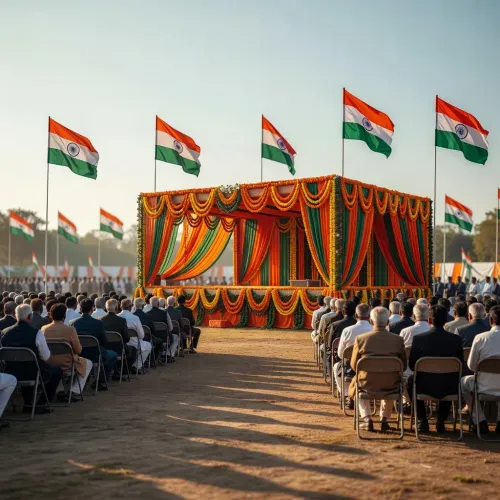
Sixty years after Haryana was carved out of Punjab and set on its own course, BJP leader Smriti Irani marked the occasion on Sunday, 1 November 2026 with a heartfelt message to every resident of the state — invoking bravery, enterprise, and a culture that has long punched above its weight on the national stage.
In her post, Irani wrote: 'वीरता, परिश्रम, उद्यमशीलता और समृद्ध सांस्कृतिक विरासत की पहचान हरियाणा' — 'the identity of Haryana defined by valour, hard work, entrepreneurship and a rich cultural heritage' — and expressed her wish that the state 'continues to scale new heights of progress and contribute meaningfully to the nation's development.'
A state built on grit — and the Green Revolution
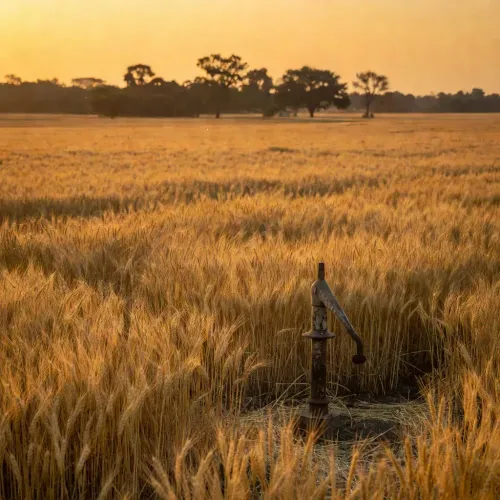
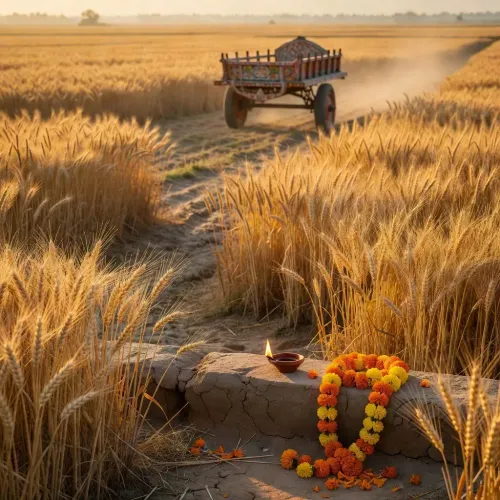
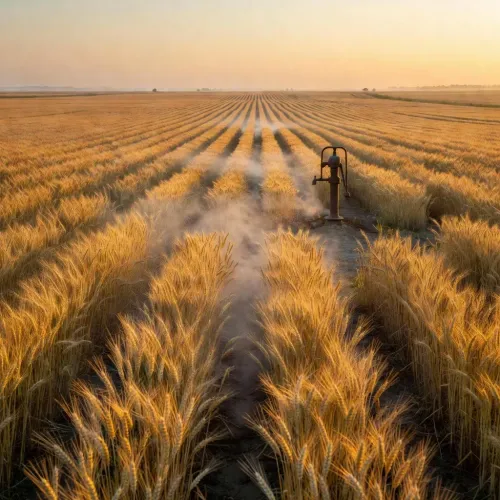
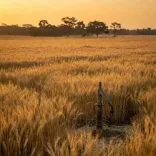
Haryana came into existence on 1 November 1966, when the Hindi-speaking districts of the erstwhile Punjab state were reorganised into a separate entity. Small in geography but outsized in impact, the state became one of the engines of India's Green Revolution, transforming wheat and rice output and feeding a newly independent nation's ambitions. Its flat, fertile belt around Karnal, Panipat, and Hisar became synonymous with agricultural plenty.
Beyond farming, Haryana built a reputation for producing a disproportionate share of India's military recruits and sporting champions — its wrestlers, boxers, and athletes have repeatedly represented the country on global stages. Folk traditions like ragini music and the phulkari craft add a cultural texture that is distinctly its own.
Why politicians mark Haryana's foundation day
Foundation Day greetings from national leaders are a staple of Indian political life — a way to affirm regional identities within the federal compact. For Haryana, which borders the national capital Delhi and sits at the crossroads of north Indian commerce, the occasion carries particular resonance. The state's agricultural sector, industrial corridor along the Delhi-Mumbai Industrial Corridor, and strong military recruitment record make it a perennial talking point in both policy and electoral conversations.
Irani's message carries no new policy announcement — it is a moment of acknowledgment, not prescription. But in the cadence of national politics, such gestures reinforce a party's relationship with regional communities and remind voters that their state's identity is seen and valued from the centre.
Sixty years in, Haryana's story is still being written — and on its foundation day, the country pauses, however briefly, to read the lines so far.
Point of View
But for a state like Haryana — strategically located next to Delhi, electorally significant, and economically vital — such public acknowledgments from senior national figures carry political weight beyond courtesy. Irani's framing of Haryana through the lens of valour and entrepreneurship subtly echoes the BJP's broader narrative of connecting regional pride to national ambition. With no specific policy promise attached, the message is best read as relationship-maintenance: a reminder to a politically important constituency that their identity resonates at the national level. In a federal democracy, that kind of symbolic capital is never entirely incidental.
NationPress
1 Nov 2026
Frequently Asked Questions
When is Haryana Foundation Day celebrated?
Haryana Foundation Day is celebrated every year on 1 November , marking the state's formation on 1 November 1966.
How was Haryana formed?
Haryana was carved out of the erstwhile Punjab state on 1 November 1966 , when the Hindi-speaking districts were reorganised into a separate entity following the Punjab Reorganisation Act.
What is Smriti Irani's role in the BJP?
Smriti Irani is a senior BJP leader who has served as Union Minister of Women and Child Development and Minority Affairs, among other portfolios, over her political career.
Why is Haryana important to India's economy and defence?
Haryana played a central role in India's Green Revolution, boosting wheat and rice output; it also contributes significantly to military recruitment and is a major industrial hub, particularly along the Delhi corridor.
What did Smriti Irani say about Haryana on Foundation Day 2026?
Irani praised Haryana's identity built on 'valour, hard work, entrepreneurship, and rich cultural heritage' and expressed hope that the state continues to progress and contribute to national development.