Uncovering the ISI's Espionage Network: From Ghaziabad to Mumbai
Synopsis
An ISI-backed espionage network has been dismantled, which conducted surveillance on sensitive sites in Mumbai and other regions. This revelation raises serious security concerns, prompting audits of surveillance systems across Maharashtra.
Key Takeaways
Espionage Network: The ISI-backed unit conducted surveillance on sensitive locations in India.
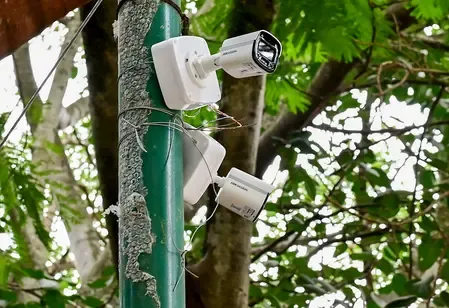
Technology Used: Solar-powered CCTV cameras were installed to transmit live feeds.
Geographic Reach: Their activities extended into multiple states including Maharashtra.
Security Measures: An audit of CCTV systems has been mandated by the government.
National Security Concerns: The operation's scope highlights significant security vulnerabilities.
New Delhi, April 13 (NationPress) An espionage network supported by the ISI, initially uncovered by the Ghaziabad Police, conducted surveillance on critical sites such as naval bases and airport zones in Mumbai. They were in the process of deploying solar-powered CCTV cameras at these strategic locations and intended to transmit the live footage back to their handlers in Pakistan.
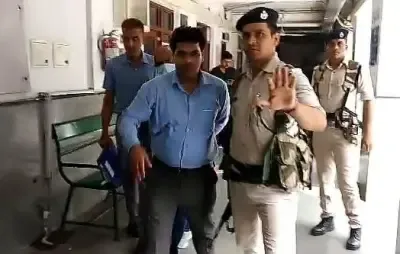
An investigating officer disclosed that the network's activities extended beyond reconnaissance operations in Delhi, Ghaziabad, Punjab, and Jammu and Kashmir, reaching as far as Maharashtra. The interrogation of the main suspect, Suhail Malik, revealed that he had been working as a daily laborer at a bakery, while, in truth, he was employed by the ISI.
During his time living in Pune, Malik relayed intelligence regarding sensitive locations in both Pune and Mumbai. He later relocated to Ghaziabad and continued his work for the ISI, leading the espionage unit that was dismantled by local authorities.
This espionage unit successfully established solar-powered CCTV systems at railway stations and other densely populated areas. Security agencies are now meticulously investigating the activities of this network in Mumbai and Pune. Malik spent five years in Mumbai from 2020 to 2025, during which he conducted reconnaissance of several sites and provided the ISI with valuable information.
According to officials, the primary targets of this network included Army cantonments, railway stations, and the movements of security personnel. The investigation indicates that the group placed a significant emphasis on the Indian Railways.
While the espionage unit was tasked solely with information gathering, they were not involved in planning any attacks. The ISI was in the process of forming another unit intended to execute strikes at railway stations and Army cantonments.
Another official remarked that the installation of the cameras to capture live feeds was not a rapid process; it had been ongoing for several years. Security agencies are now assessing the depth of information that has been transmitted. This unit provided data to the ISI at a remarkably low cost to facilitate attacks at multiple locations over time. The scale of this operation was significant, and the disruption of this unit has reportedly prevented a major disaster, according to officials.
Investigators have determined that Suhail was compensated Rs 8,000 for each CCTV camera installed. Over the years, he managed to set up these devices at various locations. This novel strategy employed by the ISI to gather live feeds from vulnerable and crowded sites has triggered a comprehensive audit of CCTV cameras currently being marketed.
In the wake of this module's dismantling, the Maharashtra government has mandated an audit of CCTV systems in the region. Furthermore, the procurement of CCTV cameras associated with Chinese firms has been suspended. The Brihanmumbai Municipal Corporation (BMC) and the Mumbai Metropolitan Region Development Authority must now secure police approval before installing surveillance equipment.
According to an Intelligence Bureau official, this module had a far-reaching impact and successfully gathered sensitive data across various states. Law enforcement agencies in these states must collaborate to compile as much information as possible, recognizing that this should not be viewed as an isolated intelligence-gathering effort.
It is equally crucial for the agencies to understand how the collected data was utilized and the ISI's intended applications for it, the official added.
Frequently Asked Questions
What was the primary function of the ISI-backed espionage module?
The primary function of the ISI-backed espionage module was to gather intelligence on sensitive locations, including military and railway sites, and transmit this information back to their handlers in Pakistan.
How were the surveillance activities conducted?
The espionage unit installed solar-powered CCTV cameras at various strategic locations to capture live feeds, which were then sent to ISI operatives in Pakistan.
What measures have been taken following the bust of this module?
Following the bust, the Maharashtra government has ordered an audit of CCTV systems and halted the procurement of cameras linked to Chinese firms.
Who was the main suspect in this espionage case?
The main suspect was Suhail Malik, who was found to be working for the ISI while posing as a daily wage worker.
What implications does this have for national security?
The extensive reach of the module and its ability to gather sensitive information pose significant threats to national security, necessitating improved coordination among law enforcement agencies.