Jaishankar condoles deaths of Indians in Qatar Ras Laffan blast
Synopsis
EAM Dr. S. Jaishankar expressed grief over the deaths and injuries of Indian nationals in an explosion at Qatar's Ras Laffan Industrial City on June 23, 2026, confirming the Indian Embassy in Doha is coordinating with Qatari authorities and assisting affected families.
Key Takeaways
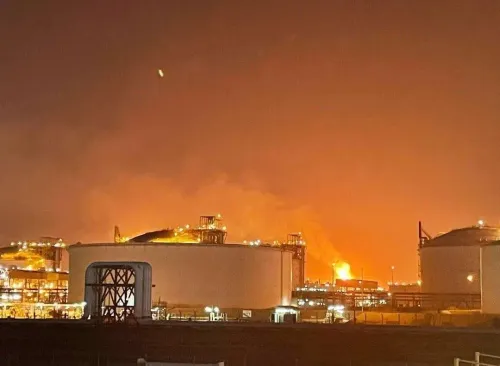
An explosion occurred at Ras Laffan Industrial City , Qatar's main LNG and petrochemical hub, on or before June 23, 2026 .
Indian nationals are among those killed and injured in the blast, prompting a statement from EAM Dr.
The Embassy of India in Doha is in active contact with Qatari authorities and is reaching out to families of affected Indian nationals.
Qatar hosts over 700,000 Indian expatriates , concentrated in energy and industrial sectors, making such incidents of acute national concern.
A bilateral manpower and welfare agreement signed in 1985 governs India's consular protection framework for workers in Qatar.
Exact casualty figures and further details are yet to be officially confirmed as the situation continues to develop.
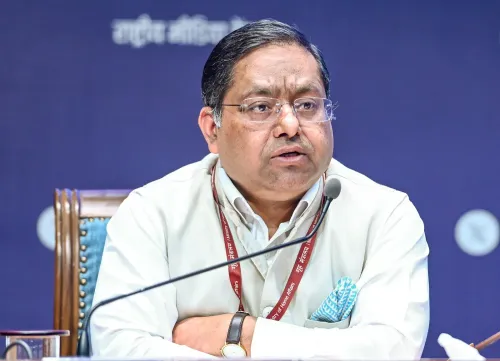
Union External Affairs Minister Dr. S. Jaishankar on Tuesday, June 23, 2026, expressed deep sorrow over the loss of lives and injuries — including those of Indian nationals — in an explosion at Ras Laffan Industrial City in Qatar, and confirmed that the Embassy of India in Doha is actively coordinating with Qatari authorities to assist affected families.
Context
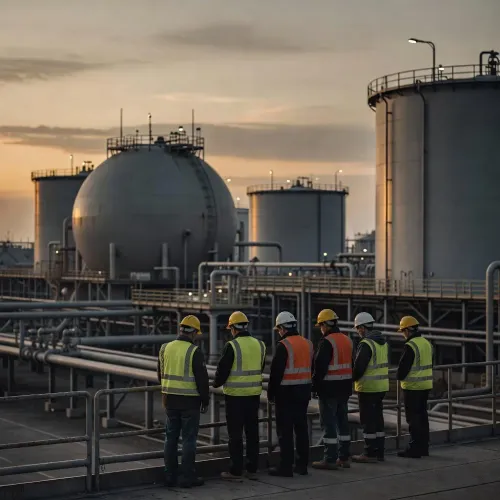
The explosion struck Ras Laffan Industrial City, Qatar's principal liquefied natural gas and petrochemical hub located north of Doha and operated primarily by QatarEnergy alongside international partners. The industrial city is one of the largest energy complexes in the world and employs a significant number of workers from South Asia, including a substantial Indian workforce. Dr. Jaishankar stated on X (formerly Twitter): 'Deeply saddened by the loss of lives and injuries, including of Indian nationals, in the explosion at Qatar's Ras Laffan Industrial City.'
The Minister added that as 'further details emerge', the Embassy continues to be in touch with Qatari authorities and is 'reaching out to render assistance to the families of Indian nationals affected by this tragedy.' The statement did not specify casualty figures, reflecting the early and evolving nature of the situation.
Policy Backdrop
Qatar hosts over 700,000 Indian expatriates, making it one of the largest destinations for Indian workers in the Gulf region. They are concentrated primarily in the energy, construction, and industrial sectors — precisely the domains centred on facilities such as Ras Laffan. A bilateral agreement on manpower recruitment and worker welfare, first signed between India and Qatar in 1985 and periodically updated, provides the legal framework for consular protection and assistance to Indian nationals employed in the country.
The Ministry of External Affairs has a standard operating procedure for activating consular mechanisms when Indian nationals are caught in industrial accidents or emergencies in Gulf states. This includes direct outreach by the resident Embassy, coordination with host-country authorities, and welfare assistance to affected families — all steps Jaishankar confirmed are already under way.
Stakeholders and Impact
The most immediate stakeholders are the Indian workers and their families caught in the explosion, both those injured and the next of kin of those who lost their lives. The Embassy of India in Doha serves as the primary point of contact for consular services, and its activation signals that the government is treating the incident as a matter of urgent diplomatic priority. Indian expatriates in Qatar remit billions of dollars annually to families across states such as Kerala, Tamil Nadu, Telangana, Andhra Pradesh, and Uttar Pradesh, underscoring the human and economic stakes involved.
Qatar is also a key energy partner for India, supplying a significant share of the country's LNG imports. The incident at Ras Laffan — the nerve centre of that supply chain — carries potential implications for energy logistics, though it is too early to assess any long-term disruption.
What's Next
Official casualty figures and the findings of any investigation are expected to emerge from Qatari authorities in the coming hours and days. The Embassy of India in Doha is expected to issue further advisories and coordinate repatriation or medical assistance as the situation becomes clearer. Follow-up statements from the Ministry of External Affairs, and potentially visits by Indian officials to affected families, will be closely watched. Dr. Jaishankar's prompt public statement signals that New Delhi intends to stay closely engaged as the full extent of the tragedy becomes known.
Point of View
The statement signals operational engagement rather than mere ceremonial condolence, a distinction that matters to families awaiting news. The incident also underscores the structural vulnerability of India's large blue-collar workforce concentrated in high-risk industrial zones in the Gulf, where bilateral welfare frameworks, however updated, cannot always pre-empt tragedy. How swiftly and transparently New Delhi communicates casualty information and assistance outcomes will shape public confidence in its diaspora protection machinery.
NationPress
21 Sept 2026
Frequently Asked Questions
What happened at Ras Laffan Industrial City in Qatar?
An explosion occurred at Ras Laffan Industrial City, Qatar's primary LNG and petrochemical complex north of Doha, resulting in deaths and injuries, including among Indian nationals. Details on the cause and full casualty count are still emerging as of June 23, 2026.
How many Indians were affected in the Qatar Ras Laffan explosion?
Exact figures have not been officially confirmed. EAM Dr. S. Jaishankar acknowledged that Indian nationals are among those killed and injured, and the Embassy of India in Doha is working to establish the full extent of the impact.
What is India doing to help Indian workers affected by the Qatar blast?
The Embassy of India in Doha is in active contact with Qatari authorities and is reaching out to the families of affected Indian nationals to render assistance, as confirmed by EAM Dr. S. Jaishankar on June 23, 2026.
How many Indians live and work in Qatar?
Qatar hosts over 700,000 Indian expatriates, primarily employed in the energy, construction, and industrial sectors. It is one of the largest Gulf destinations for Indian workers.
What is Ras Laffan Industrial City?
Ras Laffan Industrial City is Qatar's main hub for liquefied natural gas production and petrochemical industries, operated primarily by QatarEnergy. It is one of the world's largest energy complexes and a major employer of South Asian workers.