Jaishankar, Iran FM Araghchi hold detailed talk on West Asia conflict
Synopsis
Iran's Foreign Minister Araghchi called EAM Jaishankar just days after wrapping a three-nation tour to Pakistan, Oman, and Russia — signalling that New Delhi is firmly on Tehran's diplomatic circuit as West Asia tensions remain unresolved. The call marks the latest in a series of high-level India-Iran contacts since March, reflecting India's quiet but consistent engagement on a conflict with direct stakes for its energy security and diaspora.
Key Takeaways
Jaishankar and Iranian FM Seyed Abbas Araghchi held a phone call on 29 April 2025 , covering the West Asia conflict and bilateral ties.
Both sides discussed ceasefire developments and regional and international issues, per the Iranian Embassy in New Delhi .
The call followed Araghchi's three-nation tour to Pakistan , Oman , and Russia , where he met President Vladimir Putin and FM Sergei Lavrov .
PM Narendra Modi had previously spoken with Iranian President Masoud Pezeshkian on 21 March and 12 March , stressing dialogue and protecting shipping lanes.
India has consistently called for resolution of all issues through dialogue and diplomacy .
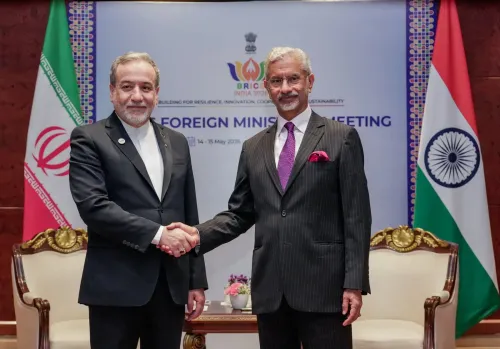
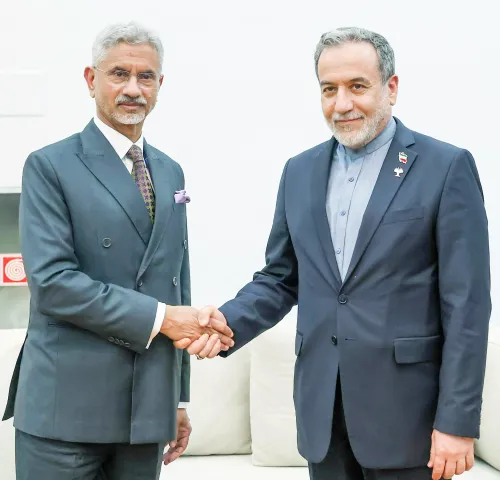
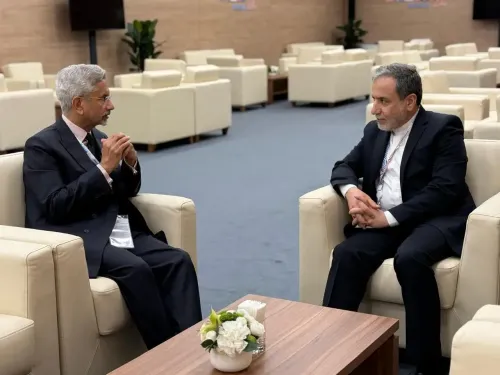
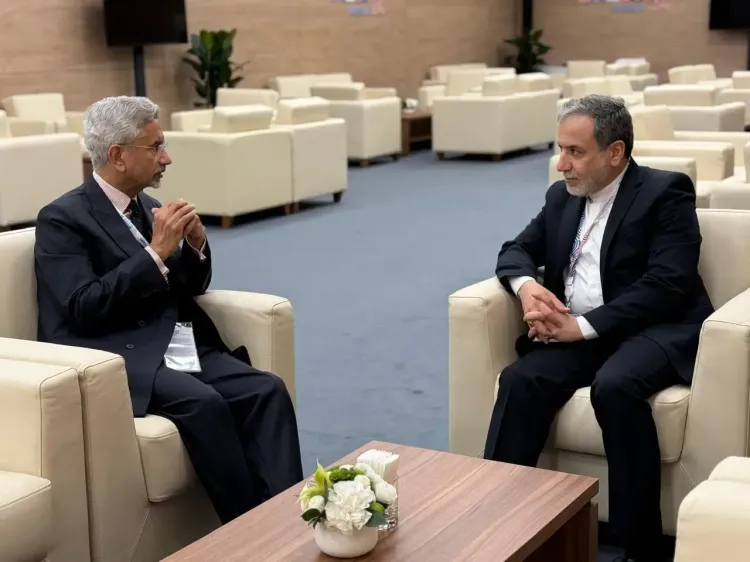
External Affairs Minister S. Jaishankar on Wednesday, 29 April held a wide-ranging phone conversation with Iranian Foreign Minister Seyed Abbas Araghchi, covering the ongoing conflict in West Asia, ceasefire developments, and the state of India-Iran bilateral relations. The call, initiated by Araghchi, comes amid an active phase of Iranian diplomatic outreach across multiple capitals.
What Was Discussed
Both ministers exchanged views on the latest ceasefire-related developments in West Asia, as well as regional and international issues, according to a statement posted by the Iranian Embassy in New Delhi on X. Jaishankar confirmed the call on X, writing: "Received a phone call from Foreign Minister Seyed Abbas Araghchi of Iran this evening. Had a detailed conversation about various aspects of the current situation. We agreed to remain in close touch."
The Iranian Embassy elaborated that the two sides "discussed and exchanged views on the latest developments related to the ceasefire, bilateral relations, as well as regional and international issues."
Araghchi's Diplomatic Tour Sets the Stage
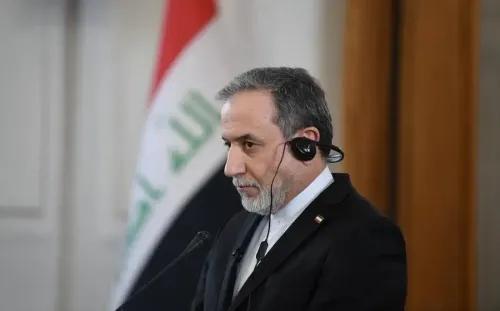
The call follows Araghchi's conclusion of a three-nation tour to Pakistan, Oman, and Russia on Tuesday. In Saint Petersburg on Monday, he met Russian President Vladimir Putin and held separate talks with Russian Foreign Minister Sergei Lavrov. The Kremlin reiterated its support for bringing peace to West Asia during those engagements.
Posting on X after the Russia visit, Araghchi said: "Pleased to engage with Russia at the highest level as the region is in major flux. Recent events have evidenced the depth and strength of our strategic partnership. As our relationship continues to grow, we are grateful for solidarity and welcome Russia's support for diplomacy."
India's Engagement With Iran on West Asia
This is not the first high-level India-Iran exchange on the West Asia situation in recent months. On 21 March, Prime Minister Narendra Modi spoke with Iranian President Masoud Pezeshkian, during which Modi condemned attacks on critical infrastructure in the region and stressed the importance of safeguarding freedom of navigation and keeping shipping lanes open and secure.
Before that, on 12 March, Modi had voiced concern over escalating tensions in the region, pointing to civilian casualties and damage to infrastructure. He reiterated India's consistent position that all issues must be resolved through dialogue and diplomacy.
Why the Call Matters
India has significant strategic and economic interests in the West Asia region, including energy security, the safety of its large diaspora, and the stability of key shipping corridors such as the Strait of Hormuz. New Delhi has consistently advocated for de-escalation and diplomatic resolution, positioning itself as a constructive interlocutor with all parties. Notably, Araghchi's outreach to India — following visits to Pakistan, Oman, and Russia — underscores Tehran's interest in keeping New Delhi engaged as regional tensions remain elevated.
With ceasefire talks in flux and multiple actors involved, the frequency of high-level India-Iran contacts suggests both sides see value in sustained diplomatic coordination in the weeks ahead.
Point of View
Yet New Delhi's public messaging has remained carefully calibrated. What is worth watching is whether this sustained engagement translates into any Indian role in formal mediation, or whether it remains, as it has historically, a channel for information-sharing rather than active conflict management. Araghchi's decision to call New Delhi after Moscow signals that Tehran values India's non-aligned positioning — but India must decide how far it wants to lean into that role without compromising its broader partnerships in the Gulf and with Israel.
NationPress
19 Sept 2026
Frequently Asked Questions
What did Jaishankar and Iran's FM Araghchi discuss in their phone call?
The two ministers held a detailed conversation on the ongoing West Asia conflict, ceasefire developments, bilateral India-Iran relations, and broader regional and international issues on 29 April 2025. Both sides agreed to remain in close touch, according to Jaishankar's post on X.
Why did Iran's Foreign Minister call EAM Jaishankar?
Araghchi reached out to Jaishankar as part of active Iranian diplomatic outreach amid the ongoing West Asia conflict. The call came immediately after Araghchi concluded a three-nation tour to Pakistan, Oman, and Russia, suggesting Tehran is engaging key regional and global partners on the crisis.
What is India's position on the West Asia conflict?
India has consistently called for de-escalation, dialogue, and diplomacy as the means to resolve the conflict. PM Modi has condemned attacks on critical infrastructure and stressed the need to keep shipping lanes open and secure, reflecting India's energy and diaspora interests in the region.
When did PM Modi last speak with Iranian leadership about West Asia?
PM Modi spoke with Iranian President Masoud Pezeshkian on 21 March 2025, discussing the security situation and condemning attacks on critical infrastructure. An earlier call on 12 March also addressed escalating tensions and civilian casualties.
What was the outcome of Araghchi's visit to Russia before the India call?
Araghchi met Russian President Vladimir Putin in Saint Petersburg and held talks with FM Sergei Lavrov on Monday. The Kremlin reiterated its support for bringing peace to West Asia, and Araghchi described the Russia-Iran strategic partnership as deepening amid the regional crisis.