Jal Shakti Minister Paatil Visits Navsari Flood Shelter
Synopsis
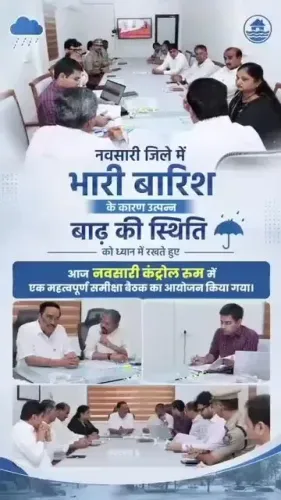
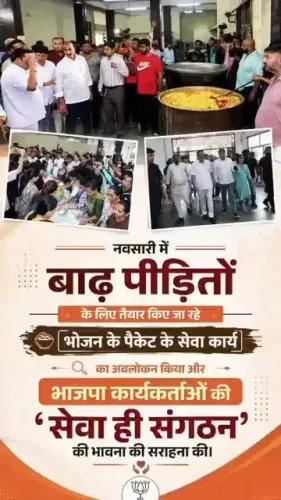
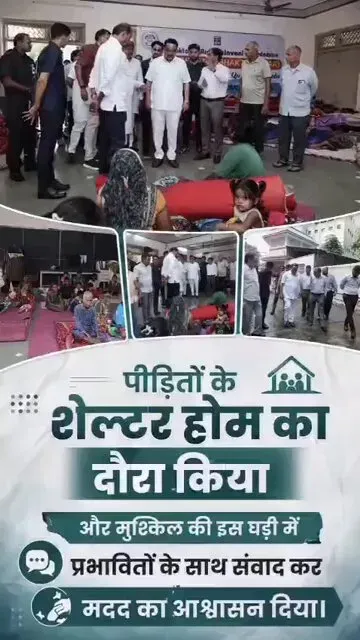
Union Jal Shakti Minister C. R. Paatil visited a flood relief shelter in Navsari, Gujarat on 2 August 2026, interacting with families displaced by monsoon flooding, signalling direct central attention to the ongoing relief operation.
Key Takeaways
Paatil , Union Minister of Jal Shakti, visited a flood shelter in Navsari, Gujarat on 2 August 2026 .
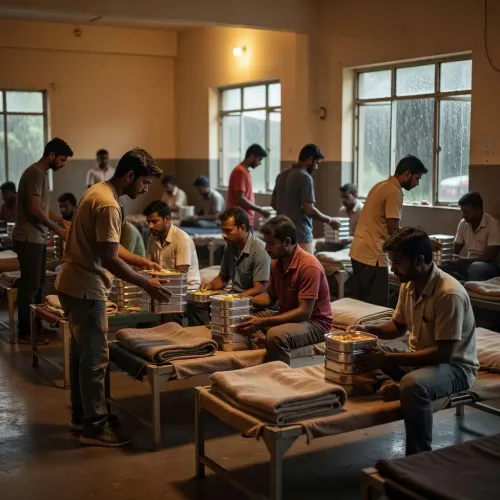
The shelter is actively housing families displaced by monsoon flooding in the Navsari district .
Paatil met and interacted with displaced residents at the relief camp.
Navsari lies along the Purna river and is a recurrently flood-prone district in southern Gujarat.
The Ministry of Jal Shakti coordinates central flood management under the Disaster Management Act, 2005 .
Any announcement of additional central assistance or flood management support for Gujarat districts is yet to be confirmed.
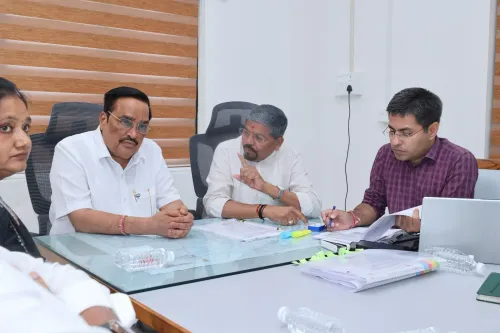
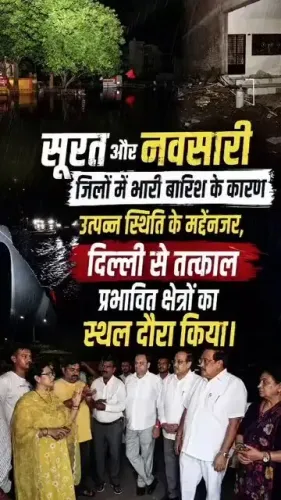
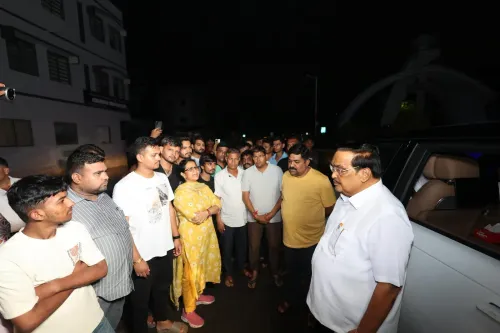
Wading into the human cost of Gujarat's monsoon floods, Union Jal Shakti Minister C. R. Paatil visited a flood relief shelter in Navsari on Sunday, 2 August 2026, meeting displaced families who have taken refuge there as rising waters force them from their homes.
Sharing a glimpse from the visit on X, Paatil described the moment in Gujarati: 'નવસારી ખાતે પૂરથી પ્રભાવિત પરિવારો માટે કાર્યરત આશ્રયસ્થળની મુલાકાત' — 'a glimpse of the time spent visiting the active shelter for flood-affected families in Navsari and meeting the citizens sheltered there.'
Navsari's recurring battle with the monsoon
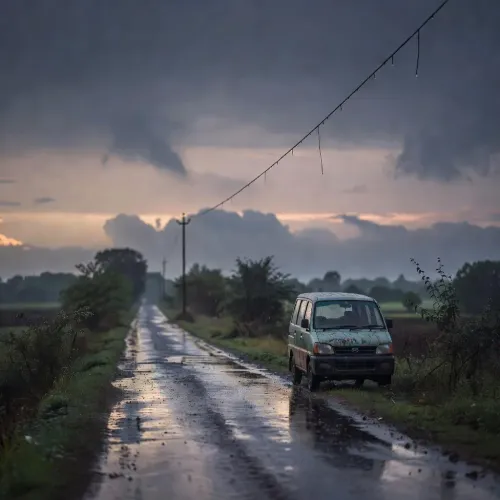
Navsari district in southern Gujarat sits along the Purna river and has long been vulnerable to seasonal flooding during the southwest monsoon. Recurrent inundation forces families to abandon homes each year, placing pressure on state and district disaster machinery to set up and sustain relief camps quickly.
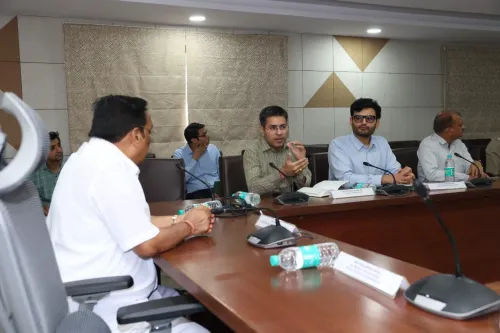
As Union Jal Shakti Minister, Paatil heads the ministry that coordinates central flood management and relief efforts with states under the National Disaster Management framework, established through the Disaster Management Act of 2005. His on-ground presence at a shelter signals direct central-level attention to the relief operation.
Why a minister's shelter visit matters
Central ministers visiting flood camps in Gujarat — a BJP-governed state — is part of an established pattern of central-state coordination during monsoon emergencies. Such visits typically precede or accompany decisions on additional central assistance, accelerated release of funds, or deployment of NDRF teams. Whether Paatil's Navsari visit translates into a formal announcement of enhanced central support will be the detail to watch in the hours and days ahead.
For the families sheltering inside, the minister's presence is at minimum a signal that their displacement has reached the capital's attention. The real measure will be what follows.
Point of View
His presence carries institutional weight beyond symbolism, since the ministry holds the levers for central flood-relief funding and NDRF deployment. The visit, however, will only acquire policy significance if it is followed by a concrete announcement; without one, it registers primarily as a visibility exercise. Gujarat's recurring monsoon vulnerability makes it a perennial test of how swiftly central machinery can translate ministerial attention into measurable relief.
NationPress
2 Aug 2026
Frequently Asked Questions
Why did C. R. Paatil visit Navsari?
Paatil visited a flood relief shelter in Navsari on 2 August 2026 to meet families displaced by monsoon flooding in the district.
What is the Navsari flood situation in 2026?
Navsari district in southern Gujarat has been affected by monsoon flooding, prompting the activation of relief shelters for displaced families. Specific flood event details are yet to be officially confirmed.
What does the Ministry of Jal Shakti do during floods?
The Ministry of Jal Shakti coordinates central flood management and disaster relief with state governments under the National Disaster Management framework established by the Disaster Management Act of 2005.
Is Navsari frequently flooded?
Yes. Navsari district in southern Gujarat lies along the Purna river and is recurrently affected by seasonal monsoon flooding each year.
What could follow Paatil's Navsari shelter visit?
Such ministerial visits often precede announcements of additional central assistance, release of disaster relief funds, or deployment of NDRF teams — though no formal announcement has been confirmed yet.