Jharkhand CMO Spotlights Tribal Flavours at Adivasi Mahotsav
Synopsis
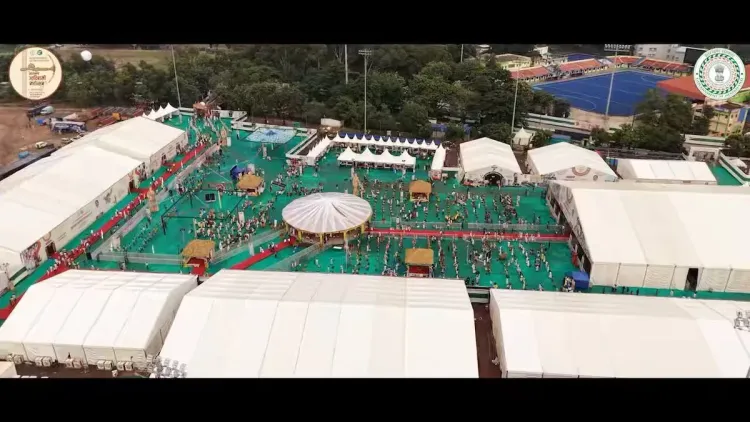
At the Jharkhand Adivasi Mahotsav on 9 August 2026 — World Indigenous Peoples' Day — the CMO spotlighted 'Hamar Jharkhand Rasoi', a tribal food showcase serving dhuskha, madua roti, dehati chicken, and makai cake, blending cultural pride with a quiet push for culinary tourism.
Key Takeaways
The Chief Minister's Office of Jharkhand highlighted the 'Hamar Jharkhand Rasoi' stall at the Jharkhand Adivasi Mahotsav on 9 August 2026 .
Dishes featured include dhuskha , madua thekua , madua roti , makai namkeen , dehati chicken , and makai cake — all rooted in tribal culinary traditions.
9 August is World Indigenous Peoples' Day , giving the festival international cultural significance.
Jharkhand, formed in 2000 , has one of India's largest Scheduled Tribe populations, whose food traditions are centred on millets, maize, and forest produce.
The Adivasi Mahotsav is part of the state's broader strategy to develop cultural tourism and preserve indigenous food practices, with potential GI tagging on the horizon.
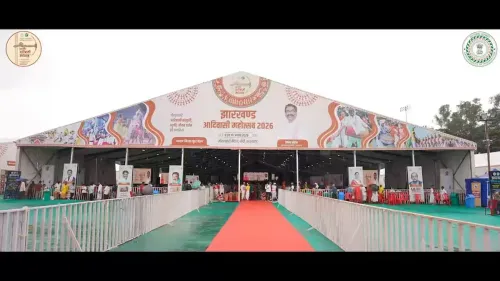
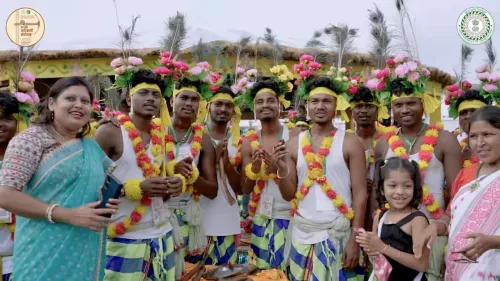
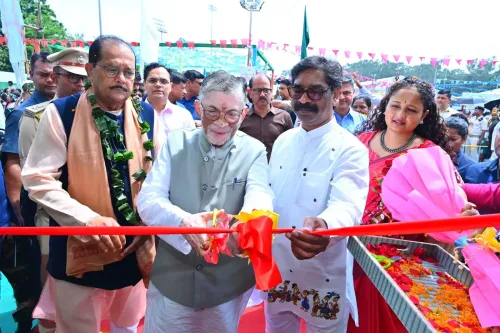
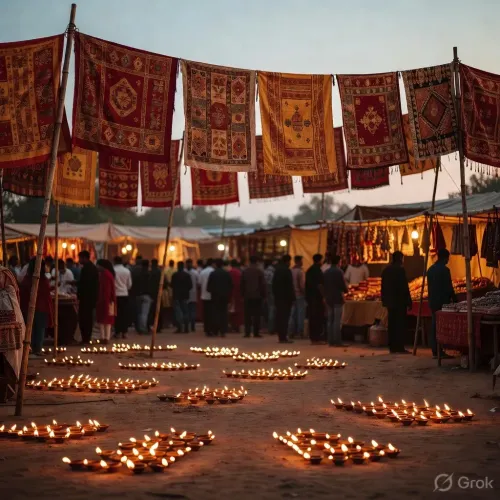
At the Jharkhand Adivasi Mahotsav, a festival celebrating the state's rich indigenous heritage, the food stall called 'Hamar Jharkhand Rasoi' — 'Our Jharkhand Kitchen' — is drawing the biggest crowds. The Chief Minister's Office of Jharkhand highlighted the culinary spread on 9 August 2026, capturing the mood of a state proudly putting its tribal food traditions on a public stage.
The post names dishes that rarely make it onto mainstream menus: dhuskha (a deep-fried rice-and-lentil snack), madua thekua and madua roti (preparations made from finger millet), makai namkeen (spiced corn savoury), dehati chicken (country-style chicken), and even makai cake — a sweet corn confection that bridges the traditional and the contemporary. Together they sketch a cuisine built on millets, maize, and forest-floor ingredients that have sustained Jharkhand's Scheduled Tribe communities for generations.
Why 'Hamar Jharkhand Rasoi' Matters Beyond the Plate
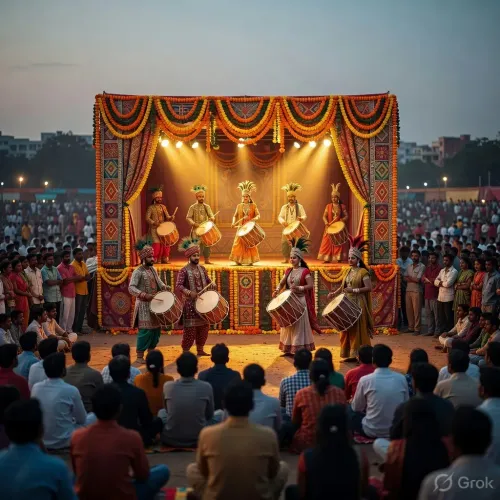
Jharkhand, carved out of Bihar in 2000, holds one of the largest concentrations of Scheduled Tribe population in India. The state's indigenous communities — including the Santali, Munda, Ho, and Oraon peoples — have long maintained distinct culinary traditions tied to seasonal agriculture and forest produce. Yet those traditions have rarely received the kind of government-backed visibility that mainstream regional cuisines enjoy. The Adivasi Mahotsav is designed to change that calculus. As a state-level showcase of tribal heritage, arts, and food, the festival serves a dual purpose: cultural preservation and economic activation. When a government kitchen puts madua (finger millet) at the centre of its menu, it signals intent — not just celebration. Finger millet is a nutritionally dense, drought-resistant crop that policy planners across tribal-majority states are trying to revive through procurement and promotion schemes.Food as a Gateway to Cultural Tourism
Jharkhand has been building a case for cultural tourism as a complement to its better-known eco-tourism and pilgrimage circuits. Food showcases like 'Hamar Jharkhand Rasoi' are a tangible piece of that strategy — turning a festival stall into a soft-power argument for culinary trails, artisan markets, and eventually, geographical indication tagging for dishes and ingredients unique to the region. Other tribal-majority states have used similar festivals as springboards for GI applications and tourism branding. The date is not incidental: 9 August is World Indigenous Peoples' Day, a UN-designated occasion that gives the Adivasi Mahotsav global resonance and a ready international frame. Celebrating Jharkhand's tribal kitchen on this day is a deliberate act of cultural assertion — and the CMO's post is the amplifier. If the next edition of the Mahotsav brings a culinary trail or a formal GI push for dhuskha or madua products, today's festival stall will look, in hindsight, like the opening move.Point of View
Not merely an administrator of it. For a state where tribal welfare is a perennial electoral fault line, cultural visibility is political currency. The spotlight on millet-based dishes like madua roti also quietly aligns with the central government's Shree Anna (millets) push, giving Jharkhand a chance to position its tribal food economy within a national narrative. If the state follows through with GI tagging or dedicated culinary trails, this festival moment could mark the beginning of a structured cultural-tourism play.
NationPress
24 Sept 2026
Frequently Asked Questions
What is the Jharkhand Adivasi Mahotsav?
The Jharkhand Adivasi Mahotsav is a state-level festival organised by the Jharkhand government to showcase the tribal heritage, arts, and cuisine of the state's indigenous communities.
What dishes are served at Hamar Jharkhand Rasoi?
'Hamar Jharkhand Rasoi' at the Adivasi Mahotsav serves traditional tribal dishes including dhuskha, madua thekua, madua roti, makai namkeen, dehati chicken, and makai cake.
Why is the Adivasi Mahotsav held on 9 August?
9 August is World Indigenous Peoples' Day, a UN-designated occasion, making it a symbolically significant date for a festival celebrating tribal culture and heritage.
What is madua and why is it significant in Jharkhand?
Madua is the local name for finger millet, a nutritionally rich and drought-resistant grain central to the diet of Jharkhand's tribal communities and increasingly promoted by state governments as part of millet revival initiatives.