J&K High Court grants bail in POCSO case, cites adolescent relationship
Synopsis
The J&K High Court has granted bail to a POCSO accused, citing the prosecutrix's own testimony that she accompanied the accused voluntarily and intended to marry him — while firmly stating the ruling touches only bail, not the trial. It is a nuanced judicial moment that separates the legal absolutism of POCSO from the procedural question of pre-trial detention.
Key Takeaways
J&K High Court granted bail to an accused charged under Section 4 of the POCSO Act and BNS provisions on kidnapping and rape.
Justice Sanjay Dhar held that denying bail in these circumstances would be a 'perversity of justice'.
The prosecutrix testified before the trial court that she had voluntarily accompanied the accused and was in a consensual romantic relationship.
The girl's mother confirmed the couple was in love and that her daughter continued to reside with the accused's family after his arrest.
The court relied on the Supreme Court ruling in State of UP v.
Anurudh & Another to weigh contextual factors at the bail stage.
The bail order does not affect the ongoing trial ; the POCSO Act's bar on minor consent remains legally intact.
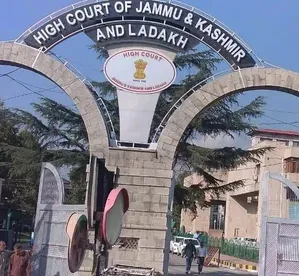
The Jammu & Kashmir High Court has granted bail to an accused charged under the Protection of Children from Sexual Offences (POCSO) Act, 2012, in a case registered at Police Station Magam, observing that the factual circumstances of a consensual adolescent relationship can be weighed while deciding a bail application — even though a minor's consent carries no legal validity under the law.
Background of the Case
The accused was arrested following an FIR registered under provisions of the Bharatiya Nyaya Sanhita (BNS) relating to kidnapping and rape, along with Section 4 of the POCSO Act. The case drew attention during trial proceedings, when the prosecutrix — the minor in question — testified before the trial court that she had voluntarily accompanied the accused, was in a romantic relationship with him, and had entered into a physical relationship of her own free will.
What the Court Observed
A bench of Justice Sanjay Dhar took note of multiple factual elements while considering the bail application. The girl's mother testified that the couple was in love, that her daughter had left home voluntarily, and that she continued to reside with the accused's family even after his arrest — with the intention of marrying him.
Referring to the Supreme Court judgment in State of Uttar Pradesh v. Anurudh & Another, Justice Dhar observed that while a minor's consent has no legal sanctity under the POCSO Act, the surrounding factual circumstances of such relationships remain relevant to the limited question of bail. The court held that, in the peculiar facts of this case, denying bail would amount to a 'perversity of justice'.
Key Legal Clarification
The high court was careful to note that all material prosecution witnesses had already been examined by the time of the bail hearing, substantially reducing the risk of witness intimidation or evidence tampering. The court explicitly clarified that the observations in its bail order are confined solely to the question of bail and will not influence the merits of the ongoing trial.
POCSO Act: The Legal Framework
The Protection of Children from Sexual Offences (POCSO) Act, 2012 is India's comprehensive legal framework for protecting individuals under the age of 18 from sexual assault, harassment, and exploitation. It is a gender-neutral statute that treats any sexual act with a minor as a criminal offence, regardless of claimed consent — a provision that remains unchanged by this bail ruling.
Significance and What Comes Next
This ruling does not set a precedent that dilutes the POCSO Act's absolute bar on minor consent; courts have consistently maintained that distinction. However, it reflects a growing line of judicial reasoning — mirroring similar observations by courts in other states — that contextual factors in adolescent relationships may inform bail decisions without undermining the trial process. The case will continue before the trial court, where the accused must still face the charges on their merits.
Point of View
And conflating the two risks normalising a judicial bypass of POCSO's intent. Accountability here rests with trial courts to ensure the bail rationale does not seep into the merits judgment.
NationPress
29 Jun 2026
Frequently Asked Questions
Why did the J&K High Court grant bail in a POCSO case?
The court granted bail because the prosecutrix herself testified that she had voluntarily accompanied the accused and was in a consensual romantic relationship with him. Justice Sanjay Dhar held that, given these specific circumstances and the fact that all key witnesses had already been examined, denying bail would amount to a 'perversity of justice'.
Does this ruling weaken the POCSO Act?
No. The court explicitly clarified that its observations are limited to the bail question and will not affect the merits of the ongoing trial. The POCSO Act's position that a minor's consent has no legal validity remains unchanged.
What charges does the accused face?
The accused was charged under provisions of the Bharatiya Nyaya Sanhita (BNS) relating to kidnapping and rape, as well as Section 4 of the POCSO Act, following an FIR registered at Police Station Magam in Jammu & Kashmir.
What Supreme Court judgment did the J&K High Court rely on?
The court cited the Supreme Court's ruling in State of Uttar Pradesh v. Anurudh & Another, which held that while minor consent has no legal sanctity under POCSO, the factual circumstances of an adolescent relationship can be considered at the bail stage.
What happens next in this case?
The trial will continue before the competent trial court, where the accused must face the charges on their merits. The bail order has no bearing on the final outcome of the case.