Karnataka Cabinet expansion sparks Congress dissent, Shivakumar urges patience
Synopsis
Karnataka's long-delayed Cabinet expansion finally happened — and immediately blew up. With 20 ministers inducted but dozens of senior MLAs left out, dissent has erupted across districts, resignation threats are on the table, and CM Shivakumar is leaning on his own political biography to hold the Congress flock together.
Key Takeaways
Shivakumar appealed for patience on 3 August after the Cabinet expansion triggered widespread dissent within the Congress.
The Congress high command approved the induction of 20 legislators as ministers, ending months of political uncertainty.
Six-time MLA Tanveer Sait and five-time MLA Hampanagouda Badarli are among senior legislators who were passed over and expressed disappointment.
Supporters of Govindarajanagar MLA Priya Krishna staged protests in Bengaluru; legislators from Kolar, Chikkaballapur, Gadag , and Vijayanagar districts also raised grievances.
The Congress high command reportedly dropped Mankal S.
Vaidya at the last minute, inducting S.S.
Mallikarjun instead.
Nagendra is expected to draw Opposition fire over the alleged Karnataka Maharshi Valmiki Scheduled Tribes Development Corporation scam.
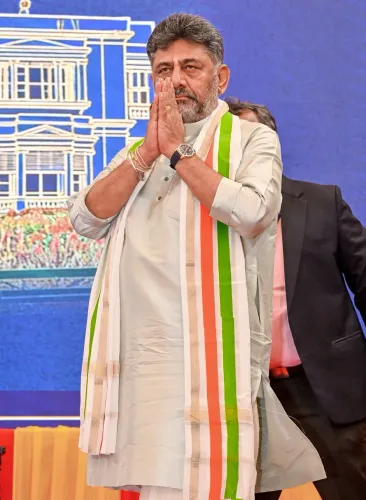
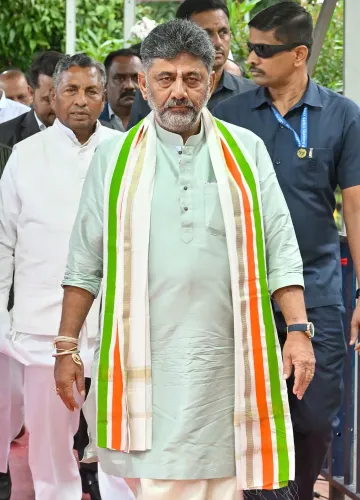
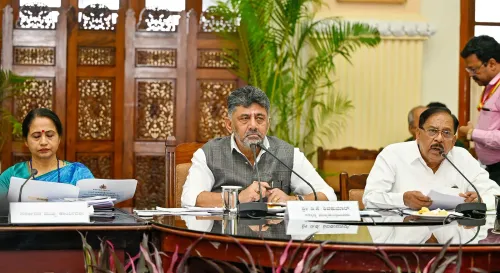
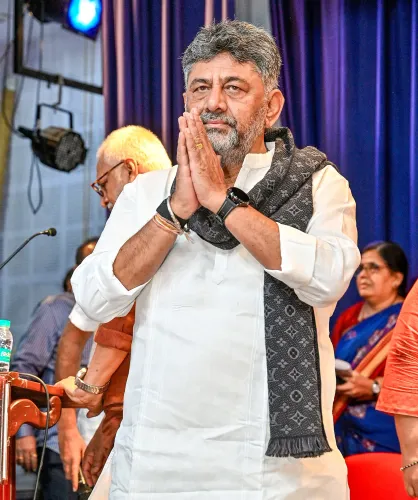
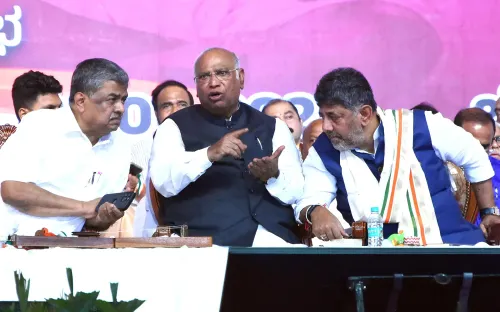
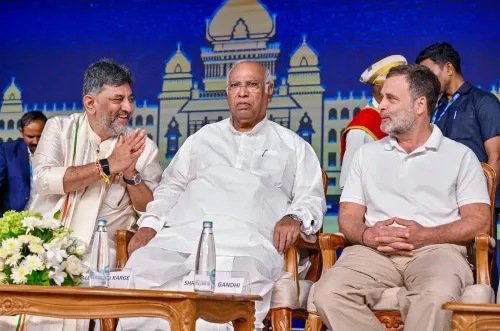
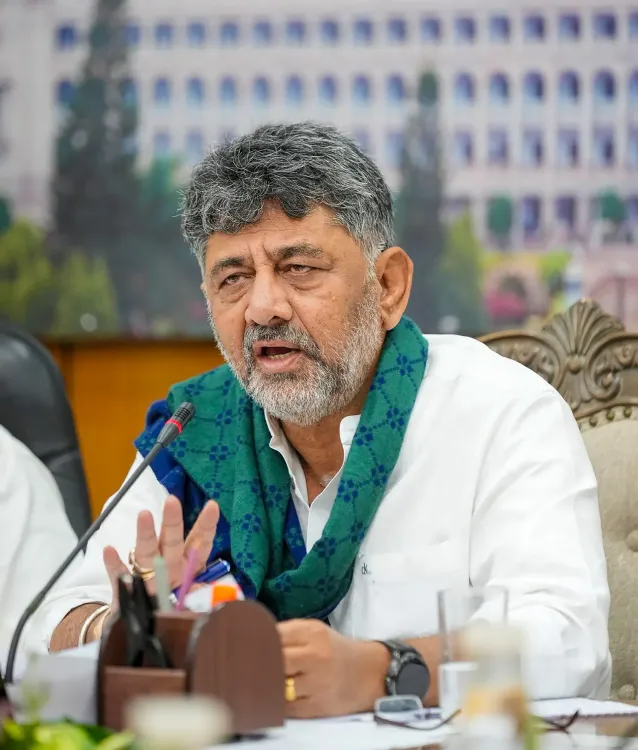
Karnataka Chief Minister D.K. Shivakumar on Monday, 3 August appealed to disgruntled Congress legislators to exercise patience after the long-awaited Karnataka Cabinet expansion triggered protests, resignation threats, and widespread disappointment among lawmakers who failed to secure ministerial berths. The Congress high command approved the induction of 20 legislators as ministers, ending months of political suspense — but the announcement immediately opened fresh fault lines within the ruling party.
Shivakumar's Appeal to the Ranks
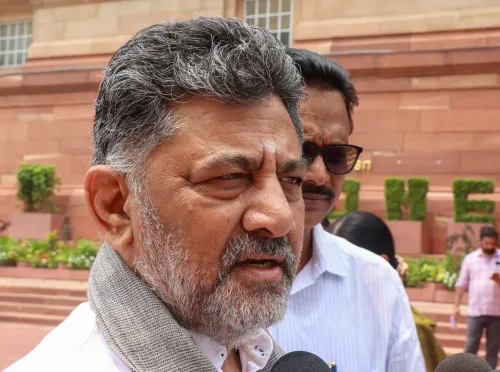
Addressing reporters before heading to Lok Bhavan to submit the final list, Shivakumar acknowledged that many senior and deserving legislators had been left out. 'I am now heading to Lok Bhavan after sending the final list there. There are many deserving and senior leaders. I do not deny that. However, the party has to take decisions based on various considerations,' he said.
Drawing on his own political biography, the Chief Minister sought to reassure the discontented. 'I was not inducted into the Cabinet in 2004. Even during former Chief Minister Siddaramaiah's tenure, I remained out of the Cabinet for a long time. I remained patient, and it is because of that patience that I am in this position today,' Shivakumar said, urging colleagues to trust the process.
Voices of Dissent Across the State
Despite the appeal, discontent surfaced from multiple corners of Karnataka. Six-time MLA Tanveer Sait, who was passed over for a Cabinet berth, said he would consult his supporters before deciding his next move. 'Ever since I was attacked, my party workers have stood firmly behind me. They have been offering prayers for me. They are my strength. I will decide after consulting my supporters,' Sait said.
Five-time MLA Hampanagouda Badarli voiced frustration over the absence of representation for Raichur district in the expanded ministry, saying the region had been ignored despite fielding senior leaders. In Bengaluru, supporters of Govindarajanagar MLA Priya Krishna staged protests after neither he nor his father, senior Congress MLA M. Krishnappa, found a place in the Cabinet — despite expectations that at least one of them would be accommodated.
Legislators from Kolar and Chikkaballapur districts are scheduled to meet on Tuesday to discuss what they describe as inadequate regional representation. Congress MLAs from Gadag and Vijayanagar districts have similarly alleged that their constituencies were overlooked despite repeated demands.
Last-Minute Changes and a Controversial Inclusion
The Congress high command reportedly dropped Mankal S. Vaidya from the final ministerial list at the last minute, replacing him with former minister S.S. Mallikarjun. The eleventh-hour reshuffle added to the sense of grievance among aspirants and their supporters, with one party worker allegedly consuming poison in protest, according to reports.
The inclusion of senior Congress MLA B. Nagendra has emerged as one of the more contentious decisions. The Opposition is expected to target the government over the alleged Karnataka Maharshi Valmiki Scheduled Tribes Development Corporation scam, in which Nagendra has reportedly been linked.
What This Signals for the Congress Government
This is not the first time a Karnataka Cabinet expansion has generated internal turbulence, but the scale of visible dissent — spanning multiple districts, senior multi-term MLAs, and threats of Assembly membership resignations — underscores the challenge of managing a large legislative majority with a limited number of ministerial posts. The Congress, which swept to power in 2023 with a comfortable majority, now faces the classic governing-coalition dilemma: satisfying regional, caste, and seniority expectations within constitutional constraints on Cabinet size.
How the party high command and Chief Minister Shivakumar manage the fallout in the coming days will be closely watched, particularly ahead of local body elections and any future realignment within the state unit.
Point of View
Regional, and factional promises, someone was always going to be left out — and the Congress high command's last-minute list changes have only amplified the sense of arbitrary exclusion. The inclusion of B. Nagendra, given the Valmiki Corporation scam cloud, suggests the party weighed political loyalty over reputational risk, handing the Opposition a ready-made attack line. Shivakumar's patience sermon may buy short-term calm, but unless the party creates credible alternative pathways — board appointments, party posts, committee roles — the dissent risks hardening into factional blocs ahead of the next electoral cycle.
NationPress
18 Sept 2026
Frequently Asked Questions
What triggered the Congress dissent after the Karnataka Cabinet expansion?
The Karnataka Cabinet expansion on 3 August inducted 20 legislators as ministers, but left out several senior and multi-term MLAs, triggering protests, resignation threats, and widespread disappointment. Last-minute changes to the final list — including the reported dropping of Mankal S. Vaidya in favour of S.S. Mallikarjun — added to the sense of grievance.
What did CM D.K. Shivakumar say to disgruntled Congress MLAs?
Shivakumar urged discontented legislators to remain patient, drawing on his own experience of being excluded from the Cabinet in 2004 and during former CM Siddaramaiah's tenure. He said the party would create opportunities for everyone in due course and appealed for restraint.
Which legislators and districts have expressed dissatisfaction?
Six-time MLA Tanveer Sait and five-time MLA Hampanagouda Badarli are among those who expressed disappointment. Supporters of Govindarajanagar MLA Priya Krishna staged protests in Bengaluru. Legislators from Kolar, Chikkaballapur, Gadag, and Vijayanagar districts have also raised concerns about inadequate regional representation.
Why is B. Nagendra's inclusion in the Karnataka Cabinet controversial?
Senior Congress MLA B. Nagendra's induction is considered a surprising decision because the Opposition is expected to target the government over the alleged Karnataka Maharshi Valmiki Scheduled Tribes Development Corporation scam, in which Nagendra has reportedly been linked.
How many ministers were inducted in the Karnataka Cabinet expansion?
The Congress high command approved the induction of 20 legislators as ministers in the Karnataka Cabinet expansion announced on 3 August, bringing an end to months of political speculation within the ruling party.