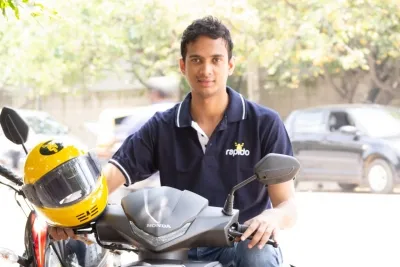
Karnataka govt moves SC to challenge High Court's bike taxi ban lift
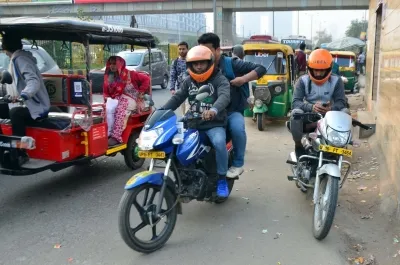
Synopsis
Karnataka's government is taking its fight over bike taxis all the way to the Supreme Court, challenging a High Court ruling that declared banning motorcycles from taxi permits unconstitutional. With Ola, Uber, and Rapido's livelihoods and operations at stake, the apex court's verdict could reshape urban mobility rules nationwide.
Key Takeaways
Karnataka Government has filed an appeal in the Supreme Court against a Karnataka High Court order lifting the ban on bike taxi services.
The appeal is filed against ANI Technologies and other cab aggregators; it is yet to be listed for hearing.
The High Court ruled that denying permits solely because a vehicle is a motorcycle violates Article 19(1)(g) of the Constitution.
The Division Bench set aside an April 2025 single-judge order that had halted bike taxi operations pending a regulatory framework.
The court clarified the state can regulate bike taxis under Section 74(2) of the Motor Vehicles Act but cannot reject applications on the basis of vehicle type alone.
The Karnataka Government has approached the Supreme Court challenging a Karnataka High Court judgment that lifted the ban on bike taxi services in the state. The appeal, filed last week against ANI Technologies and other cab aggregators, is yet to be listed for hearing before the apex court.
What the High Court Ruled
The High Court's Division Bench, comprising Chief Justice Vibhu Bakhru and Justice C. M. Joshi, had ruled that the state cannot deny permits solely on the ground that a vehicle is a motorcycle. The bench also set aside an earlier April 2025 order by a single judge that had directed bike taxi operations to be halted until the state framed a comprehensive regulatory policy.
That single-judge order had observed that bike taxi services could not operate in the absence of a formal legal framework. The Division Bench, headed by Justice B. Shyam Prasad, overturned that position after hearing appeals from taxi aggregators including Ola, Uber, and Rapido.
Key Legal Arguments
Cab aggregators and driver associations had challenged the single-judge ruling, arguing that the restriction adversely impacted livelihoods. The Division Bench agreed, holding that prohibiting motorcycles from operating as contract carriages amounted to an unreasonable restriction on the fundamental right to trade and profession under Article 19(1)(g) of the Constitution.
The court further noted that motorcycles fall within the definition of
Point of View
Even when courts have found constitutional overreach. The High Court's invocation of Article 19(1)(g) is significant — it elevates bike taxi permits from a transport policy question to a fundamental rights question, raising the stakes for every state with similar bans. What is often missed is that the real bottleneck is not legal but administrative: no state has yet produced a workable regulatory framework for bike taxis, leaving aggregators, drivers, and commuters in perpetual limbo. The Supreme Court's eventual ruling could either force states to legislate or hand the Centre a reason to step in with uniform national standards.
NationPress
19 Sept 2026
Frequently Asked Questions
Why has the Karnataka government moved the Supreme Court over bike taxis?
The Karnataka Government has challenged a Karnataka High Court judgment that lifted the state's ban on bike taxi services, arguing the state has the authority to regulate such operations. The appeal, filed against ANI Technologies and other cab aggregators, is yet to be listed before the Supreme Court.
What did the Karnataka High Court rule on bike taxis?
A Division Bench comprising Chief Justice Vibhu Bakhru and Justice C. M. Joshi ruled that the state cannot deny permits to motorcycles solely because of the vehicle type. It also held that banning motorcycles from operating as contract carriages violates the fundamental right to trade under Article 19(1)(g) of the Constitution.
Which companies are involved in the Karnataka bike taxi case?
The case involves major cab aggregators including Ola, Uber, and Rapido, as well as ANI Technologies. These companies and associated driver associations had challenged an earlier single-judge order that had halted bike taxi operations in Karnataka.
Can the Karnataka government still regulate bike taxis?
Yes. The High Court clarified that the state retains authority to regulate bike taxi operations and impose conditions under Section 74(2) of the Motor Vehicles Act. However, it cannot reject permit applications solely on the ground that the vehicle is a motorcycle.
What was the April 2025 single-judge order about?
In April 2025, a single judge directed that bike taxi operations be halted until the state framed a comprehensive regulatory policy, observing that such services could not legally operate without a formal framework. The Division Bench later set aside this order.