Karnataka CM Sanctions Prosecution of IAS Officer in KPSC Scam
Synopsis
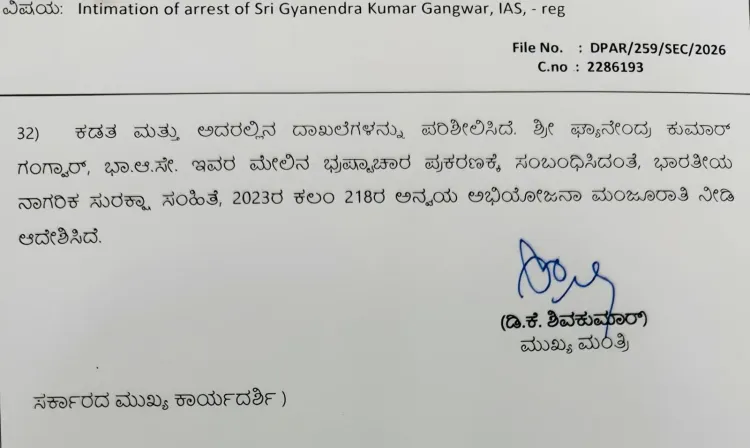
The Karnataka government has sanctioned prosecution of IAS officer Gyanendra Kumar Gangwar in a KPSC recruitment corruption case. Chief Minister DK Shivakumar declared zero tolerance for corruption that undermines public recruitment credibility and the futures of young job aspirants.
Key Takeaways
The Karnataka government has granted prosecution sanction against IAS officer Gyanendra Kumar Gangwar in a KPSC recruitment corruption case .
Chief Minister DK Shivakumar stated 'no room for corruption, no protection for the guilty' in an official post on 24 October 2026 .
The government declared it will not tolerate acts that 'play with the future of the youth' or undermine the credibility of public recruitment systems.
The Karnataka Public Service Commission (KPSC) has faced allegations of paper leaks and favouritism in recruitment since the 2010s .
Prosecution sanction for an IAS-rank officer requires explicit government approval, making this a significant administrative and legal step.
Progress of court proceedings and potential structural reforms to KPSC examination processes remain the key developments to watch.
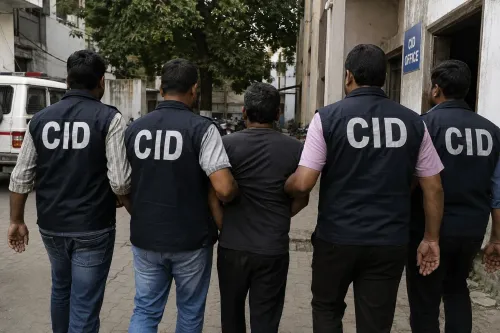
No shelter for the corrupt — that is the message the Chief Minister's Office of Karnataka sent on Saturday, 24 October 2026, as the state government announced it had granted prosecution sanction against IAS officer Gyanendra Kumar Gangwar in connection with a corruption case tied to the Karnataka Public Service Commission (KPSC) recruitment scandal. The move targets a serving bureaucrat and signals the ruling dispensation's willingness to pursue accountability at the officer level, not just the clerical.
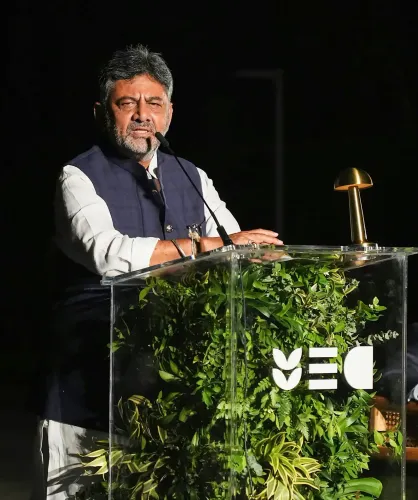
The official statement, attributed to Chief Minister DK Shivakumar, declared in Kannada: 'Bhrashtacharakke avakashavilla, tappitasthararige rakshane illa' — 'No room for corruption, no protection for the guilty.' The statement further said the government 'will not tolerate any act that plays with the future of the youth' and has taken corruption that 'undermines the credibility of the public recruitment system' with the utmost seriousness.
The KPSC Scandal and What Brought It Here
The Karnataka Public Service Commission is a constitutional body entrusted with conducting merit-based recruitment for the state's civil services. Its integrity is foundational — tens of thousands of young aspirants stake years of preparation on the assumption that results are clean. Allegations of paper leaks and favouritism inside KPSC have surfaced periodically since the 2010s, triggering state vigilance probes and pushing successive governments into cycles of inquiry announcements and reform pledges.
The decision to sanction prosecution against a named IAS-rank officer — rather than lower-level functionaries — carries particular weight. Prosecution sanctions for serving or retired officers of the Indian Administrative Service require explicit government approval, making this a deliberate, high-visibility political and legal step.
Shivakumar's Anti-Corruption Pitch
The statement carries the signature of Deputy Chief Minister DK Shivakumar, a senior Indian National Congress leader who also oversees finance and major administrative decisions for the state. His framing is pointed: transparency and honesty in governance are a 'commitment,' and acts that bring a 'black mark on the administration will not be condoned.' For a government that has faced its own corruption allegations since coming to power, the prosecution sanction offers a concrete, court-verifiable action — harder to dismiss than a press conference.
Across India, state governments have periodically sanctioned prosecutions in public service commission scams as a credibility-restoration exercise, with mixed results in actual convictions. Karnataka's track record on such follow-through will now be under scrutiny.
What Job Aspirants Are Watching
For the lakhs of civil services candidates who have appeared or are preparing for KPSC examinations, this development is more than symbolic. Every irregularity in a public recruitment body erodes trust in the system itself — delaying careers, draining savings spent on coaching, and corroding faith in meritocracy. The prosecution sanction reopens the question of how deep the irregularity went and whether structural reforms to examination conduct will follow.
The government has stated its intent clearly. Whether the prosecution proceeds swiftly through Karnataka's courts — and whether additional accountability measures follow — will determine if this is a turning point or another entry in a long ledger of unfulfilled promises to India's aspiring class.
Point of View
This is a calculated move: the optics of action against a named officer help counter persistent anti-incumbency narratives around governance failures. Yet the broader pattern across Indian states shows that prosecution sanctions frequently stall at the court stage without conviction — the true test of Shivakumar's 'zero tolerance' pledge will be whether this case is fast-tracked or quietly buries itself in procedural delay. If accompanied by structural reforms at KPSC, this could mark a genuine inflection; if not, it risks becoming one more headline in a long genre Karnataka voters know well.
NationPress
24 Oct 2026
Frequently Asked Questions
Who is Gyanendra Kumar Gangwar and why is he facing prosecution in Karnataka?
Gyanendra Kumar Gangwar is an IAS officer against whom the Karnataka government has granted prosecution sanction in connection with a corruption case linked to the KPSC recruitment scandal . The charges relate to irregularities in the public service commission's recruitment process.
What is the KPSC recruitment scandal in Karnataka?
The Karnataka Public Service Commission (KPSC) recruitment scandal refers to alleged irregularities — including paper leaks and favouritism — in the state's civil services recruitment process, which have been investigated periodically since the 2010s .
What does prosecution sanction for an IAS officer mean?
Prosecution sanction is mandatory government approval required before a serving or retired IAS officer can be prosecuted in court. Without this sanction, cases cannot proceed — making the Karnataka government's decision a significant legal and administrative step.
What did CM DK Shivakumar say about the KPSC corruption case?
CM DK Shivakumar stated that 'there is no room for corruption' in the government and that 'acts playing with the future of the youth will not be tolerated,' reaffirming the administration's commitment to transparency and integrity in governance.
How does this affect KPSC exam aspirants in Karnataka?
For lakhs of civil services aspirants in Karnataka, the prosecution sanction signals that the government is acting against those who compromised merit-based recruitment. Substantive relief will depend on the pace of court proceedings and any structural reforms to the KPSC examination process.