Is Kejriwal the Real Cause of Delhi's Air Pollution Crisis?
Synopsis
Delhi's Lieutenant Governor, V.K. Saxena, has issued a remarkable critique of Arvind Kejriwal, blaming him for the city's air pollution issues. This letter reveals a troubling political landscape and raises questions about governance and accountability in Delhi.
Key Takeaways
Delhi's air pollution crisis is a pressing concern linked to governance failures.
The L-G's letter criticizes Kejriwal's lack of accountability.
Political rivalries are undermining collaborative solutions.
Infrastructure projects are crucial to improving public transport and air quality.
Public engagement in governance is essential for accountability.
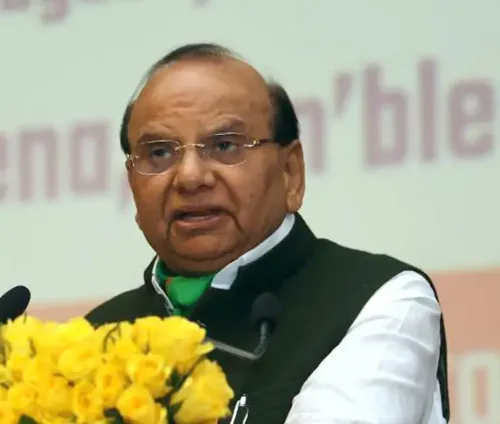
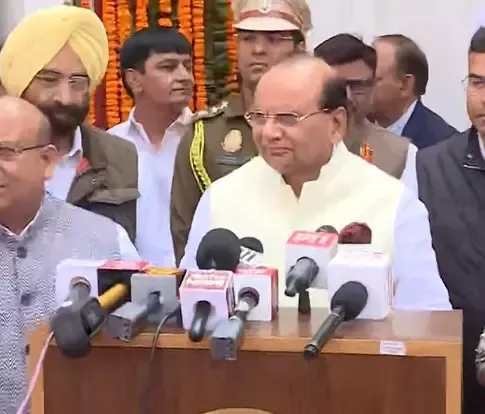
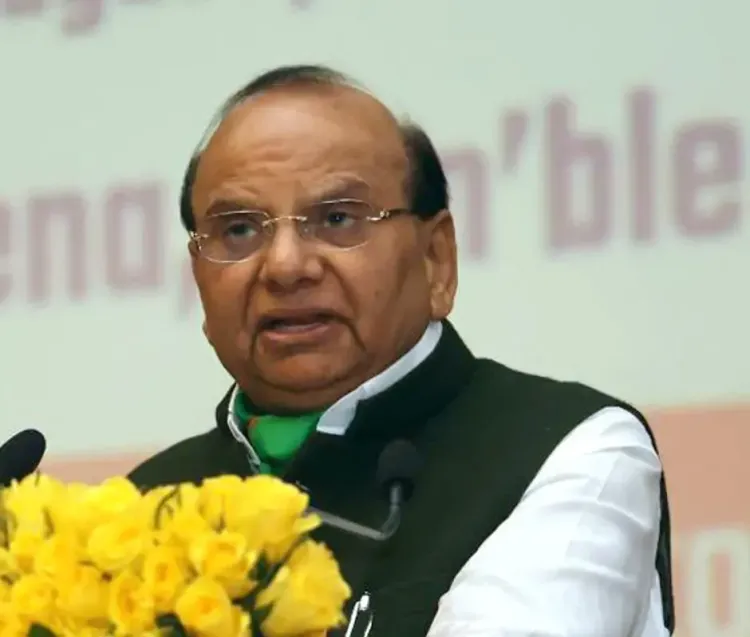
New Delhi, Dec 23 (NationPress) The Lieutenant Governor of Delhi, V.K. Saxena, addressed former Chief Minister and AAP leader, Arvind Kejriwal, in a sharply worded letter, attributing the ongoing air pollution crisis to his administration and labeling him a prime example of the phrase “Master of announcements and execution of none”.
The L-G criticized the AAP's “petty politics” and “propaganda war” that aim to undermine the present Delhi government, which is striving to tackle the city’s longstanding issues.
Pointing fingers at Kejriwal for halting crucial projects like Metro Phase-IV, the Regional Rapid Transit System (RRTS), and the deployment of e-buses—initiatives that could have enhanced public transportation and mitigated air pollution—Saxena remarked, “If you had collaborated instead of clashing with neighboring states and the Union government, Delhi wouldn't be grappling with this air pollution catastrophe today.”
He recounted a conversation from 2002 where Kejriwal dismissed the pollution problem as a “15-20 day phenomenon” that would fade from media and public attention.
The L-G also rebuked Kejriwal and AAP officials for continuing their petty politics without learning from their significant electoral loss in February.
Saxena stated, “Since your election defeat, you and your party have acted as adversaries rather than a constructive opposition. The state of Delhi’s roads, streets, and neighborhoods littered with garbage and sewage serves as a clear testament to your failures.” He emphasized the city's current infrastructural woes, including Yamuna pollution, leaking drinking water pipelines, and damaged roads, as a result of the AAP government's shortcomings.
He also highlighted that Kejriwal has set a remarkable example of governance focused on announcements, advertisements, and social media posts without any substantial achievements.
Saxena accused the Kejriwal administration of systematically undermining political ideals, constitutional values, and democratic norms, stating, “To escape accountability, Kejriwal has never signed any file.”
He criticized the decision to abandon weekly Cabinet meetings, noting that the 15-page communication also indicated that AAP leaders often insulted the L-G whenever he sought to serve the public's interest.
In his letter, Saxena lamented that he could have addressed these issues directly to Kejriwal, but the latter has not met him since the AAP's electoral loss, even going so far as to block his phone number to prevent communication.
Point of View
I believe that the exchange between the L-G and Kejriwal highlights the ongoing challenges faced by Delhi's governance. It is crucial for political leaders to prioritize the city's pressing issues over personal rivalries. The air quality crisis is a shared concern that should compel all stakeholders to collaborate for effective solutions. We must encourage constructive dialogue rather than political discord.
NationPress
6 Oct 2026
Frequently Asked Questions
What are the main accusations against Arvind Kejriwal?
The Lieutenant Governor accuses Kejriwal of contributing to Delhi's air pollution crisis by halting essential infrastructure projects and engaging in petty politics.
How has the AAP responded to these accusations?
The AAP has not publicly responded to the letter yet, but they often criticize the L-G's interventions in city governance.
What are the implications for Delhi's air quality?
The ongoing political conflict may hinder collaborative efforts needed to address the pressing air pollution crisis affecting millions in Delhi.