Kejriwal Questions PM Modi Over Alleged Protection of Powerful Figures
Synopsis
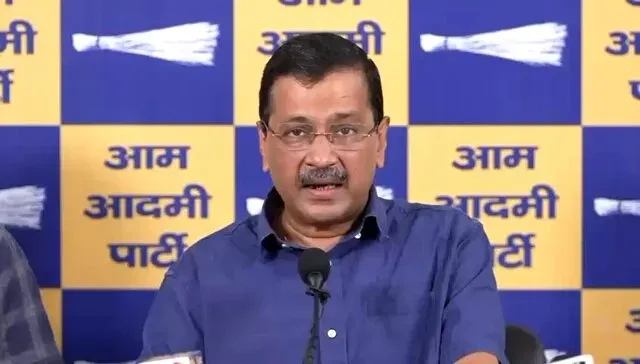
AAP convenor Arvind Kejriwal on 2 July 2026 alleged that Prime Minister Modi is shielding powerful unnamed individuals, citing statements by BJP's Brij Bhushan Sharan Singh and Baba Bageshwar expressing fear of reprisal if they named those involved in an alleged temple-offering theft.
Key Takeaways
Kejriwal posted on 2 July 2026 alleging PM Modi is protecting influential figures from accountability.
Brij Bhushan Sharan Singh , a senior BJP leader, is quoted as fearing consequences if he speaks out.
Baba Bageshwar is cited as warning that naming people in the alleged chadhawa (temple offering) theft could put him at risk.
Kejriwal argued that the reluctance of such powerful figures to name names points to even more influential persons being protected.
The post continues AAP 's sustained anti-corruption rhetorical campaign against the BJP -led central government.
No formal response from the BJP , Brij Bhushan , or Baba Bageshwar has been reported as of the time of publication.
AAP convenor Arvind Kejriwal on Thursday, 2 July 2026, took to X to allege that Prime Minister Narendra Modi is shielding influential individuals from accountability, citing statements attributed to BJP leader Brij Bhushan Sharan Singh and religious preacher Dhirendra Krishna Shastri — popularly known as Baba Bageshwar — to argue that even powerful figures are afraid to name those at the top of an alleged network.
Context
In his post, Kejriwal quoted Brij Bhushan Sharan Singh as having said, 'Maine munh khola toh mujhe chhodenge nahin' ('If I open my mouth, they will not spare me'). He also cited Baba Bageshwar as saying, 'Maine kuch bola toh mere upar aanch aa sakti hai' ('If I say something, I could face consequences'), in the context of alleged theft of temple offerings, or chadhawa.
Kejriwal drew a pointed conclusion from these statements: 'If such big and powerful people are afraid to name names, you can imagine how powerful the people are whom the Prime Minister is busy protecting.'
Policy Backdrop
Brij Bhushan Sharan Singh is a long-serving BJP leader and former president of the Wrestling Federation of India, who has faced multiple allegations over the years. Dhirendra Krishna Shastri, head of the Bageshwar Dham temple in Madhya Pradesh, periodically comments on political and social issues and commands a large religious following.
The alleged chadhawa (temple offering) theft case that Baba Bageshwar alluded to has drawn attention to the intersection of religious institutions and political accountability. Opposition parties have long argued that the BJP-led central government uses its influence to insulate politically connected individuals from scrutiny.
Stakeholders and Impact
The post directly implicates the office of the Prime Minister in shielding unnamed but allegedly powerful individuals — a charge the ruling establishment has not, as of this report, publicly responded to. Temple devotees and civil society groups tracking religious-institution governance are among those watching the chadhawa case closely.
AAP has built much of its political identity on an anti-corruption platform since its founding, and Kejriwal's framing — using statements from a BJP leader and a prominent religious figure — is designed to broaden the coalition of voices questioning accountability at the highest levels of government.
What's Next
Political observers will watch for any response from Brij Bhushan Sharan Singh or Baba Bageshwar clarifying or retracting the statements Kejriwal cited, as well as any formal parliamentary or investigative references to the alleged chadhawa theft. If either figure elaborates publicly, the controversy could escalate into a demand for a probe with opposition backing.
For AAP, the post is part of a sustained rhetorical campaign ahead of upcoming electoral cycles, positioning the party as the primary challenger to BJP on governance and accountability — a narrative arc that predates the 2024 general election and shows no sign of abating.
Point of View
He shifts the burden of proof to the Prime Minister's office. This fits a broader AAP pattern of using the BJP's own internal tensions as opposition ammunition, a tactic that gained traction during the wrestlers' protest episode and the various sports-body controversies of recent years. Whether the post moves beyond social-media churn will depend on whether either cited figure responds — and on whether any formal investigation into the alleged chadhawa theft gains institutional momentum.
NationPress
1 Oct 2026
Frequently Asked Questions
What did Kejriwal say about PM Modi on 2 July 2026?
Kejriwal alleged that PM Modi is busy protecting powerful unnamed individuals, citing statements by BJP leader Brij Bhushan Sharan Singh and Baba Bageshwar in which both expressed fear of reprisal if they named those involved in an alleged temple-offering theft.
Who is Brij Bhushan Sharan Singh and what did he say?
Brij Bhushan Sharan Singh is a senior BJP leader and former president of the Wrestling Federation of India. Kejriwal quoted him as saying 'If I open my mouth, they will not spare me,' suggesting fear of consequences for speaking out.
What is the chadhawa theft case Baba Bageshwar mentioned?
Baba Bageshwar, the religious preacher heading Bageshwar Dham in Madhya Pradesh, alluded to alleged theft of temple offerings (chadhawa) involving very influential people, but said naming them could put him at risk. Specific case details remain unverified.
Has the BJP responded to Kejriwal's allegations?
As of the time of publication, no formal response from the BJP, Brij Bhushan Sharan Singh, or Baba Bageshwar has been reported.
Why is Kejriwal raising these allegations now?
AAP has consistently positioned itself on an anti-corruption platform, and this post continues a sustained rhetorical campaign against the BJP-led central government on accountability — a pattern that predates the 2024 general election.