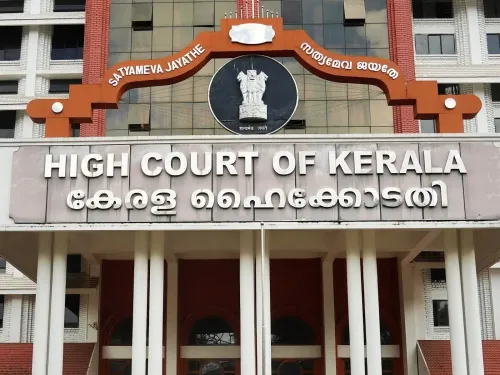
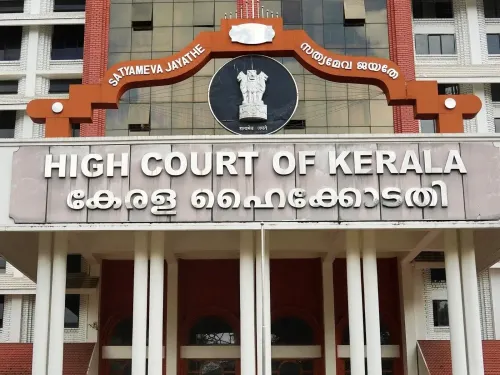
Kerala HC denies relief to 20,000 poll officials over missed postal ballots
Synopsis
Over 20,000 government employees who ran Kerala's April 9 elections reportedly couldn't vote in them — and the Kerala High Court has now declined to step in, just days before counting. The episode exposes a systemic blind spot: the very machinery of democracy may be leaving its own operators without a vote.
Key Takeaways
The Kerala High Court on 30 April declined interim relief to election duty officials who alleged they missed their postal ballots in the 9 April Kerala Assembly elections .
Jayakumar ruled that "interference by way of an interim order is not warranted" at this advanced stage of the electoral process.
Petitioners, including the Joint Council of State Service Organisations and Kerala NGO Union , claimed nearly 6,000 officials were without ballots; broader estimates put the figure at over 20,000 .
The Election Commission of India attributed non-receipt to defective or unsubmitted applications and argued the matter should be raised through election petitions.
The court clarified that writ petitions remain maintainable in appropriate cases, citing the Supreme Court's ruling in Election Commission of India v.
Vote counting is scheduled for Monday , making electoral relief effectively impossible at this stage.
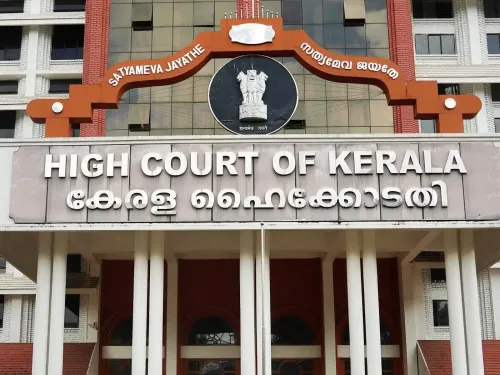
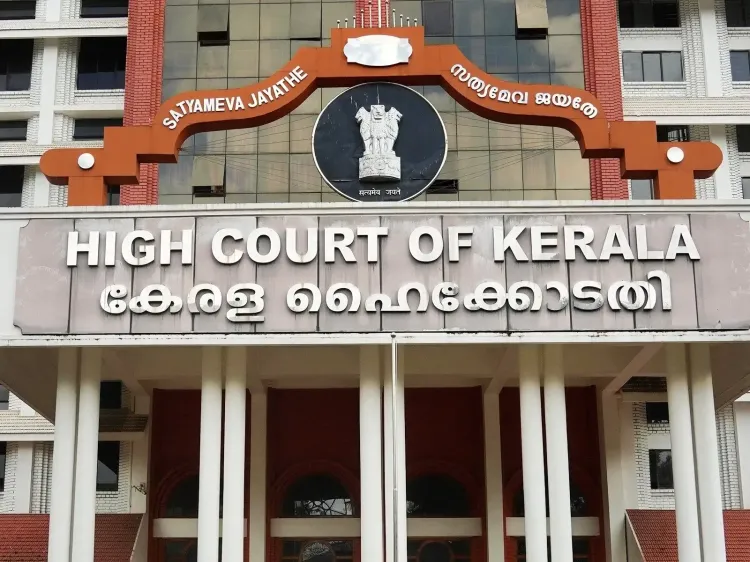
The Kerala High Court on Thursday, 30 April declined to grant interim relief to thousands of election duty officials who alleged they were denied the opportunity to vote in the Kerala Assembly elections held on 9 April. With vote counting scheduled for Monday, Justice K.V. Jayakumar ruled that judicial intervention at such an advanced stage of the electoral process was not warranted.
What the Petitioners Alleged
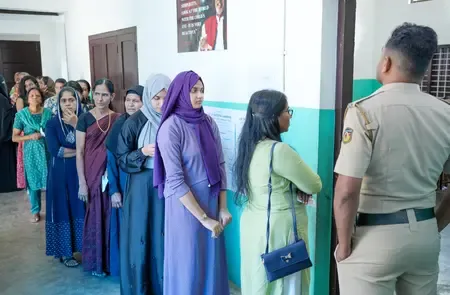
A batch of writ petitions was filed by organisations including the Joint Council of State Service Organisations and the Kerala NGO Union, representing government employees deployed on poll duty. The petitioners alleged that nearly 6,000 officials were left without postal ballots, while broader estimates placed the total number of disenfranchised personnel at over 20,000. Many claimed they had applied for postal ballots within the stipulated deadline but never received them — leaving them unable to exercise their franchise while on election duty.
What the Court Ruled
Justice K.V. Jayakumar observed that "interference by way of an interim order is not warranted" at this stage of the electoral process, effectively shutting the door on immediate relief. The ruling came despite earlier judicial concern over the matter — in previous hearings, the court had flagged the seriousness of denying voting rights to polling officials and had directed the Election Commission of India (ECI) to take corrective steps. The Commission had subsequently issued instructions to facilitate voting by such personnel, but petitioners maintained that these measures fell short as deadlines lapsed while officials remained on duty.
The ECI's Position
The Election Commission of India defended its process, stating that all necessary steps had been taken in accordance with the law. It attributed instances of non-receipt to defective or unsubmitted applications by the concerned officials. The ECI also raised a procedural objection, arguing that such grievances should be pursued through election petitions rather than writ proceedings.
Legal Door Left Open
On the question of maintainability, the court offered an important clarification — writ petitions remain a valid legal avenue in appropriate cases, citing the Supreme Court's ruling in Election Commission of India v. Ashok Kumar. While this preserves the legal recourse available to the affected officials beyond counting day, any immediate electoral remedy has been firmly foreclosed. The episode raises a fundamental question about the integrity of the electoral process: in a system built on universal franchise, the very officials who administer elections were reportedly unable to participate in them.
Point of View
Not judicial. The Election Commission had prior warning, the court had already flagged the issue in earlier hearings, and corrective directions were issued — yet over 20,000 officials reportedly still fell through the cracks. Blaming defective applications is a convenient deflection; a robust postal ballot system should have built-in verification and follow-up, not a one-shot submission window. The irony is stark: the people most responsible for ensuring others vote may have been systematically denied that right themselves.
NationPress
20 Sept 2026
Frequently Asked Questions
Why did the Kerala High Court deny relief to election duty officials?
The Kerala High Court ruled that judicial interference through an interim order was not warranted at such an advanced stage of the electoral process, with vote counting just days away. Justice K.V. Jayakumar held that the court could not step in without disrupting the electoral timeline.
How many election officials were allegedly denied postal ballots in Kerala?
Petitioners estimated that nearly 6,000 officials were left without postal ballots, while broader estimates placed the total number of affected personnel at over 20,000 across the state.
What was the Election Commission of India's response to the allegations?
The ECI stated that all necessary steps had been taken in accordance with the law. It attributed instances of non-receipt to defective or unsubmitted applications and argued that affected officials should pursue their grievances through election petitions rather than writ proceedings.
Can the affected officials still take legal action after the election results?
Yes. The Kerala High Court clarified that writ petitions remain maintainable in appropriate cases, citing the Supreme Court's ruling in Election Commission of India v. Ashok Kumar. Officials can potentially pursue legal remedies through election petitions after counting.
When were the Kerala Assembly elections held and when is counting scheduled?
Voting in the Kerala Assembly elections took place on 9 April. Vote counting is scheduled for Monday, 5 May, making any immediate electoral remedy effectively impossible following the court's refusal to grant interim relief.