Rising UV Radiation Levels Prompt Orange Alert in Kerala

Synopsis
Kerala faces a significant rise in UV radiation, leading to an orange alert in six districts. Authorities emphasize the need for public caution against direct sunlight exposure, especially during peak hours.
Key Takeaways
UV levels are critically high in several districts of Kerala.
An orange alert has been issued for public safety.
Precautions are essential to avoid health risks associated with UV exposure.
Specific groups are at increased risk for UV-related health issues.
Protective measures include wearing appropriate clothing and minimizing sun exposure during peak hours.
Thiruvananthapuram, April 16 (NationPress) — The levels of Ultraviolet (UV) radiation have seen a significant increase throughout Kerala, leading the Kerala State Disaster Management Authority (KSDMA) to issue an orange alert across six districts. Residents are being advised to limit their exposure to direct sunlight.
As per data published on Thursday, districts such as Pathanamthitta, Alappuzha, Kottayam, Idukki, Kollam, and Palakkad have reported a UV index of 8, which is deemed high and poses potential health risks.
Areas affected by the orange alert include Kottarakkara, Konni, Chengannur, Changanassery, Munnar, and Thrithala.
Authorities have cautioned that extended exposure to sunlight in these regions may result in sunburn, skin issues, and eye problems.
Additionally, Ernakulam (Kalamassery), Thrissur (Ollur), and Malappuram (Ponnani) recorded a UV index of 7, which has triggered a yellow alert.
Kozhikode and Wayanad reported lower UV levels at 6, but officials emphasize that vigilance is still necessary statewide.
The KSDMA has indicated that the most intense UV radiation typically occurs between 10 a.m. and 3 p.m., urging the public to minimize outdoor activities during this timeframe.
Prolonged exposure to UV rays can lead to various health complications, including sunburn, skin diseases, eye damage, and other issues, especially for at-risk groups.
Individuals at higher risk include outdoor workers, fishermen, transport personnel, tourists, cyclists, and those with existing health conditions like skin disorders, eye diseases, albinism, and weakened immune systems.
Patients undergoing cancer treatment have also been advised to take extra precautions.
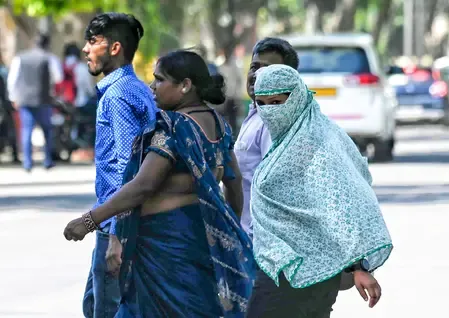
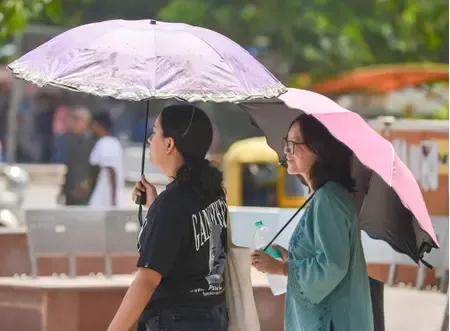
Authorities recommend protective measures such as wearing hats, using umbrellas, and donning sunglasses when outside.
Wearing loose-fitting cotton clothing and taking breaks in shaded areas while on the move can significantly reduce exposure.
Experts have noted that UV radiation levels are generally higher in high-altitude and tropical areas.
Even on clear days, harmful radiation levels can remain elevated, with reflective surfaces like water and sand further amplifying exposure.
Point of View
It is crucial to highlight the rising UV radiation levels in Kerala as a significant public health concern. The KSDMA's proactive measures demonstrate a commitment to safeguarding residents, stressing the importance of awareness and precautionary actions to mitigate health risks.
NationPress
1 Oct 2026
Frequently Asked Questions
What is the UV index level causing concern in Kerala?
The UV index has reached levels of 8 in several districts, prompting health warnings.
Which districts in Kerala are under orange alert?
The districts include Pathanamthitta, Alappuzha, Kottayam, Idukki, Kollam, and Palakkad.
What precautions should residents take?
Residents should limit outdoor exposure, wear protective clothing, hats, and sunglasses, and seek shade during peak UV hours.
Why are certain groups at higher risk?
Outdoor workers, tourists, and individuals with pre-existing health conditions are more susceptible to UV-related health issues.
What time of day is UV radiation most intense?
The most intense UV radiation typically occurs between 10 a.m. and 3 p.m.