Kerala AQI panel to examine pollution in Kochi and capital

Synopsis
Kerala's three-member panel has two weeks to investigate why agencies report different AQI figures for Kochi and Thiruvananthapuram. It will also review pollution sources and propose a system for real-time readings and health advisories.
Key Takeaways
Kerala has directed a three-member panel to study air quality in Kochi and Thiruvananthapuram .
The panel will investigate differences in AQI figures reported by agencies and assess monitoring systems.
Suresh Ramasubrahmanya Iyer will head the committee, which also includes Dr George K.
Varghese and the pollution control board chairperson.
The study will examine air quality changes over the past five years and consider sources including vehicles, construction and industry.
The committee has two weeks to submit recommendations, including proposals for real-time AQI information and health advisories.
The Kerala AQI panel will examine air pollution and discrepancies in air quality readings in Kochi and Thiruvananthapuram, with a report due in two weeks. The state government has directed the three-member expert committee to study monitoring systems, identify pollution sources and recommend corrective measures.
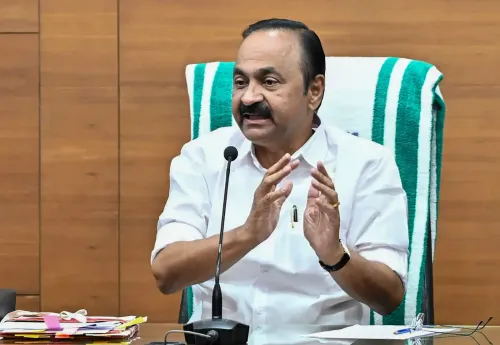
The directive was attributed to V.D. Satheesan, identified in the source report as Chief Minister. The exercise follows public concern over differing Air Quality Index figures reported by agencies for the two cities.
Panel leadership and remit
Suresh Ramasubrahmanya Iyer, Senior Fellow and Area Convenor of the Centre for Air Quality Research at The Energy and Resources Institute in New Delhi, will head the committee.
Dr George K. Varghese, Professor of Civil Engineering at NIT Calicut, is the other expert member. The Chairperson of the Kerala State Pollution Control Board will serve as convenor.
The committee has been asked to examine changes in air quality in Kochi and Thiruvananthapuram over the past five years. Its review will take climatic and geographical variations into account, alongside an assessment of how pollution is monitored.
Why AQI readings differ
A central part of the inquiry is to establish why pollution data produced by different agencies vary. The panel will assess whether existing monitoring systems are adequate and reliable and identify the reasons for differences in their findings.
The source report does not specify which agencies produced the differing figures, the size of the discrepancies or the monitoring methods involved. The committee's findings may help explain those differences; its conclusions have not yet been reported.
Consistent and reliable information matters to residents who use air quality readings to understand local conditions. The proposed review also covers how information and health advisories could be made available to the public.
Pollution sources under review
The committee's remit covers vehicular emissions, construction activity, road dust and waste burning. It will also examine industrial emissions and operations at ports and airports.
The inclusion of several potential sources means the study is not limited to a single activity or sector. The source report does not establish how much any individual source contributes to pollution in either city.
The panel will consider both Kochi and Thiruvananthapuram, while accounting for differences in their climate and geography. Its review of the previous five years is intended to provide a longer view than a single AQI reading.
Report and public information
The government has asked the committee to recommend both short-term and long-term pollution-control measures, as well as ways to strengthen the state's monitoring network. It will also propose a transparent public information system for real-time AQI figures and health advisories.
The two-week deadline applies to submission of the report; the source does not give a timetable for implementing any recommendations. The next step is for the panel to complete its assessment and submit its findings to the government.
Point of View
Rather than simply calling for a uniform figure. A public advisory system will also need clear accountability for keeping readings current and explaining their limitations.
NationPress
24 Nov 2026
Frequently Asked Questions
Why has Kerala formed an AQI expert panel?
Kerala has directed the panel to study air pollution and investigate why agencies report different AQI figures for Kochi and Thiruvananthapuram. It will also recommend ways to reduce pollution and improve monitoring.
Who is heading the Kerala air quality committee?
Suresh Ramasubrahmanya Iyer of The Energy and Resources Institute will head the three-member committee. Dr George K. Varghese and the Kerala State Pollution Control Board chairperson are its other members.
Which pollution sources will the panel examine?
The panel will examine sources including vehicle emissions, construction, road dust, waste burning and industrial emissions. Its remit also includes operations at ports and airports.
When will the Kerala AQI panel submit its report?
The committee has been given two weeks to submit its report. The source does not specify a date for implementation of its recommendations.
Will Kerala publish real-time AQI readings?
The panel has been asked to suggest a transparent public information system for real-time AQI figures and health advisories. The source does not provide an implementation timetable.