KERC Chief Meets Deputy CM Shivakumar at Krishna Residence
Synopsis
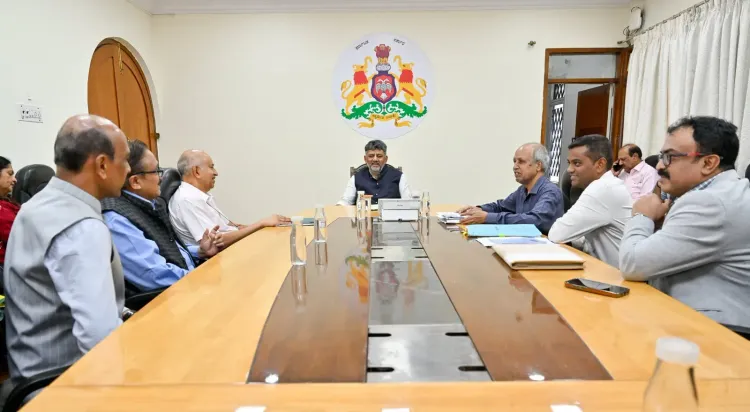
The Chairperson and Members of the Karnataka Electricity Regulatory Commission met Deputy Chief Minister D K Shivakumar at his official Bengaluru residence Krishna on 1 July 2026 for a formal consultation, signalling a significant engagement between the state's statutory power regulator and the finance-holding deputy chief minister.
Key Takeaways
The KERC Chairperson and Members held a formal consultation with Deputy CM D K Shivakumar at his official residence Krishna , Bengaluru, on 1 July 2026 .
KERC is a statutory body established in 1999 to regulate tariffs, licences, and disputes in Karnataka's electricity sector.
D K Shivakumar holds the Finance portfolio as Deputy Chief Minister, making him a key government interlocutor on power-sector economics.
Karnataka's rising electricity demand from data centres and electric vehicles has intensified focus on tariff structures and supply-cost recovery.
The specific agenda and outcomes of the meeting have not been officially disclosed.
Stakeholders — including electricity consumers and power distribution companies — will watch for follow-up tariff orders or procurement directives.
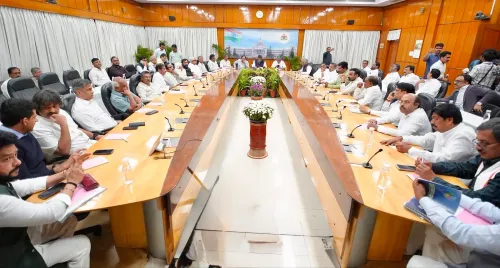
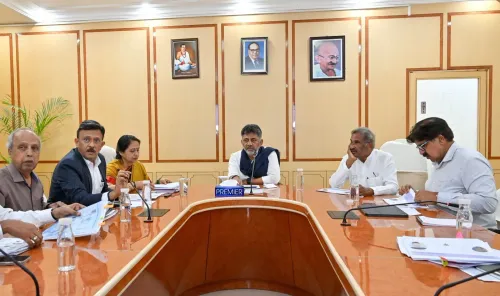
The Chief Minister's Office of Karnataka announced on Wednesday, 1 July 2026 that the Chairperson and Members of the Karnataka Electricity Regulatory Commission (KERC) called on Deputy Chief Minister D K Shivakumar at his official residence Krishna in Bengaluru for a consultation meeting.
Context
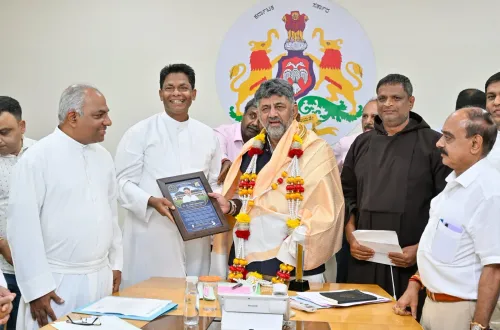
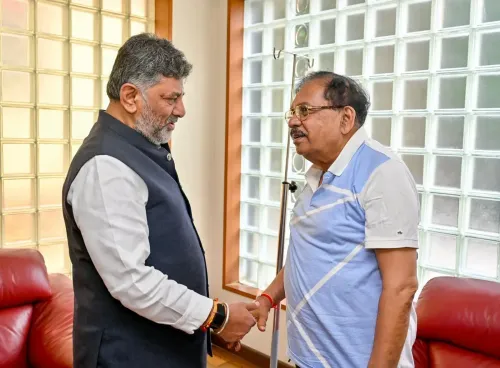
The Kannada-language post from the official CMofKarnataka account states: 'Karnataka Vidyuchakti Niyantrana Ayogada Adhyaksharu hagu Sadasyaru gruha kacheri Krishnadalli bhetimadi, samalochanae nadesidharu' — meaning the KERC Chairperson and Members visited and held consultations at the Krishna home office. The meeting was confirmed through photographs shared alongside the post, indicating a formal, in-person engagement between the state's electricity regulator and the Deputy Chief Minister.
D K Shivakumar, a senior Karnataka Congress leader, holds the Finance portfolio alongside other major administrative responsibilities as Deputy Chief Minister, making him a key interlocutor for regulatory bodies dealing with tariff economics and power sector finances.
Policy Backdrop
The Karnataka Electricity Regulatory Commission was constituted in 1999 under the Karnataka Electricity Regulatory Commission Act, in line with the Electricity Regulatory Commissions Act of 1998, to independently determine tariffs, issue licences, and adjudicate disputes in the state's electricity sector. As a statutory body, KERC operates at arm's length from the government but regularly engages with the administration on matters of sector-wide significance.
Karnataka governments have periodically convened such consultations with KERC ahead of tariff filings and renewable-energy procurement decisions. Key issues in recent years have included supply-cost recovery, cross-subsidy rationalisation, green power purchase obligations, and rising electricity demand driven by data centres and electric-vehicle adoption across the state. Meetings of this nature typically occur when distribution utilities face viability gaps or when central electricity rules require policy realignment.
Stakeholders and Impact
The primary stakeholders in any KERC-government engagement are electricity consumers across Karnataka — both domestic and industrial — and the state's power distribution companies. Tariff orders and procurement policies that emerge from such deliberations directly affect household electricity bills, industrial competitiveness, and the financial health of distribution utilities.
Karnataka's large and growing industrial base, including its technology sector concentrated in Bengaluru, makes power pricing and supply reliability a matter of significant economic consequence. Cross-subsidy structures that subsidise agricultural and domestic consumers while charging higher rates to commercial users are a recurring point of regulatory and policy discussion.
What's Next
Observers will watch for any follow-up directives from the state government on power procurement strategy, subsidy budgeting, or changes to retail tariff structures in KERC's next tariff order or discussion paper. Similar consultative meetings in other states have preceded formal tariff revision petitions or government policy circulars on green energy obligations. The outcome of Wednesday's consultation at Krishna has not been officially disclosed.
Point of View
Likely touching on pending tariff or procurement decisions. Shivakumar's dual role overseeing both finance and political management of the Congress government in Karnataka positions him as the natural bridge between regulatory compulsions and fiscal constraints. Karnataka's electricity sector faces structural pressures — rising renewable procurement costs, subsidy obligations, and demand from new-age industries — that require close coordination between the regulator and the treasury. This meeting fits a broader pattern of state governments tightening their informal oversight of statutory regulators during periods of tariff stress or policy transition.
NationPress
30 Sept 2026
Frequently Asked Questions
Why did KERC meet Deputy CM D K Shivakumar?
The Chairperson and Members of the Karnataka Electricity Regulatory Commission called on Deputy CM D K Shivakumar at his Bengaluru residence Krishna on 1 July 2026 for a formal consultation, though the specific agenda was not officially disclosed.
What is the Karnataka Electricity Regulatory Commission (KERC)?
KERC is a statutory body established in 1999 under the Karnataka Electricity Regulatory Commission Act to independently determine electricity tariffs, issue licences, and adjudicate disputes in Karnataka's power sector.
What portfolio does D K Shivakumar hold in the Karnataka government?
D K Shivakumar is the Deputy Chief Minister of Karnataka and holds the Finance portfolio, among other major administrative responsibilities, in the Congress-led state government.
What issues does KERC typically discuss with the Karnataka government?
KERC-government consultations typically cover electricity tariff filings, supply-cost recovery, cross-subsidy levels, renewable energy purchase obligations, and the financial viability of power distribution companies.
Will Karnataka electricity tariffs change after this meeting?
No official announcement on tariff changes has been made following the 1 July 2026 meeting. Any changes would be reflected in a formal KERC tariff order or government directive issued subsequently.