Kishan Reddy: Child joins Hyderabad Nasha Mukt Bharat walk
Synopsis
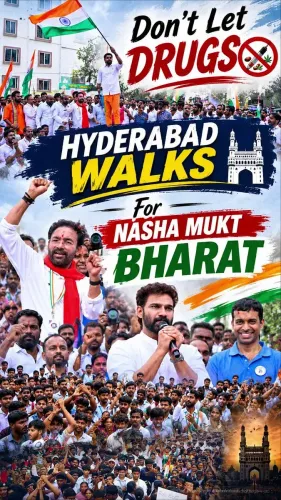
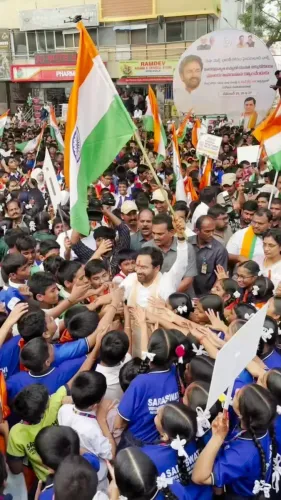
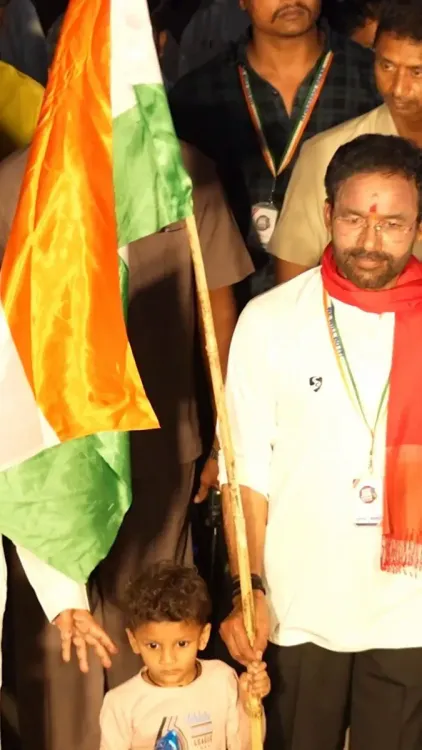
Union Coal and Mines Minister G. Kishan Reddy highlighted a child who joined a Hyderabad walk under Nasha Mukt Bharat, saying a drug-free society is everyone's duty so innocent smiles stay pure.
Key Takeaways
Union Coal and Mines Minister G.
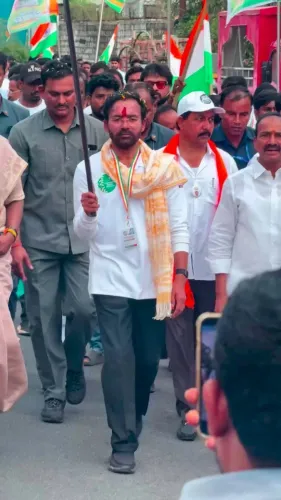
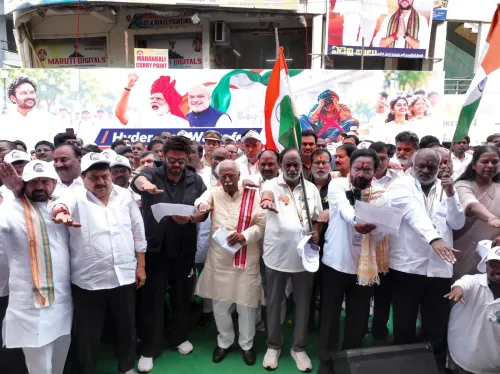
Kishan Reddy posted on 27 November 2026 about a child in a Hyderabad anti-drug walk.
He said the child may not fully know what Nasha Mukt Bharat means but still joined the step taken for that child's future.
Reddy argued that building a drugs-free society is everyone's responsibility so innocent smiles stay pure.
The post used the tags #NashaMuktBharat and #HyderabadWalks4NashaMuktBharat.
Nasha Mukt Bharat Abhiyan was launched in 2020 by the Ministry of Social Justice and Empowerment through awareness drives and community events.
Union Coal and Mines Minister G. Kishan Reddy on 27 November 2026 held up a Hyderabad child who may not yet know what Nasha Mukt Bharat means, yet still walked for a future the adults were advertising. Keep those smiles unspoiled, he said: a drug-free society is everyone's job.
Posting in Telugu, Reddy wrote that the little one may not fully know what Nasha Mukt Bharat (Drug-Free India) means, but had still joined the steps being taken for that child's own future. He said: 'If those innocent smiles are to remain pure forever like this, building a drugs-free society is everyone's responsibility.'
HyderabadWalks4NashaMuktBharat
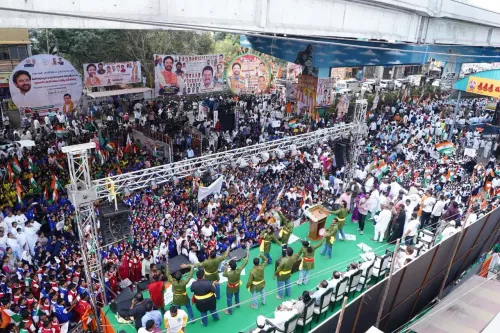
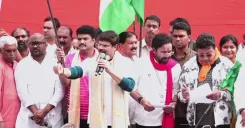
The tags #NashaMuktBharat and #HyderabadWalks4NashaMuktBharat pinned the message to a public walk in the Telangana capital. Reddy named no stadium, no kilometre count, no organiser list. He put one unnamed child in the frame and let that image carry the policy.
That is the campaign's favourite grammar. A walk. A young face. A reminder that the future being advertised cannot speak for itself yet.
Nasha Mukt Bharat Abhiyan since 2020
The Nasha Mukt Bharat Abhiyan was launched in 2020 by the Ministry of Social Justice and Empowerment. Its method is awareness and community events, not a single new criminal code. Cities across India have staged similar walks to pull citizens, especially youth and children, into anti-drug messaging.
Reddy holds Coal and Mines, not Social Justice. His post still fits a familiar pattern: Union ministers and state party presidents amplifying the Abhiyan from their home turf. For a BJP Telangana state president, Hyderabad is the natural stage.
Why the campaign keeps putting children first
The Abhiyan is aimed at youth and children. Reddy's argument tracks that brief exactly. A slogan a toddler cannot parse still needs that toddler in the picture, because the policy is sold as insurance for a life not yet lived.
Walks will keep rolling out. The harder test is whether they harden into treatment, enforcement, and less demand. Reddy's closing line leaves little room for bystanders: a drug-free society, he said, is a job for all.
Point of View
Not a specialist ministry's quiet file. Reddy's Hyderabad post shows how that machine still runs: a city walk, a child, and a moral claim that anti-drug work is civic duty. It also shows the political overlay, with a Coal and Mines minister who is BJP Telangana president doing social-justice messaging on home ground. The policy arc to watch is whether these walks stay seasonal or feed a harder conversation on supply, treatment, and youth demand.
NationPress
27 Nov 2026
Frequently Asked Questions
What did G. Kishan Reddy say about Nasha Mukt Bharat?
He said a Hyderabad child may not fully know what Nasha Mukt Bharat means but still joined a public walk taken for that child's future, and that building a drugs-free society is everyone's responsibility.
What is Nasha Mukt Bharat Abhiyan?
It is a national campaign to create awareness against drug abuse and promote a drug-free India through community events and awareness drives.
When was Nasha Mukt Bharat Abhiyan launched?
It was launched in 2020 by the Ministry of Social Justice and Empowerment.
Where was the Nasha Mukt Bharat walk Reddy referred to?
He referred to a public walk in Hyderabad, using the tag HyderabadWalks4NashaMuktBharat. The post did not name a specific venue or turnout.
Who is G. Kishan Reddy?
He is the Union Minister of Coal and Mines and the BJP Telangana state president.