Kolkata Durga Puja stampede: SIT finds untrained guards, no crowd-management plan
Synopsis
The SIT probing the Kolkata Durga Puja stampede that killed 19 has uncovered a damning security vacuum: part-time guards with no crowd-management training, no professional agency oversight, and no supervisory chain — topped off by a false 'pandal collapse' announcement that triggered the fatal crush. A parallel judicial commission is now racing to fix accountability.
Key Takeaways
The Kolkata Police SIT found that security guards at Chorbagan Sarbojanin Durga Puja were untrained, part-time workers with no crowd-management experience.
None of the guards was affiliated with a reputed security agency; they were reportedly linked to an obscure firm connected to the organising committee.
No experienced supervisor was present to manage crowd pressure during the 17 October 2024 stampede.
A false announcement that the pandal had collapsed triggered panic and the deadly rush toward the exit, killing 19 people .
A six-member judicial commission headed by retired judge Justice Anindita Roy Saraswati is running a parallel inquiry and must report within three months .
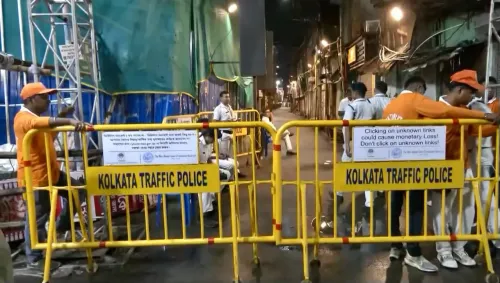
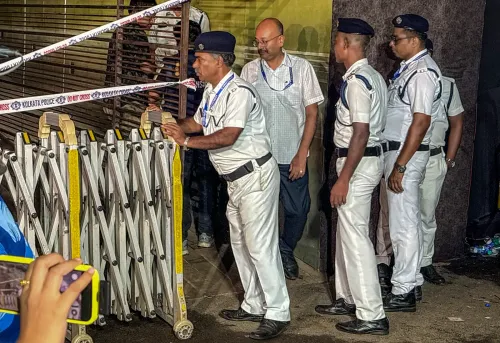
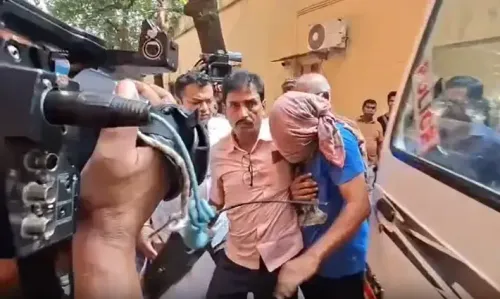
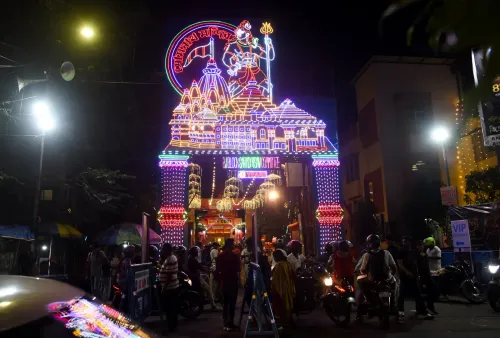
The Special Investigation Team (SIT) of the Kolkata Police, probing the 19-death stampede at the Chorbagan Sarbojanin Durga Puja in North Kolkata on 17 October 2024, has found that the puja organising committee deployed unskilled private security guards who had no training or prior experience in crowd management, according to police sources. The findings point to a systematic failure in event safety planning at one of the city's major festival venues.
Who Was Guarding the Pandal
Investigators examining the role of private security personnel at the pandal found that most guards had no background in crowd management and were not full-time security professionals, according to senior police sources. Many pursued other occupations through the year and took up security work during the festival season solely to earn additional income.
None of the guards deployed at the Chorbagan venue was associated with a reputed or professionally certified security agency, sources said. They were reportedly part-time associates of a relatively unknown entity owned by two individuals who had a prior acquaintance with members of the puja organising committee.
No Supervisory Chain, No Emergency Response
Investigators also found a complete absence of an experienced security officer capable of supervising the guards, assessing crowd pressure, or directing an emergency response. According to sources, this supervisory vacuum left the guards unable to act effectively when the pandal became severely overcrowded.
The overcrowding was partly driven by a sudden heavy rainfall. Devotees already inside the pandal were reluctant to exit into the downpour, while those waiting outside pushed in to escape the rain — creating a dangerous surge that the untrained guards could not contain.
How the Stampede Unfolded
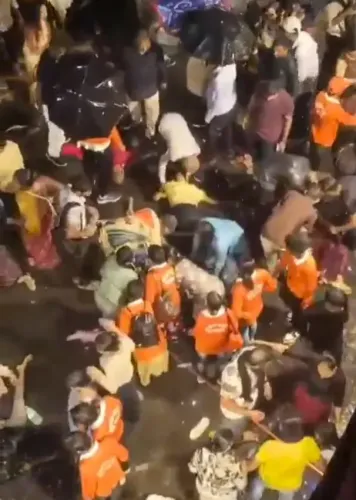
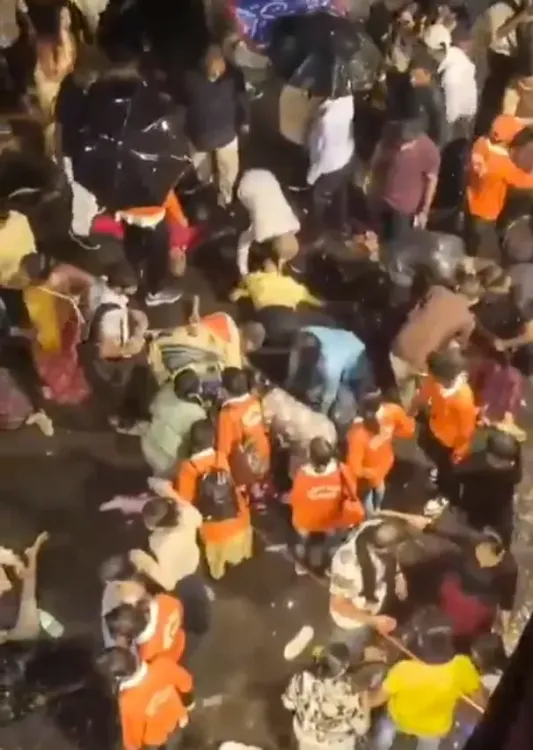
The situation deteriorated sharply after a misleading announcement was made inside the venue, reportedly stating that the pandal had collapsed. The announcement triggered immediate panic, sending crowds rushing toward the single exit gate in a deadly crush that killed 19 people.
'Experienced security personnel are essential in such situations, but unfortunately, they were not available at the venue,' a senior police source said. The sequence — overcrowding, inadequate staffing, a false alarm, and a choke-point exit — reflects a pattern seen in multiple festival tragedies across India in recent years.
Parallel Judicial Probe Under Way
Alongside the SIT, a six-member judicial commission constituted by the West Bengal state government is conducting a parallel inquiry into the incident. The panel is headed by retired Calcutta High Court judge Justice Anindita Roy Saraswati and is expected to submit its findings within three months of commencing its inquiry.
Both probes are examining the circumstances that led to the tragedy, the adequacy of crowd-management arrangements, and the accountability of the organising committee. Their findings could have wider implications for how large-scale religious gatherings in West Bengal are regulated and staffed.
Point of View
No supervision, no emergency protocol, and an exit chokepoint. What makes this significant is not the lapses themselves — similar gaps have preceded every major festival stampede in India — but that they occurred at a high-footfall North Kolkata pandal during peak Puja hours, where crowd volumes are entirely predictable. The state government's decision to constitute a judicial commission in parallel suggests an awareness that the police probe alone may not satisfy public accountability demands. The real test will be whether either inquiry produces binding safety standards for Durga Puja pandals, or simply assigns criminal liability and moves on.
NationPress
11 Nov 2026
Frequently Asked Questions
What did the Kolkata SIT find in its Durga Puja stampede probe?
The SIT found that the puja organising committee deployed untrained, part-time security guards with no crowd-management experience and no supervisory officer on site. The absence of trained personnel meant the guards could not control the surge when the pandal became dangerously overcrowded.
How did the Chorbagan stampede happen on 17 October?
Heavy rainfall caused devotees inside the pandal to stay put while those outside pushed in to escape the rain, creating severe overcrowding. A false announcement that the pandal had collapsed then triggered a panic rush to the exit gate, resulting in a crush that killed 19 people.
Who is investigating the Kolkata Durga Puja stampede?
Two bodies are investigating the tragedy: the Kolkata Police SIT and a six-member judicial commission constituted by the West Bengal government, headed by retired Calcutta High Court judge Justice Anindita Roy Saraswati. The judicial commission must submit its report within three months.
Who were the security guards at the Chorbagan pandal?
The guards were part-time workers who held other jobs during the year and took up security duties during the festival for extra income. They were not associated with any professional security agency and were reportedly connected to a small, relatively unknown firm linked to members of the organising committee.
What happens next in the Kolkata stampede investigation?
Both the SIT and the judicial commission are continuing their inquiries into crowd-management failures and the organising committee's accountability. The judicial commission is expected to report within three months, and its findings could shape new safety regulations for large festival gatherings in West Bengal.