Jharkhand student protest: Lathi charge, water cannons near Assembly in Ranchi
Synopsis
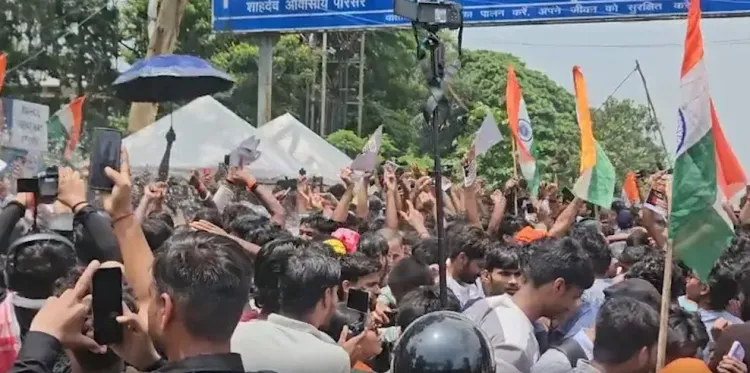
Even as the Jharkhand Assembly's Monsoon Session was underway, police turned water cannons and lathi charges on student protesters who breached multiple barricades to reach the Vidhan Sabha — a direct challenge to a government that had publicly promised peaceful protest would be respected. With a fasting leader arriving on a stretcher and an MLA lifted onto students' shoulders inside the premises, the standoff has moved well beyond a routine agitation.
Key Takeaways
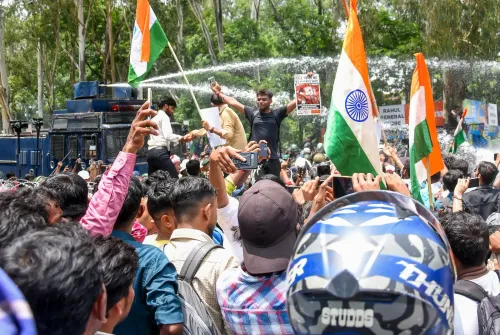
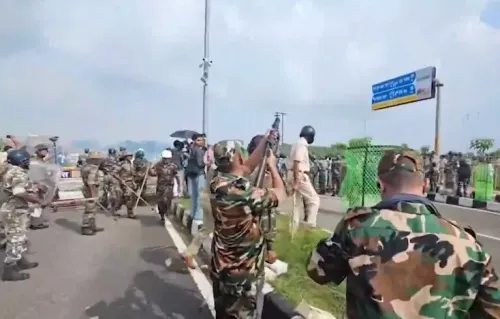
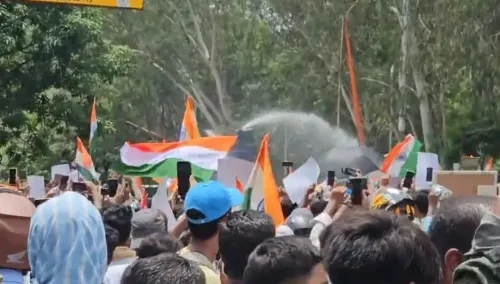
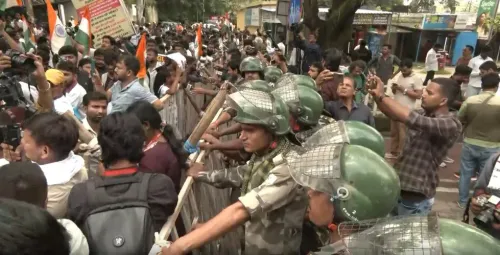
Police in Ranchi used a lathi charge and water cannons against student protesters on 10 August .
Protesters breached multiple barricades and advanced toward the Jharkhand Assembly during its Monsoon Session .
Students are demanding transparency and cancellation of the JSSC-CGL examination over alleged irregularities.
Fasting student leader Devendra Nath Mahto joined the protest on a stretcher; JLKM MLA Jairam Mahato was lifted onto students' shoulders inside the premises.
Minister Deepika Pandey Singh had assured that lathi charges and water cannons would not be used — a pledge contradicted by Monday's events.
The state government said JSSC-CGL cancellation cannot be decided unilaterally as the matter is before the judiciary.
Police in Ranchi on Monday, 10 August resorted to a lathi charge and deployed water cannons as student demonstrators pushed closer to the Jharkhand Legislative Assembly, escalating an ongoing agitation over alleged irregularities in state recruitment examinations. The crackdown unfolded even as the Monsoon Session of the Jharkhand Assembly was in progress inside.
How the Protest Escalated
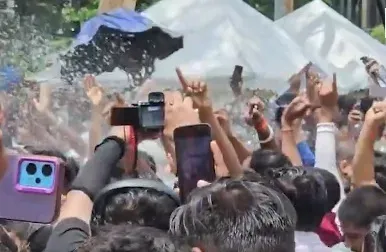
Protesters breached multiple police barricades and advanced steadily toward the Vidhan Sabha complex despite heightened security arrangements. Water cannons were deployed once students pushed past successive cordons, yet several demonstrators were seen dancing through the jets and continuing their march — scenes that drew comparisons to protests against paper leaks in Bihar.
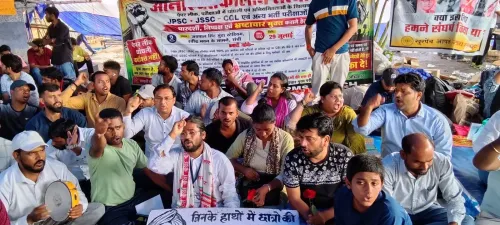
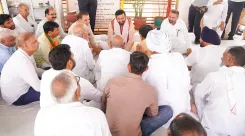
Fasting student leader Devendra Nath Mahto joined the demonstration on a stretcher, underscoring the gravity of the hunger strike being observed by a section of agitators. Inside the Assembly premises, students lifted JLKM Dumri MLA Jairam Mahato onto their shoulders during a sit-in protest.
What the Students Are Demanding
The agitation is being spearheaded by aspirants seeking reforms in the recruitment examination process, transparency in selections, and accountability for alleged irregularities — particularly in the JSSC-CGL examination. Protesters are demanding that the examination be cancelled and a fresh, fair process be initiated.
What the Government Said
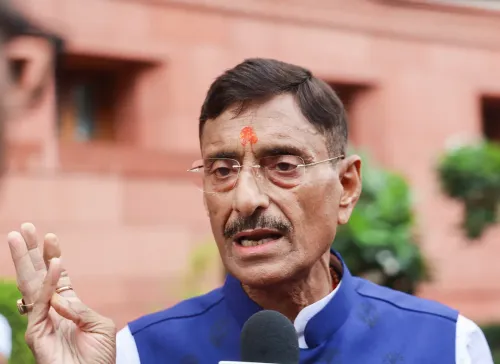
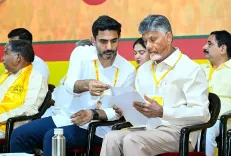
Jharkhand Minister Deepika Pandey Singh stated that the state government would allow JPSC-JSSC aspirants to protest peacefully and assured that pellet guns, tear gas, or lathi-charges would not be used against them — a pledge that appeared at odds with the ground situation on Monday.
Singh added that discussions with student representatives had continued for several hours over the past four days and that the government had agreed to nearly all demands within its jurisdiction. The state also reiterated its willingness to permit a judicially monitored investigation into the allegations, while noting that cancellation of the JSSC-CGL examination could not be decided unilaterally, as the matter is linked to ongoing judicial proceedings.
Broader Context
The Jharkhand protest is part of a wider pattern of student unrest across several Indian states over alleged paper leaks and recruitment fraud. Notably, this is not the first time that aspirants in Jharkhand have taken to the streets over examination irregularities — the JSSC-CGL controversy has simmered for months. The fact that the agitation intensified precisely during the Assembly's Monsoon Session signals a deliberate political pressure tactic by the students.
With the matter now entangled in judicial proceedings and the government walking a tightrope between dialogue and crowd control, the resolution of student demands is unlikely to be swift.
Point of View
No tear gas, no lathi charge — and what actually unfolded outside the Vidhan Sabha on Monday is the story that mainstream coverage risks burying under procedural detail. A government that spent four days in dialogue with students and claimed to have met nearly all demands within its jurisdiction still found itself deploying force on the same day. That credibility gap will define how this agitation plays out. The JSSC-CGL controversy also points to a structural problem: Jharkhand is not an outlier. Across Bihar, Uttar Pradesh, and now Jharkhand, examination fraud has become a recurring trigger for mass student mobilisation, yet no state has produced a durable institutional fix. Judicial oversight, which the Jharkhand government is now offering, has historically been slow — cold comfort for aspirants who have already waited years.
NationPress
24 Sept 2026
Frequently Asked Questions
Why are students protesting near the Jharkhand Assembly?
Students are agitating over alleged irregularities in state recruitment examinations, particularly the JSSC-CGL exam. They are demanding cancellation of the examination, a fresh recruitment process, and greater transparency and accountability from the government.
What happened during the Ranchi protest on 10 August?
Police used lathi charges and water cannons on student protesters who breached multiple barricades and advanced toward the Jharkhand Assembly. The crackdown occurred even as the Assembly's Monsoon Session was in progress.
Who is Devendra Nath Mahto and what is his role in the protest?
Devendra Nath Mahto is a student leader who has been on a hunger strike as part of the agitation. He joined the 10 August protest on a stretcher, highlighting the intensity of the ongoing fast by some demonstrators.
What has the Jharkhand government offered to protesters?
The government has offered to allow a judicially monitored investigation into the alleged irregularities and has said it agreed to nearly all demands within its jurisdiction after four days of talks. However, it maintained that cancellation of the JSSC-CGL examination is linked to judicial proceedings and cannot be decided unilaterally.
Why can't the Jharkhand government cancel the JSSC-CGL exam on its own?
According to the state government, the JSSC-CGL examination cancellation is tied to ongoing legal proceedings before the judiciary. The government says it cannot act unilaterally on the matter without judicial direction.