LPG shortage hits Chennai's Amma Canteens: Idli output halved, chapatis dropped
Synopsis
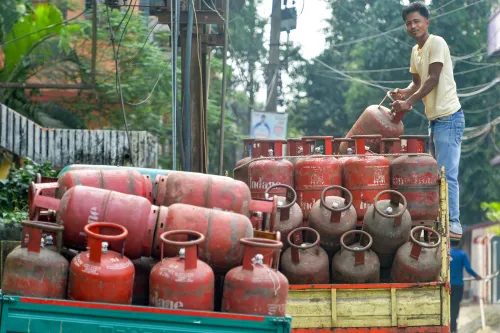
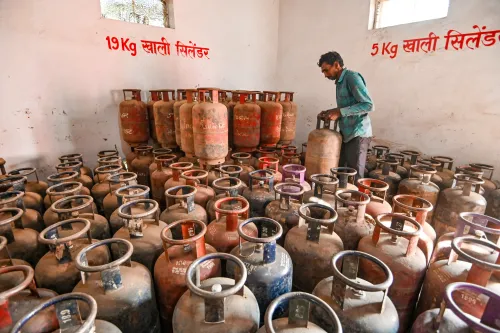
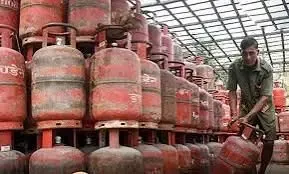
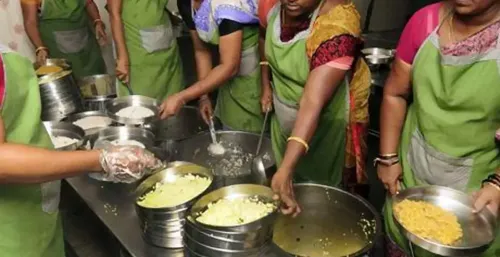
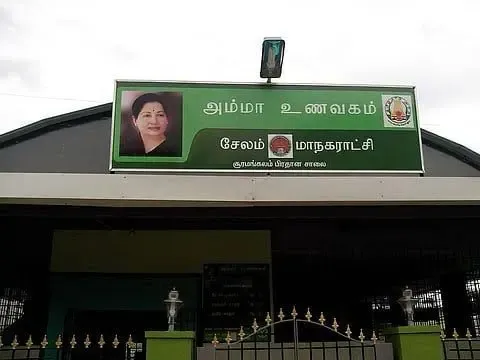
Chennai's Amma Canteens — a lifeline for thousands of low-income residents — are struggling after daily LPG cylinder supplies were nearly halved in 10 days. Chapatis have been dropped, idli output slashed by more than half at some locations, and the GCC has resorted to hub-based cooking to keep the network alive.
Key Takeaways
LPG supply to Chennai's Amma Canteens has dropped from over 300 cylinders daily to around 150 over the past 10 days .
At Gengu Reddy Subway canteen in Egmore , daily idli output fell from 350 to 150 as weekly cylinder supply dropped from 5 to 2 .
Chapati preparation has been suspended entirely at several outlets due to higher fuel requirements.
The GCC has introduced a hub-based cooking model , with food prepared centrally and distributed to clusters of 15–18 canteens.
Officials say the disruption is temporary and full operations will resume once LPG supplies stabilise .
An acute shortage of LPG cylinders has disrupted operations at Amma Canteens across Chennai, forcing the Greater Chennai Corporation (GCC) to scale down food production and trim menus at several outlets. Field visits conducted on Wednesday, 30 April in areas including Egmore and Triplicane confirmed that canteen staff have been instructed to limit cooking due to inadequate gas supply.
Scale of the Shortage
According to a GCC official, the daily supply of LPG cylinders to Amma Canteens has dropped from over 300 cylinders to around 150 over the past 10 days — a reduction of nearly 50%. The disruption has hit the canteens' ability to serve chapatis — which require higher fuel consumption — hardest, with the item suspended entirely at several locations. Idli production, the staple offering, has also been significantly curtailed.
Ground-Level Impact Across Localities
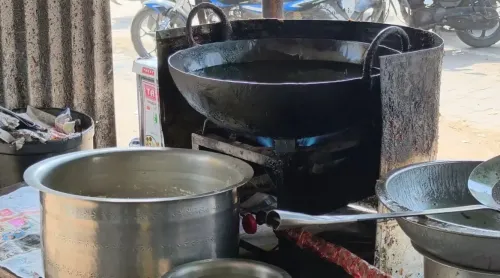
The effects have been starkly visible across multiple neighbourhoods. At the Gengu Reddy Subway canteen in Egmore, the weekly LPG supply has fallen from five cylinders to just two, causing daily idli production to drop from 350 to 150. In Chintadripet, canteens now receive only two to three cylinders per week, reducing idli output from 500 to 300 daily, with evening chapatis replaced entirely by idlis. In Triplicane, idli production has declined from 600 to 350 per day, while chapati numbers have been cut by half.
Notably, not all centres have been equally affected. The canteen at the Institute of Child Health and Hospital for Children campus continues to function normally, despite broader instructions to suspend chapati preparation.
GCC's Interim Response
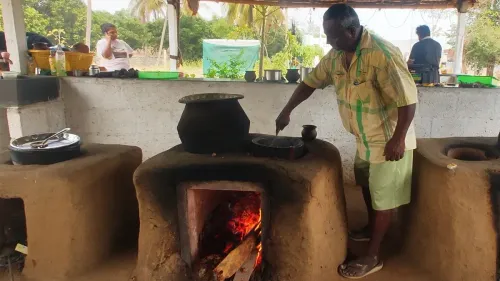
To manage the crisis, the GCC has introduced a hub-based cooking model in select areas. Under this arrangement, food is prepared at designated central kitchens and distributed to clusters of 15 to 18 nearby canteens, ensuring that basic services continue despite constrained fuel availability. Officials have maintained that the situation is temporary and have assured residents that full-scale operations will resume once LPG supplies stabilise.
Why This Matters
The Amma Canteens, launched as a flagship subsidised food initiative under the GCC, serve thousands of low-income residents across Chennai daily. For many of the city's daily-wage workers and economically vulnerable populations, these canteens represent one of the few reliable sources of affordable, cooked food. Any sustained disruption risks deepening food insecurity among the city's most marginalised communities. This comes amid broader concerns about LPG supply chain pressures in Tamil Nadu. Authorities are currently focused on maintaining essential services while the supply situation is addressed.
Point of View
With no public explanation of the root cause, raises questions about supply chain management and contingency planning within the GCC. The hub-based cooking workaround is pragmatic, but it is a band-aid on a systemic gap. If the shortage persists beyond a few days, the burden will fall disproportionately on daily-wage workers who depend on these canteens for at least one square meal. The silence on why supplies collapsed so sharply — and so suddenly — deserves scrutiny.
NationPress
19 Sept 2026
Frequently Asked Questions
Why are Chennai's Amma Canteens facing disruptions in April 2025?
A shortage of LPG cylinders has reduced daily supply to Amma Canteens from over 300 cylinders to around 150, disrupting normal cooking operations. The shortfall has forced the GCC to cut idli production and suspend chapati preparation at several outlets.
Which areas in Chennai have been most affected by the Amma Canteen LPG shortage?
Egmore, Chintadripet, and Triplicane have reported significant reductions in food output. The Gengu Reddy Subway canteen in Egmore saw its weekly cylinder supply drop from five to two, cutting daily idli production from 350 to 150.
What steps has the GCC taken to manage the LPG shortage at Amma Canteens?
The Greater Chennai Corporation has introduced a hub-based cooking model in select areas, where food is prepared at central kitchens and distributed to clusters of 15 to 18 nearby canteens. Officials say this ensures basic services continue during the shortage.
Will Amma Canteens return to normal operations soon?
GCC officials have stated the disruption is temporary and that full-scale operations will resume once LPG supplies stabilise. No specific timeline has been provided publicly.
What are Amma Canteens and who do they serve?
Amma Canteens are subsidised food outlets run by the Greater Chennai Corporation, designed to provide affordable cooked meals to low-income and economically vulnerable residents across Chennai. They serve thousands of people daily and are a key part of the city's food security network.