Maharashtra to ban fertiliser linking on UP model, Minister Bharne announces
Synopsis
Maharashtra is set to ban 'fertiliser linking' — the coercive practice of bundling non-subsidised agri-inputs with subsidised fertiliser supplies — following a statewide dealers' strike. Agriculture Minister Dattatray Bharne's UP-modelled intervention could reshape how agri-input companies operate across one of India's largest farming states.
Key Takeaways
Maharashtra Agriculture Minister Dattatray Bharne announced a ban on fertiliser linking on 28 April , modelled on the Uttar Pradesh government's policy.
The announcement followed a statewide strike by the Maharashtra Fertilisers, Pesticides, Seeds Dealers Association that began on 27 April .
Retailers will be shielded from criminal liability for substandard sealed products under a Haryana-model framework being studied by the state.
Strict action will be taken against uncertified HTBT cotton seeds entering from neighbouring states, with the Home Department coordinating enforcement.
Minister Bharne plans to meet Union Minister J.
Nadda to address pending central-level agri-input issues.
The SATHI portal will be used to monitor seeds from production to sale; no immediate penalties for ePoS technical glitches.
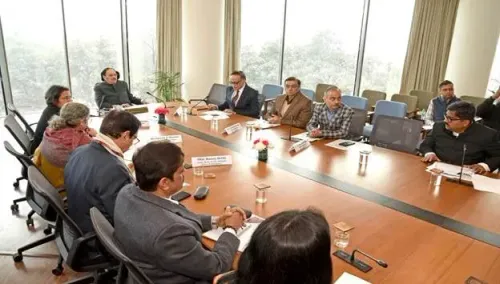
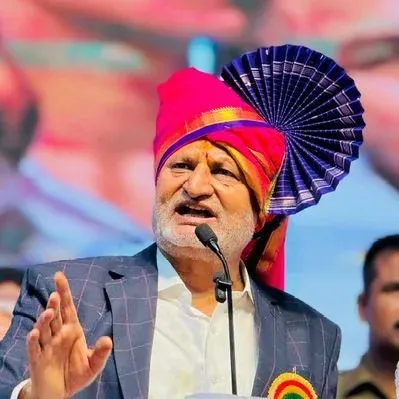
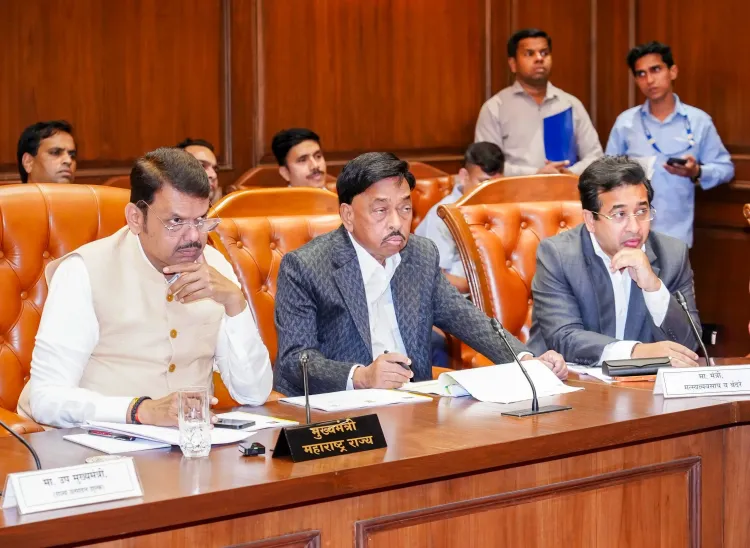
Maharashtra Agriculture Minister Dattatray Bharne on Tuesday, 28 April announced that the state will implement a policy to end the practice of "fertiliser linking" — a move modelled on a recent decision by the Uttar Pradesh government. The announcement came during a high-level meeting in Mumbai convened to address grievances raised by the Maharashtra Fertilisers, Pesticides, Seeds Dealers Association.
What Is Fertiliser Linking and Why It Matters
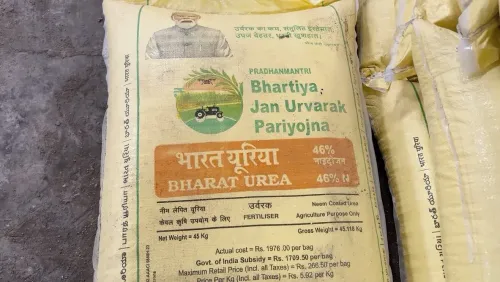
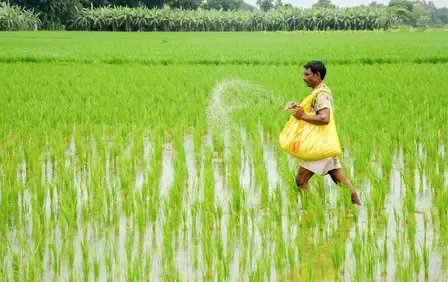
Fertiliser linking refers to the practice where companies authorised to sell subsidised fertilisers compel retailers to also purchase non-subsidised fertilisers or other agri-inputs as a precondition of supply. Critics argue the practice inflates costs for small retailers and, ultimately, for farmers. The dealers' association had launched a statewide strike beginning 27 April to protest this and related issues, and discussions on withdrawing the strike have reportedly turned favourable following Bharne's assurances.
Key Measures Announced by Minister Bharne
The Minister outlined several steps intended to streamline Maharashtra's agricultural supply chain. First, a ban on forced linking: companies authorised to sell subsidised fertilisers will be prohibited from forcing retailers to purchase non-subsidised products as a condition of supply, mirroring the Uttar Pradesh model.
Second, on retailer protection, the state will study the Haryana model to ensure that retailers are not held criminally liable if seeds, fertilisers, or pesticides sold in original, sealed packaging are found substandard during testing — liability will instead focus on manufacturers.
Third, the government will take strict action against illegal seeds, particularly uncertified HTBT cotton seeds entering from neighbouring states. A formal proposal will be sent to the Central Government, and the state Home Department will coordinate with police for enforcement.
On the issue of expired pesticides, the Minister said discussions will be held with the association and manufacturing companies to ensure that expired stocks are returned to suppliers rather than left with retailers.
Technology and Compliance Measures
Minister Bharne emphasised the use of technology to bring transparency to the agricultural inputs sector. He noted that the Central Government's SATHI portal — designed to monitor seeds from production to sale — should be utilised effectively by all producers and suppliers.
On Electronic Point of Sale (ePoS) systems, the Minister assured that no immediate punitive action will be taken against retailers experiencing technical difficulties. He also indicated that the mandatory 15-day training programme for retailers could be extended if required to accommodate business owners' needs.
Centre-Level Engagement
Minister Bharne stated that he plans to meet Union Minister J. P. Nadda to resolve pending issues related to agricultural inputs at the central level. With the government's assurances now on record, the deadlock between the state and dealers is expected to end shortly, ensuring a steady supply of agricultural inputs ahead of the upcoming farming season.
Point of View
But the real test lies in enforcement. Past bans on similar practices have faded without a credible inspection and penalty mechanism. The plan to coordinate with the Home Department and escalate to the Centre signals intent, but unless the SATHI portal is mandatorily adopted and ePoS compliance is eventually enforced, the structural leverage that large agri-input companies hold over retailers is unlikely to change.
NationPress
16 Sept 2026
Frequently Asked Questions
What is fertiliser linking and why is it a problem?
Fertiliser linking is the practice where companies authorised to sell subsidised fertilisers compel retailers to also buy non-subsidised fertilisers or other agri-inputs as a condition of supply. It inflates costs for retailers and ultimately for farmers, and has prompted widespread protests by dealer associations across India.
What did Maharashtra Agriculture Minister Dattatray Bharne announce on 28 April?
Minister Bharne announced a ban on forced fertiliser linking modelled on Uttar Pradesh's policy, along with retailer protection measures, action against illegal HTBT cotton seeds, and the use of the SATHI portal for supply chain transparency. The announcement was made at a high-level meeting with the Maharashtra Fertilisers, Pesticides, Seeds Dealers Association.
Why did Maharashtra dealers go on strike?
The Maharashtra Fertilisers, Pesticides, Seeds Dealers Association launched a statewide strike on 27 April to protest fertiliser linking, criminal liability for substandard sealed products, and the burden of expired pesticide stocks. Following the Minister's assurances, discussions on withdrawing the strike have reportedly turned favourable.
How will retailers be protected from liability for substandard products?
The state plans to study the Haryana model, under which retailers are not held criminally liable if seeds, fertilisers, or pesticides sold in original sealed packaging are found substandard during testing. Liability would instead focus on manufacturers.
What is the SATHI portal and how does it relate to this announcement?
The SATHI portal is a Central Government system designed to monitor seeds from production to sale. Minister Bharne said all producers and suppliers should utilise it effectively to bring transparency to the agricultural inputs sector in Maharashtra.