Mahua Moitra votes in Bengal Phase 2, calls it 'revenge voting' for democracy

Synopsis
TMC MP Mahua Moitra cast her vote in Karimpur and declared Bengal's second phase a 'revenge voting' exercise against the Election Commission — a sharp charge that frames this election as more than a routine contest. With 142 constituencies in play and tension already reported in South Kolkata, the stakes could not be higher.
Key Takeaways
TMC MP Mahua Moitra voted at Karimpur in West Bengal Assembly elections Phase 2 on 29 April .
She termed voter participation as "revenge voting," alleging the Election Commission misled the public for "five to six months." Polling began at 7 am across 142 constituencies in six districts , including Kolkata .
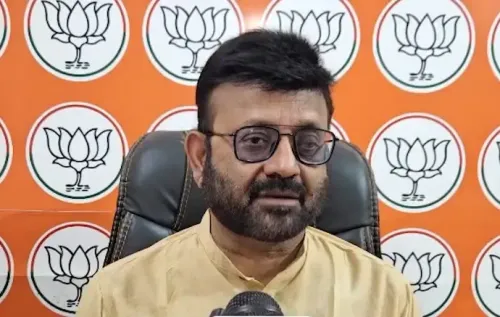
Kartik Banerjee , brother of Chief Minister Mamata Banerjee , was cautioned by central forces for gathering more than four persons near a polling station in Bhabanipur .
At Rashbehari , the Congress alleged TMC workers blocked their booth agents, accusing them of "hooliganism."
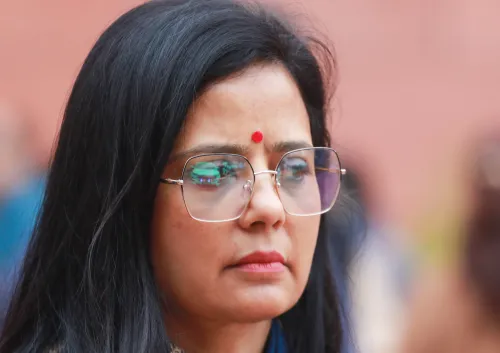
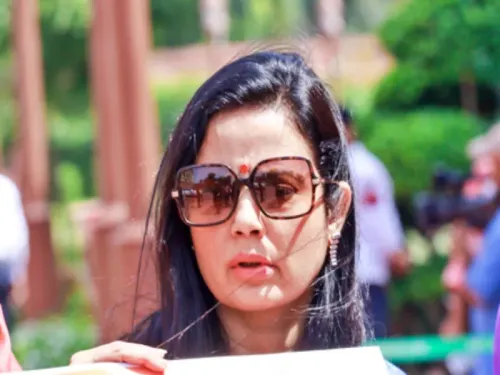
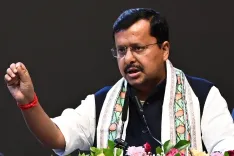
All India Trinamool Congress (TMC) Member of Parliament Mahua Moitra on Wednesday, 29 April cast her vote at a polling booth in Karimpur during the second phase of the West Bengal Assembly elections, declaring that voters were engaging in what she termed "revenge voting" — a movement she described as a "fight to save democracy."
What Mahua Moitra Said
Speaking to reporters after casting her vote, Moitra said, "This time, people are participating in the fight to save democracy… Those whose names have been left out of the voter list will definitely come to vote, so definitely the voter percentage is going to remain high."
She further alleged sustained institutional bias against voters, saying, "This time, people are doing revenge voting. For the past five to six months, the Election Commission has been misleading the public, and the people are responding to that. They already gave a strong reply in the first phase, and the process we began then will be completed in this second phase."
Polling Across 142 Constituencies
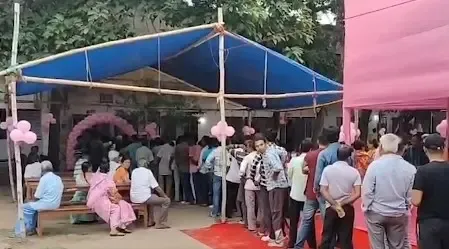
Voting for the second phase commenced at 7 am on Wednesday across 142 constituencies spanning six districts in West Bengal, including the state capital Kolkata. The poll process began amid mild tension in certain pockets from the very first hour, according to ground reports.
High-Stakes Contest in Bhabanipur
In the Bhabanipur Assembly constituency in South Kolkata — one of the most closely watched seats in this election, where Chief Minister Mamata Banerjee is pitted against Leader of Opposition Suvendu Adhikari — central forces cautioned Kartik Banerjee, the Chief Minister's brother, for assembling near a police station with more people than permitted. Security personnel advised him not to gather near the polling station with more than four persons at a time.
Tension and Allegations in South Kolkata
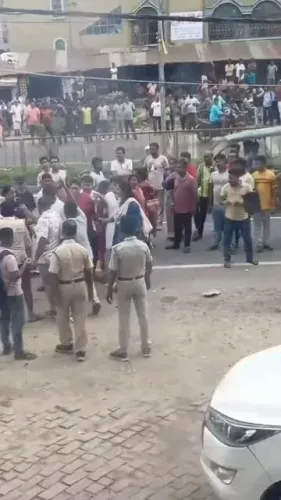
At the Rashbehari constituency, also in South Kolkata, mild tension was reported after allegations surfaced that Trinamool Congress workers were preventing Congress booth agents from entering a polling booth. The Congress accused TMC activists of "hooliganism" during the early hours of polling — a charge that the TMC had not formally responded to at the time of reporting.
Across the state, voters continued to queue up at polling stations as authorities maintained tight security arrangements to ensure the smooth conduct of the elections. The outcome of this phase, combined with the first phase results, is expected to shape the political landscape of West Bengal for the next five years.
Point of View
Not the BJP, as the primary adversary, which is a notable escalation in TMC's rhetoric. The incidents in Bhabanipur and Rashbehari, though described as mild, fit a familiar pattern of polling-day friction in West Bengal that rarely gets resolved through official channels. What is worth watching is whether voter turnout in Phase 2 actually exceeds Phase 1 — because if it does, Moitra's narrative gets statistical legs. If it doesn't, the 'revenge voting' claim risks looking like pre-emptive spin.
NationPress
16 Sept 2026
Frequently Asked Questions
What did Mahua Moitra mean by 'revenge voting' in West Bengal?
Mahua Moitra used the term 'revenge voting' to describe what she characterised as public backlash against the Election Commission, which she alleged had been misleading voters for five to six months. She said the sentiment that drove high turnout in Phase 1 would continue and intensify in Phase 2.
Where did Mahua Moitra cast her vote in the West Bengal Phase 2 elections?
Mahua Moitra cast her vote at a polling booth in Karimpur during the second phase of the West Bengal Assembly elections on 29 April.
How many constituencies are voting in West Bengal Phase 2?
A total of 142 constituencies across six districts, including the state capital Kolkata, are going to polls in the second phase of the West Bengal Assembly elections.
What happened in Bhabanipur during Phase 2 polling?
In the Bhabanipur constituency in South Kolkata, central forces cautioned Kartik Banerjee, the brother of Chief Minister Mamata Banerjee, for assembling near a police station with more people than permitted. He was advised not to gather more than four persons near the polling station at a time.
What allegations did Congress make during West Bengal Phase 2 polling?
The Congress alleged that TMC workers were preventing their booth agents from entering a polling booth in the Rashbehari constituency in South Kolkata, accusing them of 'hooliganism' during the early hours of polling.