Mandaviya marks International Yoga Day with call for stability and strength
Synopsis
Union Minister Mansukh Mandaviya marked International Yoga Day on 21 June 2026 with a three-word message — stability, balance, strength — underscoring India's institutional commitment to yoga as a public-health and cultural-diplomacy tool.
Key Takeaways
Union Minister Mansukh Mandaviya posted a Yoga Day message on 21 June 2026 with the words स्थिरता। संतुलन। शक्ति। (Stability.
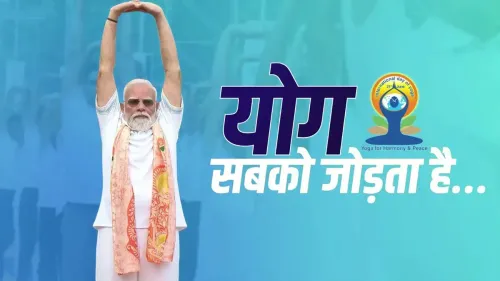
The International Day of Yoga is observed annually on 21 June , following a 2014 UN General Assembly resolution proposed by PM Narendra Modi .
Mandaviya holds the portfolio of Youth Affairs and Sports , giving him institutional responsibility for coordinating national Yoga Day programmes.
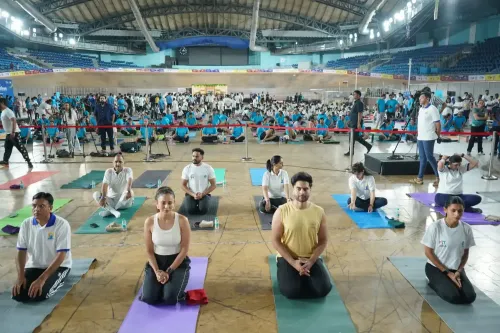
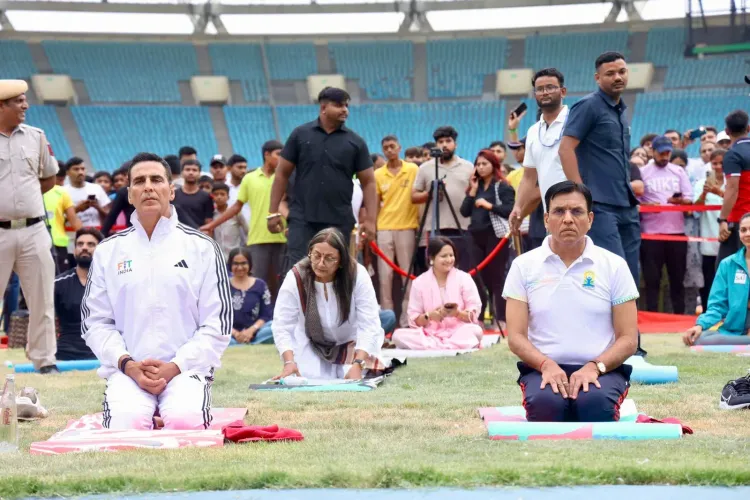
India uses June 21 for mass participation events at public venues and Indian missions abroad, framing yoga as both public health and cultural diplomacy.
The Ministry of Youth Affairs and Sports and the AYUSH Ministry jointly coordinate nationwide Yoga Day outreach targeting youth and community groups.
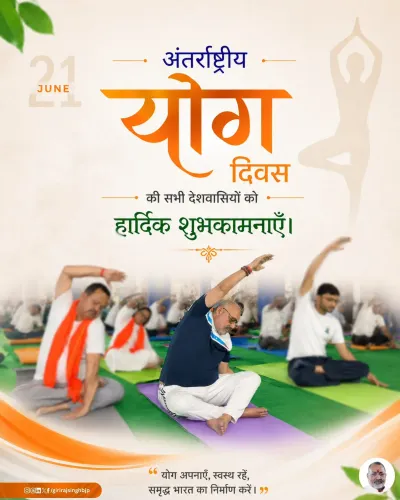
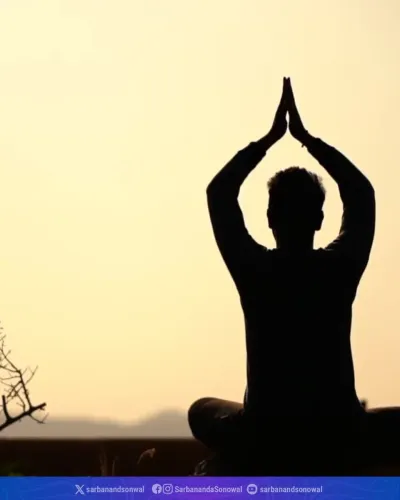
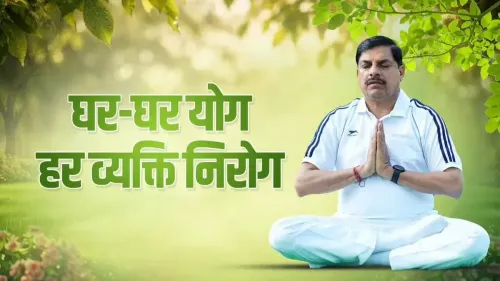
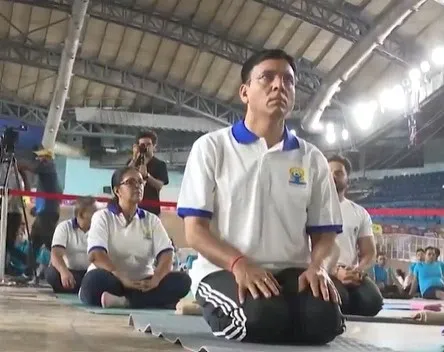
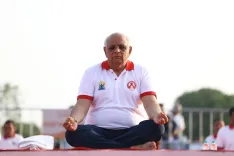
Union Labour and Sports Minister Mansukh Mandaviya marked International Yoga Day on Sunday, 21 June 2026, sharing a message on X that distilled the spirit of the annual observance into three words: स्थिरता। संतुलन। शक्ति। (Stability. Balance. Strength.).
Context
Every year on 21 June, the world observes the International Day of Yoga, a global event anchored in India's cultural heritage. The minister's three-word formulation — stability, balance, and strength — maps directly onto the physical, mental, and philosophical pillars that yoga practitioners associate with the discipline.
Mandaviya, who holds the portfolio of Youth Affairs and Sports in addition to Labour and Employment, has institutional responsibility for coordinating India's large-scale Yoga Day programmes alongside the AYUSH Ministry.
Policy Backdrop
The International Day of Yoga traces its origins to a proposal made by Prime Minister Narendra Modi at the United Nations General Assembly in 2014. The UN adopted the resolution, designating 21 June as the annual observance — one of the fastest resolutions to receive consensus support in UN history.
Since then, successive Indian governments have used June 21 to mount mass participation events at public venues, stadiums, and Indian diplomatic missions abroad, framing yoga as both a public-health initiative and an instrument of cultural diplomacy. The Ministry of Youth Affairs and Sports plays a central coordinating role, mobilising youth networks for large-scale sessions nationwide.
Stakeholders and Impact
The primary beneficiaries of Yoga Day programming are yoga practitioners, youth, and the broader public-health ecosystem. Annual events draw participation from schools, defence establishments, corporate campuses, and community groups, giving the observance a cross-sectoral reach.
India's consistent promotion of yoga on the global stage has also reinforced the country's soft-power profile, with Indian missions in dozens of countries hosting simultaneous sessions. For the Sports and Youth Affairs Ministry, the day serves as a high-visibility platform to connect wellness messaging with youth engagement goals.
What's Next
Attention will now turn to the scale and official themes of the nationwide 2026 Yoga Day programmes, including any new ministry guidelines on youth participation and outreach targets. The government's ability to sustain and expand mass participation year-on-year will be a key metric for evaluating the initiative's public-health impact.
As India continues to position yoga at the intersection of cultural identity and preventive healthcare, ministerial messaging like Mandaviya's reinforces the political and institutional commitment to keeping the discipline central to national wellness policy.
Point of View
Three-word post is a deliberate piece of ministerial branding — compact enough to cut through social-media noise while echoing the government's decade-long effort to position yoga as a national identity marker. As the minister overseeing Youth Affairs and Sports, his participation signals that the Yoga Day apparatus remains embedded in institutional machinery, not just ceremonial calendar-marking. The post also fits a broader BJP pattern of using cultural observances to reinforce soft-power narratives both domestically and internationally. The real measure of the ministry's commitment, however, will be in the on-ground scale and policy outcomes of the 2026 programmes.
NationPress
21 Jun 2026
Frequently Asked Questions
When is International Yoga Day celebrated?
International Yoga Day is celebrated every year on 21 June . The date was designated by the United Nations General Assembly in 2014 following a proposal by Prime Minister Narendra Modi .
Who is Mansukh Mandaviya?
Mansukh Mandaviya is a senior BJP leader and Union Minister holding the portfolios of Labour and Employment and Youth Affairs and Sports in the Indian government.
How did International Yoga Day start?
The International Day of Yoga was established after PM Narendra Modi proposed it at the UN General Assembly in 2014 . The UN adopted the resolution, making 21 June the annual observance — one of the fastest consensus resolutions in UN history.
What does the Indian government do on Yoga Day?
The Indian government organises mass participation yoga sessions at public venues, stadiums, and Indian diplomatic missions worldwide. The Ministry of Youth Affairs and Sports and the AYUSH Ministry jointly coordinate these nationwide events.
What did Mandaviya say on Yoga Day 2026?
On 21 June 2026 , Mandaviya posted a message on X with the Hindi words स्थिरता। संतुलन। शक्ति। — meaning Stability, Balance, and Strength — to mark International Yoga Day .