Mandaviya Backs Drug-Free India Drive on Anti-Drug Day
Synopsis
On International Anti-Drug Day, Union Minister Mansukh Mandaviya rallied India's youth under the banner 'Nasha Mukt Bharat', reinforcing the government's multi-scheme push against substance abuse through the Ministry of Youth Affairs and Sports.
Key Takeaways
Mansukh Mandaviya posted a drug-free India message on 26 June 2026 , the UN's International Day Against Drug Abuse and Illicit Trafficking.
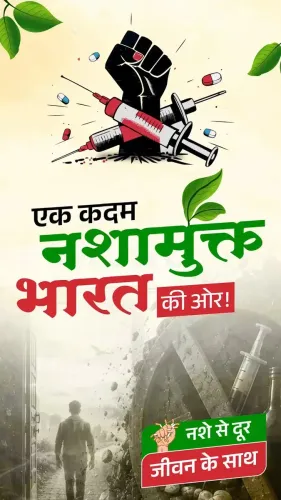
His rallying call — Yuva Shakti ka Sankalp — Nasha Mukt Bharat! — centred youth power as the core of the anti-drug drive.
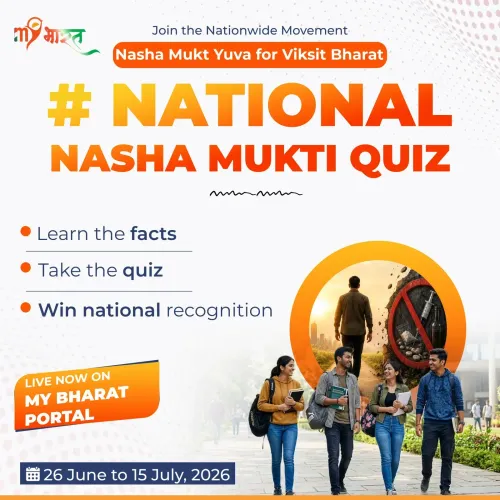
The Nasha Mukt Bharat Abhiyan , launched 24 August 2020 , remains the government's primary community-level anti-drug programme.
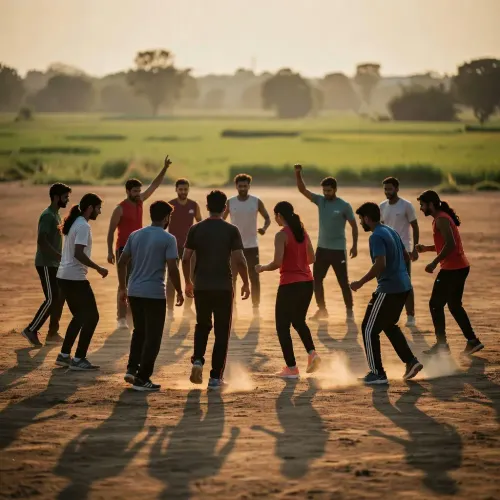
Anti-drug messaging has been integrated into NSS , Khelo India and the Fit India Movement to reach school and college populations.
State welfare departments and sports bodies are the key operational partners for translating the campaign into district-level action.
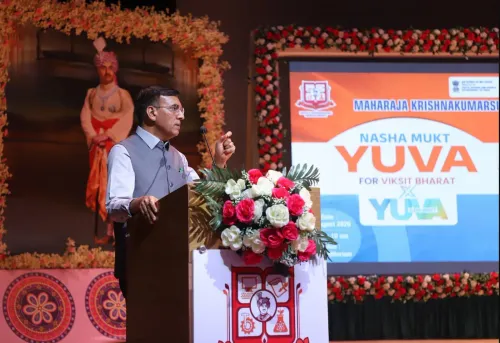
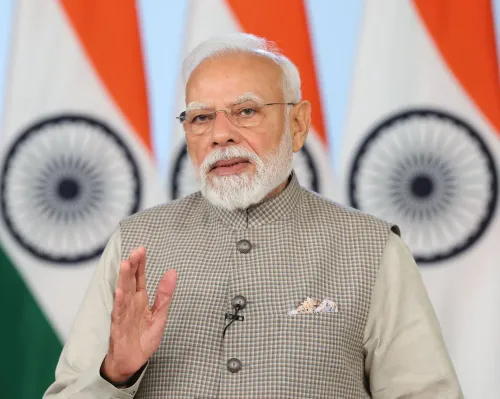
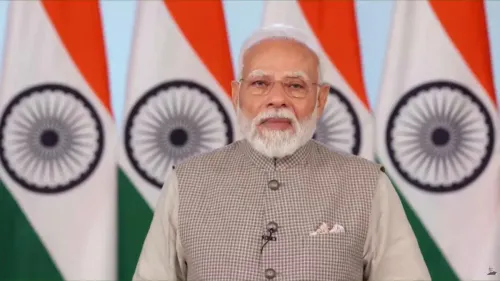
Union Labour and Sports Minister Mansukh Mandaviya on Friday, 26 June 2026 invoked the resolve of India's youth in the fight against substance abuse, posting a sharp rallying call on the occasion of the International Day Against Drug Abuse and Illicit Trafficking. His message — 'Yuva Shakti ka Sankalp — Nasha Mukt Bharat!' ('The resolve of youth power — a drug-free India!') — was accompanied by a video, underscoring the government's continued push to mobilise young citizens against narcotics.
Context
The post was published on 26 June, which the United Nations designates as the International Day Against Drug Abuse and Illicit Trafficking — observed globally since 1989 to strengthen action against the drug menace. Mandaviya, who holds the Youth Affairs and Sports portfolio alongside Labour and Employment, has positioned youth energy as the central instrument in the government's anti-drug narrative. His framing — 'Yuva Shakti' (youth power) as the driving force behind a drug-free India — is consistent with the messaging the Ministry of Youth Affairs has used across outreach programmes targeting schools, colleges and sports academies.
Policy Backdrop
The government's primary vehicle for anti-drug outreach is the Nasha Mukt Bharat Abhiyan, launched on 24 August 2020 under the Ministry of Social Justice and Empowerment. The campaign focuses on community mobilisation, counselling and rehabilitation, with a particular emphasis on districts identified as highly vulnerable to substance abuse. It operates alongside the National Action Plan for Drug Demand Reduction, which has guided central funding and state-level de-addiction infrastructure since 2014.
The Fit India Movement, announced in August 2019, added another layer by promoting physical fitness and healthy lifestyles — implicitly offering youth a constructive alternative to substance use. Anti-drug awareness has since been woven into activities of the National Service Scheme (NSS) and Khelo India, extending the government's reach into campuses and community sports events across the country.
Stakeholders and Impact
The primary audience for this messaging is India's youth population — the country has one of the world's largest cohorts of young people, making their health and social choices a significant public-policy concern. State social welfare departments are the operational partners responsible for translating central directives into district-level de-addiction camps, awareness drives and monitoring committees. Sports federations and university bodies affiliated with the Ministry of Youth Affairs are also expected to carry the message into competitive and campus environments.
Mandaviya's dual role — overseeing both youth affairs and labour — gives the anti-drug agenda additional reach into the organised and unorganised workforce, where substance abuse is a documented occupational and social risk. His post signals that the ministry views 26 June not merely as a ceremonial date but as an annual accountability checkpoint for the broader programme.
What's Next
State-level review meetings on Nasha Mukt Bharat Abhiyan targets are expected in the weeks following the international day, as ministries assess district-wise progress. Observers will watch whether the ministry announces fresh integration of anti-drug modules into upcoming Khelo India or NSS annual plans. The minister's video post may also signal a wider digital awareness campaign timed to the UN observance, with youth-focused platforms likely to amplify the 'Nasha Mukt Bharat' message through the summer.
Point of View
Reflecting a pattern in which the BJP-led government ties ministerial communication to UN calendar moments for maximum visibility. By framing the anti-drug cause as 'Yuva Shakti' — youth power — the minister aligns the Labour and Youth Affairs portfolios with a social-welfare narrative that transcends partisan lines. The emphasis on youth as agents rather than victims of the drug problem is a rhetorical shift that also serves to channel the energy of a demographic the government is simultaneously courting through sports and employment schemes. Whether the post translates into fresh programmatic action or remains symbolic will depend on what follows at the state review level in the coming weeks.
NationPress
25 Sept 2026
Frequently Asked Questions
What is Nasha Mukt Bharat Abhiyan?
Nasha Mukt Bharat Abhiyan is a national anti-drug campaign launched on 24 August 2020 by the central government, focused on awareness, prevention and rehabilitation among youth, primarily run by the Ministry of Social Justice and Empowerment.
Why did Mansukh Mandaviya post about a drug-free India on 26 June?
26 June is the International Day Against Drug Abuse and Illicit Trafficking , designated by the United Nations. Mandaviya's post marked the occasion and aligned with the government's ongoing Nasha Mukt Bharat messaging.
What does 'Yuva Shakti ka Sankalp — Nasha Mukt Bharat' mean?
The Hindi phrase translates to 'The resolve of youth power — a drug-free India', positioning young citizens as the primary force in the fight against substance abuse.
What is Mansukh Mandaviya's role in anti-drug policy?
As Union Minister of Youth Affairs and Sports , Mandaviya oversees programmes that integrate anti-drug awareness into NSS, Khelo India and sports outreach, complementing the Social Justice Ministry's rehabilitation work.
How does the Fit India Movement relate to anti-drug efforts?
The Fit India Movement , launched in August 2019 , promotes physical fitness and healthy lifestyles among youth, providing a constructive alternative to substance use and often carrying anti-drug messaging in its events.