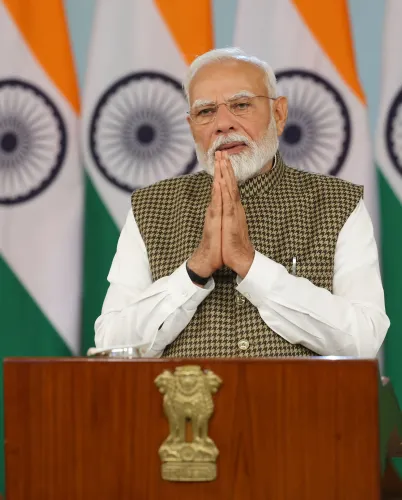
How Does PM Modi's 'Mann Ki Baat' Programme Reflect Positive Change and Public Participation?
Synopsis
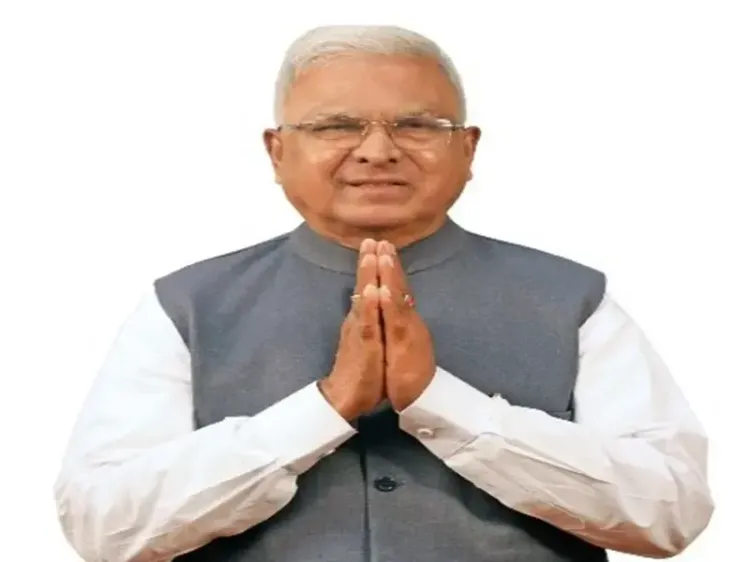
Madhya Pradesh Governor Mangubhai Patel highlights the transformative impact of Prime Minister Modi's 'Mann Ki Baat' initiative. He emphasizes the significance of public participation in nation-building and encourages police trainees to find inspiration in the shared stories that exemplify dedication and service.
Key Takeaways
'Mann Ki Baat' serves as an influential platform for social change.
Encourages public participation in nation-building.
Highlights stories of dedication and service to inspire others.
Fosters professionalism and empathy in law enforcement.
Promotes the importance of building public trust.
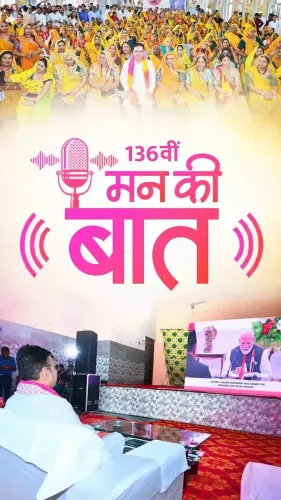
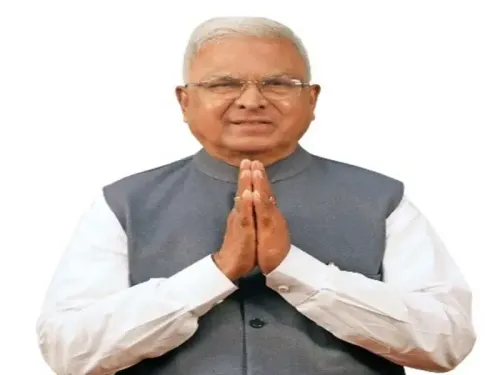
Bhopal, Feb 22 (NationPress) Madhya Pradesh Governor Mangubhai Patel remarked on Sunday that Prime Minister Narendra Modi's 'Mann Ki Baat' initiative signifies a transformative shift and underscores the importance of citizen involvement in nation-building.
While speaking to trainee police officers and newly appointed constables at the Madhya Pradesh Police Academy, just before the programme's broadcast, the Governor stated that 'Mann Ki Baat' transcends a simple radio show; it serves as a platform that highlights uplifting narratives from across the nation.
He pointed out that the initiative draws attention to individuals who make significant contributions to society despite facing numerous hurdles, providing examples of unwavering commitment and service.
“Through 'Mann Ki Baat', remarkable stories from all over the country come to light. Such illustrations can aid police personnel in cultivating enhanced sensitivity and a heightened sense of duty in their roles,” Patel noted.
He encouraged the trainees to regularly tune in to the programme and find motivation in the shared experiences, rather than viewing it as a mere obligation.
The Governor emphasized that the training phase is pivotal in shaping the future paths of police officers.
“The uniform isn't just a mark of authority; it symbolizes a commitment to serve the most vulnerable members of society,” he asserted.
Patel urged the police to work towards fostering public confidence and ensuring their behavior embodies professionalism and compassion.
He also mentioned that absorbing stories of social endeavors and accomplishments shared in 'Mann Ki Baat' illustrates how individual efforts can lead to broader societal advancements.
The Governor reiterated that police officers should uphold discipline, courtesy, and promptness in their actions, ensuring that citizens feel safe when reaching out to law enforcement.
He inspired the trainees to contemplate how they could integrate the programme's messages into their personal and professional lives and expressed optimism that they would embody the principles of public service and assist in fortifying the police force.
Point of View
It's imperative to recognize the significance of 'Mann Ki Baat' in promoting community engagement and inspiring action. The initiative serves as a reminder that every individual can contribute to society's betterment. It's crucial for our law enforcement to embody these values as they serve the public.
NationPress
30 Sept 2026
Frequently Asked Questions
What is 'Mann Ki Baat'?
It is a monthly radio programme by Prime Minister Modi that shares inspiring stories from citizens across India.
Why is 'Mann Ki Baat' important?
'Mann Ki Baat' encourages public participation and highlights individual contributions that foster social change.
Who addressed the police trainees?
Madhya Pradesh Governor Mangubhai Patel addressed the police trainees regarding 'Mann Ki Baat'.
What did the Governor emphasize about police conduct?
He stressed that police must maintain professionalism, empathy, and build public trust.
How can police trainees benefit from 'Mann Ki Baat'?
They can gain inspiration and learn about dedication and community service from the stories shared.