CM Fadnavis Confirms Marathi as the Sole Compulsory Language in Maharashtra
Synopsis
In a decisive statement, CM Fadnavis emphasized that only Marathi will be mandatory in Maharashtra's education system, dismissing previous proposals for Hindi and English. This declaration aims to clarify the state's language policy amidst ongoing debates and controversies.
Key Takeaways
Marathi is the only compulsory language in Maharashtra's educational system.
The previous administration proposed making Hindi and English mandatory.
84% of schools in Maharashtra operate in Marathi.
Current unemployment rate is at 3.1% .
Kumbh Mela is seen as a branding opportunity for Maharashtra.
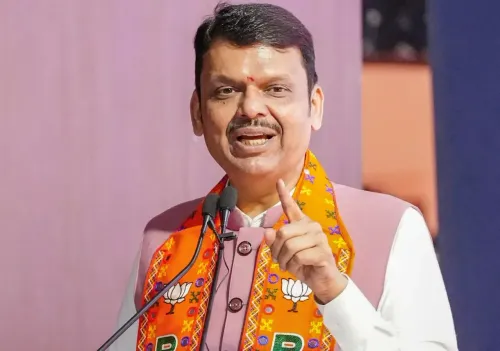
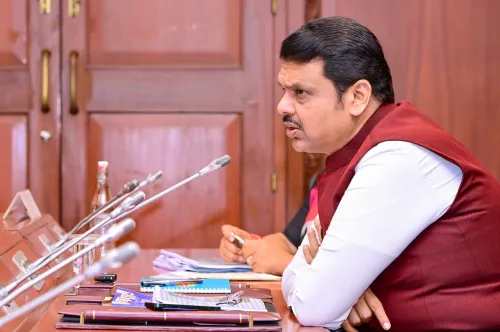
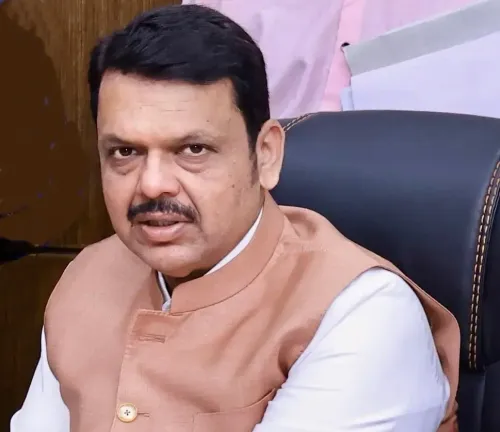
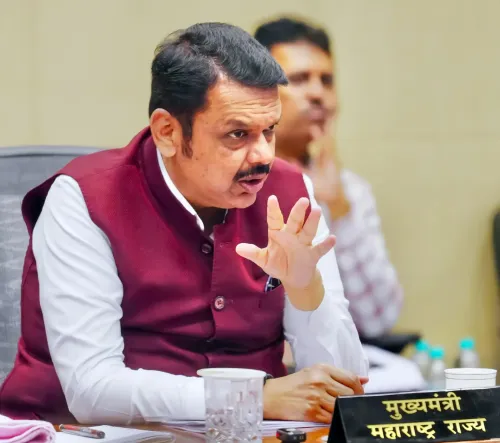
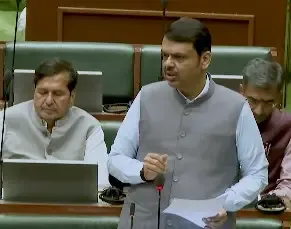
Mumbai, Feb 26 (NationPress) In light of the ongoing debate about the compulsory teaching of Hindi in Maharashtra's primary schools, Chief Minister Devendra Fadnavis declared in the State Assembly this Thursday that although the state promotes multilingualism, only the Marathi language will be mandated within the educational system.
While responding to discussions regarding the Governor's address, the Chief Minister redirected attention towards the previous administration.
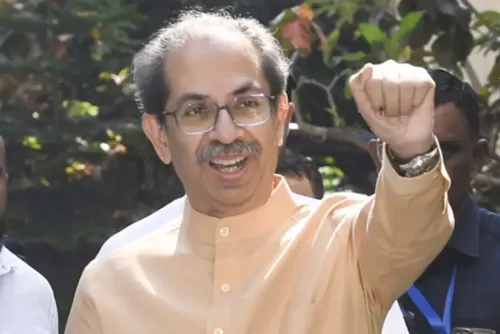
He referenced minutes from a Cabinet meeting held on January 20, 2022, asserting that the earlier proposal to mandate Hindi and English from the first grade originated from the Uddhav Thackeray-led government.
"The recommendations from the Mashelkar Committee were sanctioned by the previous Cabinet. Who approved those recommendations? I’ll let Aditya Thackeray respond to that," CM Fadnavis stated, making a pointed critique towards the Opposition.
Furthermore, he accused the Uddhav Thackeray-led Maharashtra Cabinet of being the initial body to adopt the recommendation to make Hindi and English compulsory subjects from Class 1 through Class 12.
Chief Minister Fadnavis emphasized that while his administration's officials issued a government resolution based on that earlier report, they never aimed to enforce such a stringent rule for Classes 1 to 12.
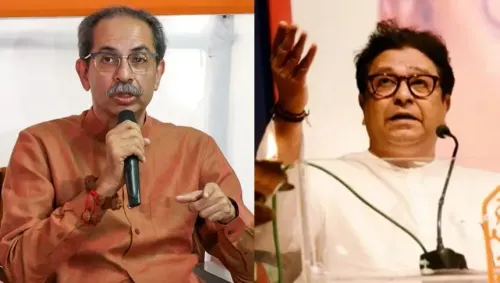
He also humorously commented on the political unity of the Thackeray brothers and Raj Thackeray regarding this matter.
"I find it surprising that even Raj Thackeray has aligned with them on this issue. Nonetheless, I am pleased to have been the catalyst for the brothers' reunion," he remarked.
The Chief Minister sought to clarify any doubts surrounding the state’s language policy.
"In our state, the only mandatory language is Marathi," he asserted.
This controversy arose from a government resolution issued on June 17, 2025, by the current Mahayuti government.
Referring to the Central government's New Education Policy (NEP), Maharashtra initially suggested a three-language policy.
This policy would have required all Marathi and English medium schools to teach Hindi as a third language from Class 1 to Class 5.
Following significant backlash from educators and pro-Marathi organizations, the current state government had to retract the decision and form a specialized committee to evaluate the report.
He dismissed allegations that Marathi schools are closing down as "fictional."
Chief Minister Fadnavis highlighted that 84% of schools in Maharashtra are Marathi medium, with 69% of students studying in Marathi, reiterating that the state government is committed to prioritizing Marathi in higher education institutions.
Regarding the upcoming Kumbh Mela in Nashik, the Chief Minister questioned the Opposition's objections to the event, underscoring its potential for branding the state.
Drawing comparisons with the successful Prayagraj Kumbh, CM Fadnavis pointed out that investments in infrastructure—including road improvements, airports, and ring roads—would enhance both religious and general tourism.
"Maharashtra is the land of saints. We aim to leverage the Kumbh Mela to promote the state on a global scale," he said.
The Chief Minister shared encouraging economic statistics, stating that the unemployment rate in 2025 is 3.1%, a notable decrease from previous years.
On the legal front, Chief Minister Fadnavis took a strong stance regarding recent Anti-Corruption Bureau (ACB) raids, including those connected to Minister Narhari Zirwal's office.
"The ACB raids will persist. They do not require anyone's authorization. Even if someone solicits money in my office, the ACB holds the authority to act. No one is above the law," he asserted.
Point of View
CM Fadnavis's statement regarding the language policy in Maharashtra reflects a firm stance on preserving regional identity through the promotion of Marathi. This decision may influence future educational frameworks and political dynamics in the state.
NationPress
2 Oct 2026
Frequently Asked Questions
What did CM Fadnavis say about language policy?
CM Fadnavis stated that only Marathi will be compulsory in Maharashtra's educational framework, dismissing previous proposals for Hindi and English.
What was the controversy regarding Hindi in schools?
The controversy arose from a proposal by the previous Uddhav Thackeray-led government to make Hindi and English compulsory from Class 1 to 12.
What percentage of schools in Maharashtra are Marathi medium?
According to CM Fadnavis, 84% of schools in Maharashtra are Marathi medium.
What is the current unemployment rate in Maharashtra?
The unemployment rate in Maharashtra stands at 3.1% in 2025.
What does CM Fadnavis say about the Kumbh Mela?
CM Fadnavis emphasized the Kumbh Mela's potential for state branding and boosting tourism in Maharashtra.