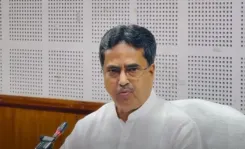
Meghalaya tourism hit hard by August 19 violence, CM Conrad Sangma vows recovery push

Synopsis
Meghalaya's tourism sector lost up to 90% of bookings after the August 19 violence — and Chief Minister Conrad Sangma's public acknowledgement on Tuesday signals just how deep the damage runs. With livelihoods of thousands hanging on a recovery that the government admits will take time, the state's carefully built identity as a northeast India travel hotspot is now squarely on the line.
Key Takeaways
Meghalaya CM Conrad K.
Sangma on 6 October 2026 confirmed that violence on 19 August significantly damaged the state's tourism sector.
Cancellations in the immediate aftermath of the violence reportedly reached 80–90 per cent , with fresh bookings also sharply declining.
All major tourism segments were affected — hotels , homestays , tour operators , taxis , restaurants , and tourist guides .
Tourism provides direct and indirect livelihoods to a large number of young people and small businesses in Meghalaya .
Sangma said the situation is showing early signs of recovery and the government will intensify promotional and outreach efforts.
The CM stressed that peace and stability are essential preconditions for tourism, investment, and employment in the state.
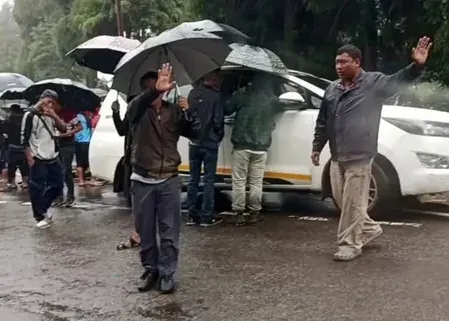
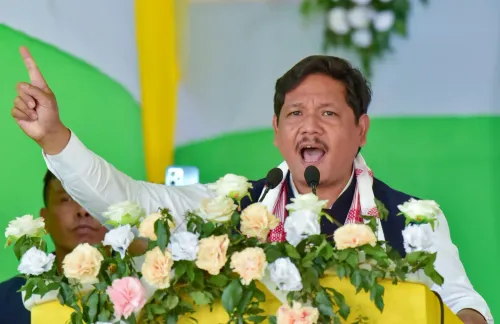
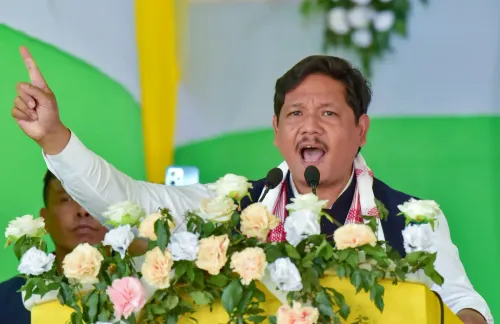
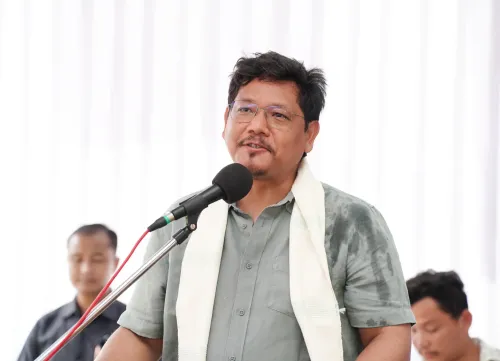
Meghalaya Chief Minister Conrad K. Sangma on Tuesday, 6 October 2026, acknowledged that violence in the state on 19 August had dealt a severe blow to its tourism sector, with cancellations reportedly touching 80–90 per cent in the immediate aftermath. Sangma said the government was intensifying efforts to restore confidence among tourists and industry stakeholders across Shillong and the wider state.
Scale of the Setback
The disruption, according to Sangma, rippled across virtually every segment of the tourism ecosystem — hotels, homestays, tour operators, taxis, restaurants, and tourist guides all reported sharp losses. The violence struck during a period that is otherwise among the busiest for the sector, compounding the financial damage. 'The impact has been there, and tourism has definitely been affected,' the Chief Minister said, adding that rebuilding confidence would require sustained effort.
Why Tourism Matters to Meghalaya
Tourism is a significant contributor to Meghalaya's economy, providing direct and indirect livelihoods to a large number of young people and small businesses whose incomes are closely tied to visitor footfall. Communities in tourist-heavy areas are among the most exposed, with household earnings heavily linked to the hospitality trade. The sector's recovery is therefore not just a commercial concern — it is an employment and welfare issue for thousands of families across the state.
Signs of Early Recovery
Sangma said the situation was gradually improving, and expressed cautious optimism that tourism would return to pre-violence levels with continued, coordinated effort. The government has been working to project Meghalaya as a safe and welcoming destination for both domestic and international visitors. Promotional outreach is expected to be intensified as early recovery signals emerge.
The Bigger Picture: Peace as a Precondition
The Chief Minister underlined that a secure environment was essential not only for tourism but also for broader investment and employment in the state. This comes amid wider concern about how sustained unrest in any region can structurally erode its brand as a travel destination — a damage that often takes years to reverse even after normalcy returns. Notably, Meghalaya has worked in recent years to position itself as a premier destination for adventure and eco-tourism in northeast India, making Tuesday's acknowledgement particularly significant.
What Comes Next
The government is expected to ramp up promotional campaigns and stakeholder outreach to accelerate the sector's return to normalcy. Sangma indicated the recovery would take time, but stressed that coordinated effort between authorities and industry participants was the only path forward. All eyes will be on booking data over the coming weeks as the peak travel season approaches.
Point of View
But they cannot substitute for accountability around the August 19 events themselves, which remain the underlying source of tourist apprehension. Meghalaya has spent years differentiating itself as a premium eco-tourism and adventure destination in the northeast; that positioning is fragile precisely because it is built on the promise of a safe, unique experience. Without a credible security narrative, marketing spend risks being wasted money.
NationPress
7 Oct 2026
Frequently Asked Questions
What was the impact of the August 19 violence on Meghalaya tourism?
The violence on 19 August led to cancellations of nearly 80–90 per cent among tourism stakeholders in the immediate aftermath, along with a sharp decline in fresh bookings. Hotels, homestays, tour operators, taxis, restaurants, and tourist guides all reported significant losses.
What is the Meghalaya government doing to restore tourism?
Chief Minister Conrad K. Sangma said the government is stepping up efforts to project Meghalaya as a safe and welcoming destination, with intensified outreach and promotional campaigns expected as early signs of recovery emerge. He stressed the need for coordinated effort between the government and industry stakeholders.
Why is tourism so important to Meghalaya's economy?
Tourism is a key contributor to Meghalaya's economy, providing direct and indirect livelihoods to a large number of young people and small businesses whose incomes are closely linked to visitor footfall. A prolonged tourism slump therefore has wide employment and welfare consequences beyond the hospitality industry alone.
Is tourism in Meghalaya recovering?
Chief Minister Sangma said the situation is gradually improving and expressed confidence that tourism would return to normalcy with continued efforts. However, he cautioned that a full recovery would take time and require sustained, coordinated action.
How does the Meghalaya tourism crisis compare to past disruptions in the region?
Instances of civil unrest across northeast India have historically led to prolonged tourism slumps, with recovery timelines often stretching well beyond the return of formal normalcy. Meghalaya's situation follows a similar pattern, where visitor confidence typically lags behind actual improvement in ground conditions — making proactive government outreach critical.