PM Modi greets nation on Onam and Eid Milad-un-Nabi, urges unity
Synopsis
Two of India's most widely observed festivals — Kerala's Onam and the Islamic Eid Milad-un-Nabi — fell on the same day this year, and Prime Minister Modi marked both with personal messages on X calling for unity and kindness. The rare convergence of dates made the Prime Minister's dual outreach unusually symbolic.
Key Takeaways
PM Narendra Modi extended greetings on Onam and Eid Milad-un-Nabi on 26 August via posts on social media platform X .
Onam is Kerala's 10-day harvest festival; its most auspicious day, Thiruvonam , fell on Wednesday.
The festival marks the mythological homecoming of King Mahabali , granted a yearly return by Lord Vishnu .
Eid Milad-un-Nabi commemorates the birth of Prophet Muhammad , born in 570 AD , on the 12th of Rabi' ul-awwal .
India's Eid Milad observances began on 25 August and continued through 26 August .
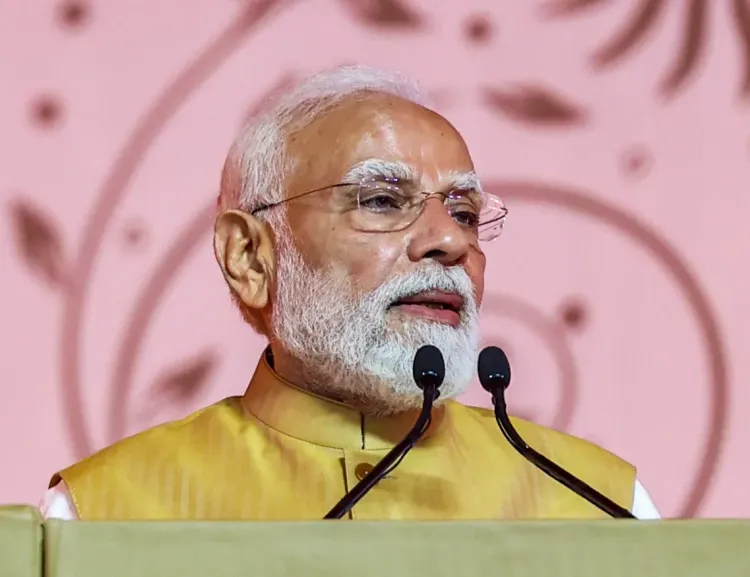
Prime Minister Narendra Modi on Wednesday, 26 August extended warm greetings to citizens across India and abroad on the occasion of Onam and Eid Milad-un-Nabi, calling for happiness, togetherness, and prosperity. The dual outreach, shared via posts on social media platform X, underscored the convergence of two major festivals observed on the same day.
Modi's Onam and Eid Messages
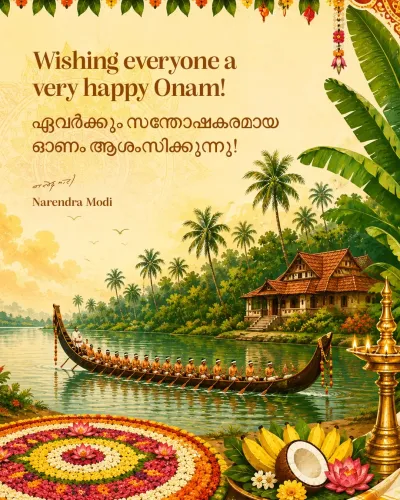
Wishing the nation on Onam, the Prime Minister wrote: 'Wishing everyone a beautiful Onam. This is a vibrant festival celebrated with great enthusiasm all over the world. May this festival further empower the spirit of happiness, togetherness, and prosperity.'
On Eid Milad-un-Nabi, Modi said: 'Eid Mubarak! Greetings on Milad-un-Nabi. I hope this occasion furthers togetherness and joy all around us. May the spirit of kindness and giving back to society always guide us.'
What Is Onam and Why It Is Celebrated
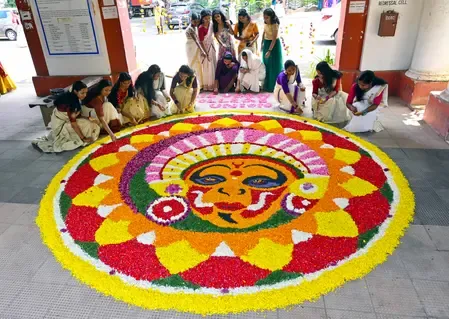
Onam is Kerala's grandest harvest festival, observed over 10 days during the Malayalam month of Chingam, typically falling in August or September. The most significant day, Thiruvonam, fell on Wednesday this year, according to Drik Panchang.
Rooted in Hindu mythology, Onam marks the annual homecoming of the legendary King Mahabali — remembered as a just and generous ruler who presided over an era of peace and abundance. Legend holds that Lord Vishnu, in the form of the dwarf Vamana, asked Mahabali for three paces of land, then expanded to cover the Earth and heavens in two steps. Moved by the king's selfless devotion, Vishnu granted him the boon of returning to his people once every year — a return that Onam celebrates.
Significance of Eid Milad-un-Nabi
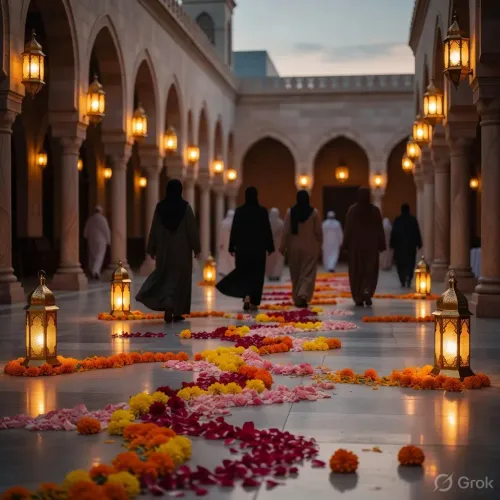
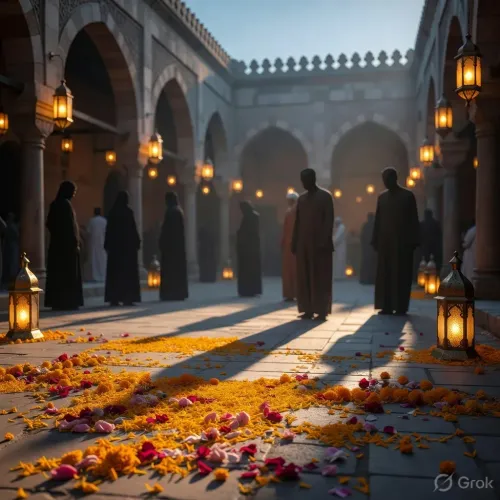
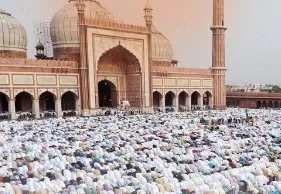
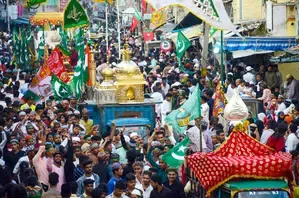
Eid Milad-un-Nabi, also known as Mawlid — derived from the Arabic for 'to give birth' — marks the birth anniversary of Prophet Muhammad, observed on the 12th day of Rabi' ul-awwal, the third month of the Islamic calendar. This year, observances in India began on 25 August and continued through 26 August.
Prophet Muhammad was born in Rabi' ul-awwal in 570 AD and is regarded as the founder of Islam and its final prophet. His teachings, preserved in the Hadith, emphasise selflessness and forgiveness. He passed away on his 63rd birthday.
Historically, Milad-un-Nabi celebrations trace back to early Islamic centuries, with the day gaining wider prominence during the Fatimid Caliphate in Egypt, according to multiple historical accounts. The observance subsequently spread across West Asia and South Asia and is today marked in countries including Sri Lanka, the United Kingdom, Pakistan, Bangladesh, Russia, and Germany.
A Day of Cultural Convergence
The simultaneous observance of Onam and Eid Milad-un-Nabi on the same date is notable. Modi's joint message reflects a broader political and cultural tradition of the Prime Minister publicly acknowledging major religious occasions across communities. The festivals together draw participation from millions of Hindus and Muslims in India and the global diaspora.
As celebrations continue through the day, the Prime Minister's appeal for 'kindness and giving back to society' is likely to resonate in a year marked by heightened focus on communal harmony.
Point of View
But its timing carries quiet significance: the convergence of Onam and Eid Milad-un-Nabi on the same calendar date is uncommon, and a single-day outreach to both Hindu and Muslim communities gives the message more symbolic weight than a standard seasonal greeting. In a political climate where communal optics are closely scrutinised, the Prime Minister's choice to lead with 'togetherness' on both occasions — rather than separate, siloed messages — is a deliberate framing. Whether it translates into substantive policy on inter-community issues remains a separate question.
NationPress
10 Oct 2026
Frequently Asked Questions
Why did PM Modi post greetings on both Onam and Eid Milad-un-Nabi on the same day?
Both festivals fell on 26 August this year, prompting PM Modi to extend greetings for Onam and Eid Milad-un-Nabi on the same day via posts on X. The convergence of the two occasions on a single date is relatively rare.
What is Onam and when is Thiruvonam celebrated?
Onam is Kerala's biggest harvest festival, celebrated over 10 days during the Malayalam month of Chingam, usually in August or September. Thiruvonam, the most significant day of the festival, fell on Wednesday, 26 August this year, according to Drik Panchang.
What is the significance of Eid Milad-un-Nabi?
Eid Milad-un-Nabi marks the birth anniversary of Prophet Muhammad, observed on the 12th day of Rabi' ul-awwal in the Islamic calendar. In India this year, celebrations began on 25 August and continued through 26 August.
What did PM Modi say in his Onam and Eid messages?
For Onam, Modi wished for 'the spirit of happiness, togetherness and prosperity.' For Eid Milad-un-Nabi, he said 'May the spirit of kindness and giving back to society always guide us,' extending Eid Mubarak greetings to the nation.
What is the story behind Onam and King Mahabali?
Onam commemorates the annual return of King Mahabali, a legendary ruler of Kerala believed to have presided over a golden age. According to Hindu mythology, Lord Vishnu, in the form of the dwarf Vamana, sent Mahabali to the netherworld but granted him the boon of visiting his people once every year — an event Onam celebrates.