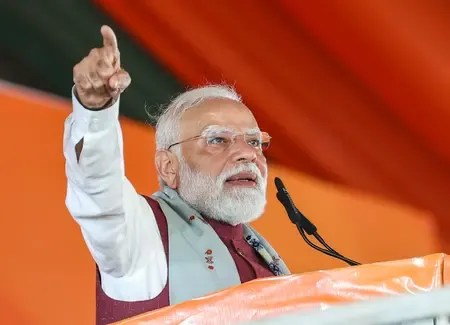
PM Modi inaugurates 594-km Ganga Expressway in Hardoi, built at ₹36,230 crore
Synopsis
PM Modi inaugurated the 594-km Ganga Expressway in Hardoi on 29 April — a ₹36,230 crore corridor linking 12 Uttar Pradesh districts and cutting Meerut–Prayagraj travel time from 12 hours to 6. With a built-in airstrip and 2,635 hectares of planned manufacturing zones, this is more than a road: it's UP's biggest infrastructure bet in a generation.
Key Takeaways
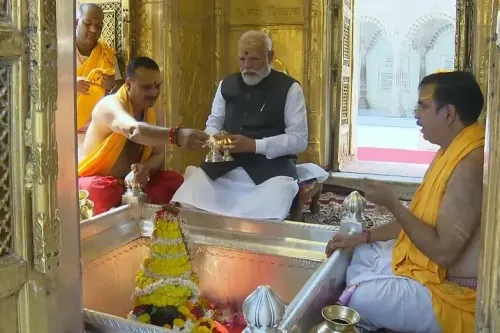
PM Modi inaugurated the Ganga Expressway in Hardoi on 29 April 2025 , after prayers at the Kashi Vishwanath temple in Varanasi .
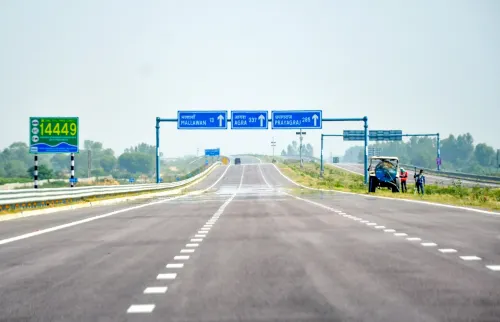
The expressway is 594 km long, 6-lane (expandable to 8), built at a cost of ₹36,230 crore .
It connects 12 districts across western, central, and eastern Uttar Pradesh .
Travel time between Meerut and Prayagraj is expected to fall from 10–12 hours to approximately 6 hours .
A 3.5-km Emergency Landing Facility in Shahjahanpur adds strategic defence value to the corridor.
Integrated manufacturing and logistics zones are planned across 2,635 hectares along the route.
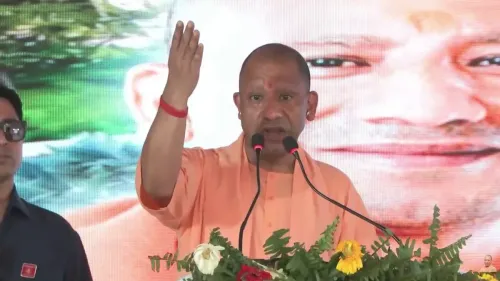
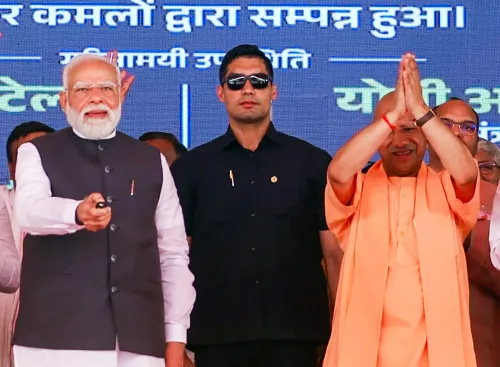
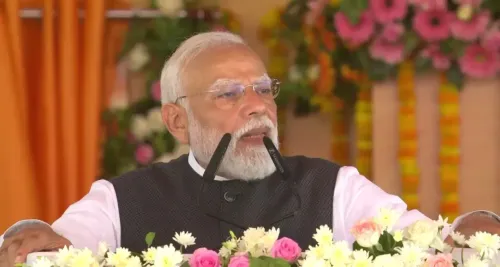
Prime Minister Narendra Modi on Wednesday, 29 April inaugurated the 594-kilometre Ganga Expressway in Hardoi, Uttar Pradesh, after offering prayers at the Shri Kashi Vishwanath temple in Varanasi — a greenfield high-speed corridor built at a total cost of ₹36,230 crore. The inauguration marks one of the most significant infrastructure milestones in Uttar Pradesh's recent history, linking the state's western, central, and eastern regions through a single seamless corridor.
Schedule and Key Highlights
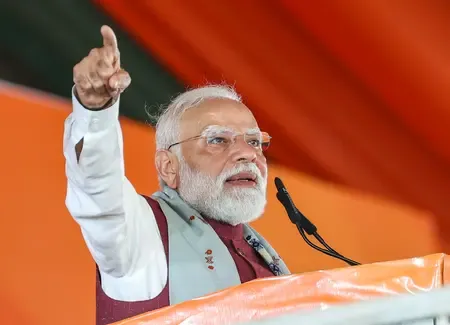
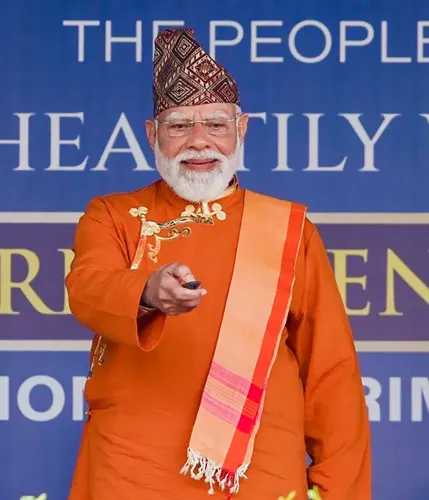
According to an official statement, Modi performed darshan and pooja at the Shri Kashi Vishwanath temple at around 8:30 am IST before travelling to Hardoi. At approximately 11:30 am IST, he inaugurated the expressway and addressed a public gathering. The project is described by the government as a transformative initiative that goes well beyond a conventional road project.
What the Expressway Covers
The Ganga Expressway is a 6-lane (expandable to 8 lanes) access-controlled corridor traversing 12 districts — Meerut, Bulandshahr, Hapur, Amroha, Sambhal, Badaun, Shahjahanpur, Hardoi, Unnao, Raebareli, Pratapgarh, and Prayagraj. Travel time between Meerut and Prayagraj is expected to drop from the current 10–12 hours to approximately 6 hours, according to the official statement.
Strategic and Security Value
A notable feature of the project is a 3.5-km Emergency Landing Facility (airstrip) in Shahjahanpur district, which the government says enhances national security preparedness and adds strategic value beyond economic benefits. This dual-use infrastructure positions the expressway as an asset with defence significance, not merely a commercial artery.
Economic and Agricultural Impact
The expressway is envisioned as a major economic corridor, with Integrated Manufacturing and Logistics Corridors planned across approximately 2,635 hectares spanning the 12 districts along its alignment. Officials say it will reduce logistics costs, strengthen supply chain efficiency, and improve manufacturing competitiveness. Farmers along the route are expected to gain direct access to urban and export markets, potentially improving price realisation and rural incomes, the statement noted.
Part of a Broader Expressway Grid
The Ganga Expressway is also intended to serve as a backbone for Uttar Pradesh's expanding expressway network. Several link corridors are either operational or planned, including the Agra–Lucknow Expressway, Jewar Link Expressway, Farrukhabad Link Expressway, and a proposed extension from Meerut to Haridwar. Together, this grid is expected to provide high-speed road connectivity across the state from east to west and north to south, enabling what officials describe as balanced regional development. The full economic impact of the corridor — on employment, industry, and agricultural income — will become clearer as the link corridors and manufacturing zones develop in the coming years.
Point of View
635-hectare manufacturing corridor and the link expressways that are meant to complete the grid. Past greenfield corridors in India have often seen industrial zones underutilised for years after road completion. The Shahjahanpur airstrip is a smart dual-use addition, but the agricultural income and employment promises hinge on last-mile connectivity that is rarely built at the same pace as the expressway itself. Uttar Pradesh has made infrastructure its political calling card under the current dispensation — the Ganga Expressway is the biggest bet yet, and its success or failure will shape the template for the state's next decade of development.
NationPress
18 Sept 2026
Frequently Asked Questions
What is the Ganga Expressway and where is it located?
The Ganga Expressway is a 594-km, 6-lane greenfield high-speed corridor in Uttar Pradesh, connecting Meerut in the west to Prayagraj in the east through 12 districts. It was built at a total cost of ₹36,230 crore and inaugurated by PM Modi on 29 April 2025.
How much will the Ganga Expressway reduce travel time?
According to the official statement, the expressway will cut travel time between Meerut and Prayagraj from the current 10–12 hours to approximately 6 hours, significantly improving transportation efficiency across the state.
What is the Emergency Landing Facility on the Ganga Expressway?
A 3.5-km airstrip in Shahjahanpur district has been built as an Emergency Landing Facility, allowing military aircraft to use the expressway in strategic situations. The government says this adds national security value beyond the corridor's economic purpose.
Which districts does the Ganga Expressway pass through?
The expressway traverses 12 districts: Meerut, Bulandshahr, Hapur, Amroha, Sambhal, Badaun, Shahjahanpur, Hardoi, Unnao, Raebareli, Pratapgarh, and Prayagraj, linking western, central, and eastern Uttar Pradesh.
What economic benefits are expected from the Ganga Expressway?
The government expects the corridor to reduce logistics costs, attract industrial investment through 2,635 hectares of planned manufacturing and logistics zones, improve farmers' access to urban and export markets, and generate direct and indirect employment across the 12 districts it covers.