Mahua Moitra Slams Delhi Police Over Alleged Brutality on Youth
Synopsis
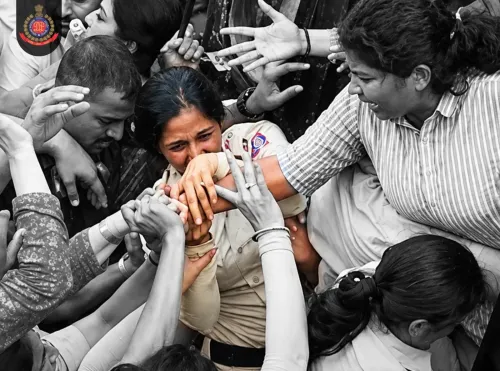
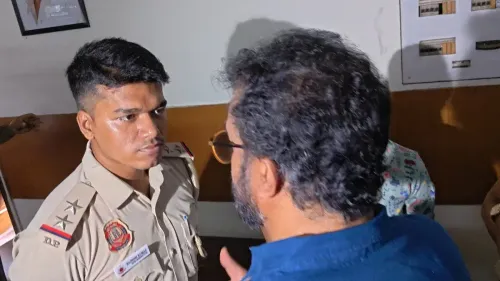
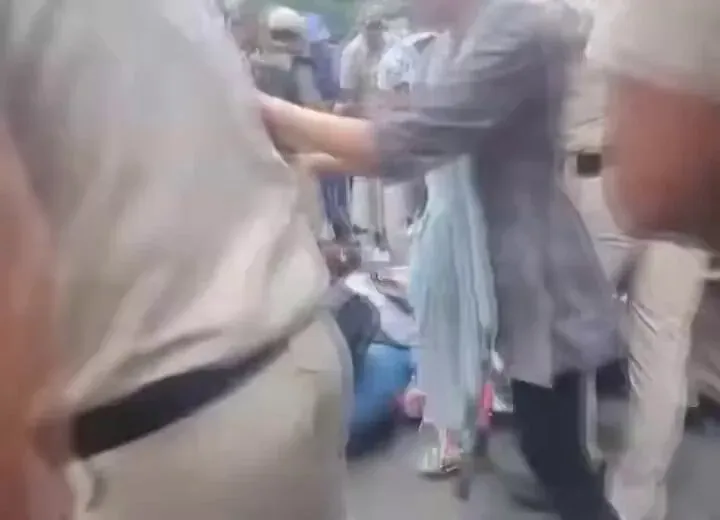
TMC MP Mahua Moitra on 20 July 2026 publicly condemned Delhi Police, citing a video in which personnel allegedly used abusive language and force against young people, and questioned whether the force serves citizens or the ruling dispensation.
Key Takeaways
TMC MP Mahua Moitra posted on X on 20 July 2026 attacking Delhi Police over alleged abusive language and brutality against youth.
She quoted the Hindi expletive 'Madarchodo ko maaro' , attributing it to police personnel in an apparent video.
Moitra used the term 'Motabhai' — a reference to PM Modi — to imply the force answers to the ruling party rather than taxpayers.
Delhi Police operates under the Union Ministry of Home Affairs , not the elected Delhi government, a long-standing accountability flashpoint.
The Supreme Court's 2006 police reform directives on independent oversight remain largely unimplemented.
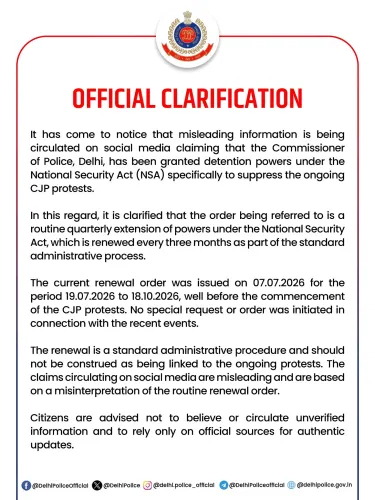
No official response from Delhi Police or MHA had been issued at the time of publication.
TMC MP Mahua Moitra on Monday, 20 July 2026 sharply attacked Delhi Police over a video purportedly showing personnel using abusive language and force against young people, questioning whether the force's uniform was granted by Prime Minister Narendra Modi — whom she referred to with the colloquial term 'Motabhai' — rather than by the public it is sworn to serve.
Context
Moitra's post on X quoted a Hindi expletive — 'Madarchodo ko maaro' (roughly, 'beat the motherf***ers') — which she attributed to Delhi Police personnel in an apparent video clip. She demanded accountability, writing: 'Taxpayers pay your salaries to keep law and order not unleash filth and brutality on our kids.' The reference to 'Motabhai' is a widely understood dig at Prime Minister Modi, implying the force answers to him rather than to citizens.
The specific incident, the precise identity of those referred to as 'kids,' and the exact circumstances of the video have not been independently verified. Delhi Police and the Ministry of Home Affairs had not issued a public response at the time of writing.
Policy Backdrop
Delhi Police is among the few metropolitan forces in India that operates directly under the Union Ministry of Home Affairs, not the elected state government — an arrangement that has been a recurring point of contention between the central government and successive Delhi administrations. Critics argue this structure insulates the force from local democratic accountability.
The Supreme Court's landmark 2006 directives on police reforms called for separating law-and-order and investigation functions and establishing independent oversight bodies. More than a decade and a half later, implementation of those directives remains patchy across most Indian states and at the central level.
Stakeholders and Impact
Students and young Delhi residents are the immediate stakeholders named in Moitra's post. Opposition parties, civil liberties groups, and student unions have previously raised concerns about the use of force during campus protests and street demonstrations in the capital.
TMC MPs and other opposition legislators have periodically used such incidents to press for parliamentary debate on federal control of Delhi's policing and the accountability mechanisms — or lack thereof — available to citizens who allege misconduct. Moitra's public post amplifies that pressure ahead of the next parliamentary session.
What's Next
Political observers will watch for an official response from Delhi Police or the Ministry of Home Affairs, and for whether Moitra or other opposition members raise the matter on the floor of Parliament in the coming session. Any formal complaint or demand for an inquiry could force a public accounting from the force's leadership.
The episode underscores a persistent structural tension: as long as Delhi Police reports to the Union government rather than an elected city administration, allegations of partisan deployment of force will continue to fuel demands for the kind of independent oversight the Supreme Court prescribed nearly two decades ago.
Point of View
Vernacular outrage with a structural critique: by invoking 'Motabhai,' she frames Delhi Police not as a neutral civic institution but as an instrument of the ruling dispensation. This fits a sustained opposition narrative that the force's unique subordination to the Union government — bypassing the elected Delhi administration — corrodes its accountability to ordinary citizens. The timing, with Parliament's next session approaching, suggests the post may be laying groundwork for a floor confrontation. Whether or not the specific incident is fully verified, the episode is likely to reignite calls for implementing the Supreme Court's long-pending police reform directives.
NationPress
20 Oct 2026
Frequently Asked Questions
What did Mahua Moitra say about Delhi Police on 20 July 2026?
Mahua Moitra posted on X condemning Delhi Police, quoting an alleged abusive slogan used by personnel against youth and accusing the force of unleashing 'filth and brutality' on young people instead of maintaining law and order.
Who controls Delhi Police and why is it controversial?
Delhi Police functions under the Union Ministry of Home Affairs, not the elected Delhi state government. This makes it unique among major city forces and has long been criticised by opposition parties as enabling partisan deployment of the force.
What is the Supreme Court's 2006 directive on police reforms?
In 2006, the Supreme Court issued directives requiring states and the Centre to separate law-and-order and investigation functions within police forces and establish independent oversight bodies. Implementation remains incomplete across most jurisdictions.
Who is 'Motabhai' that Mahua Moitra referred to?
'Motabhai' is a colloquial Gujarati term meaning 'elder brother' that opposition politicians commonly use to refer to Prime Minister Narendra Modi. Moitra used it to suggest Delhi Police takes its cues from the PM rather than from the public.
Has Delhi Police responded to Mahua Moitra's allegations?
As of the time of publication, neither Delhi Police nor the Ministry of Home Affairs had issued a public response to Moitra's post.