CM Mohan Yadav to expand rural transport via Sugam Parivahan Seva
Synopsis
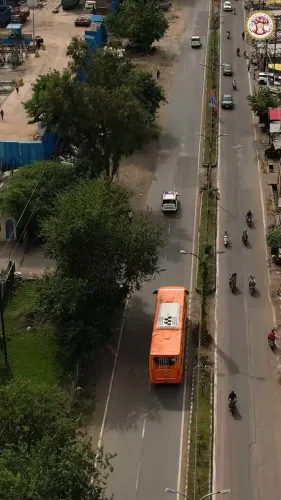
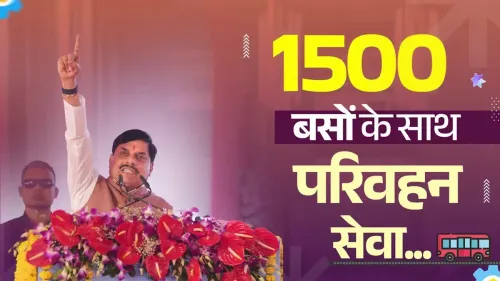
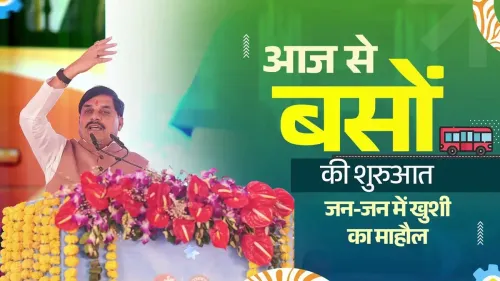
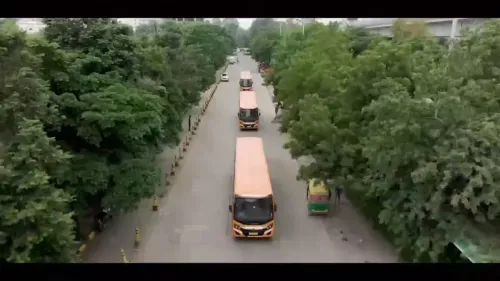
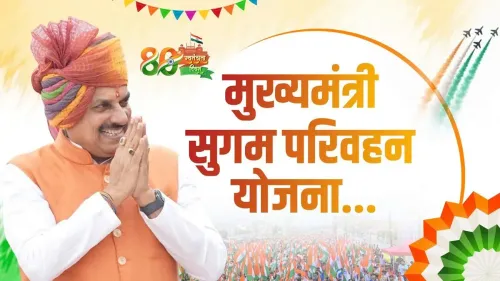
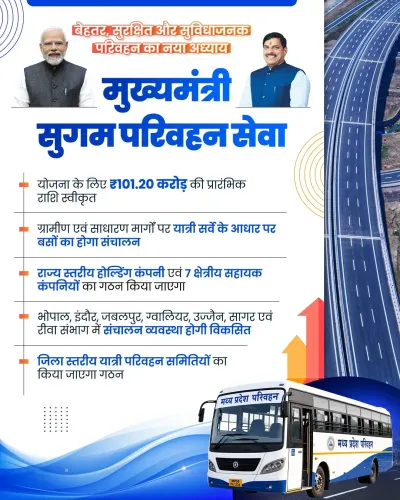
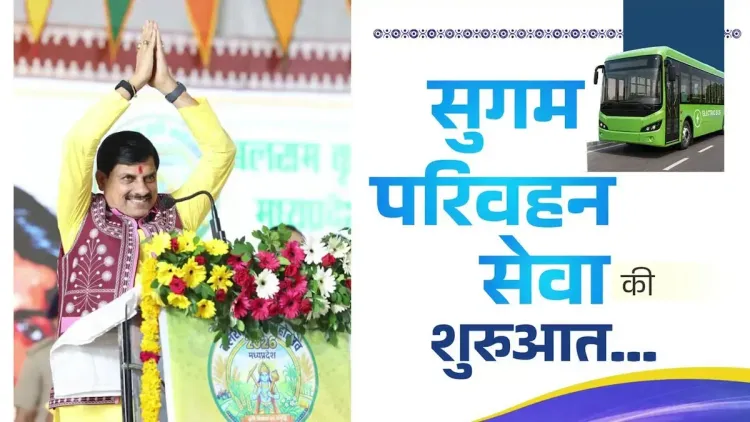
Chief Minister Dr. Mohan Yadav has announced that the Mukhya Mantri Sugam Parivahan Seva will expand public bus services to rural and remote areas of Madhya Pradesh, aiming to make last-mile transport accessible and affordable for village residents across the state.
Key Takeaways
The Chief Minister's Office of Madhya Pradesh announced the Mukhya Mantri Sugam Parivahan Seva on 23 July 2026 .
Mohan Yadav stated the scheme will make public transport 'more accessible and convenient' in rural areas.
The initiative targets villages and remote communities historically underserved by public bus networks.
The scheme builds on earlier rural road infrastructure programmes including central schemes like PMGSY .
Key operational details — including routes, fleet size, and budget — are yet to be officially announced.
Rural commuters including farmers, students, and daily-wage workers stand to be the primary beneficiaries.
The Chief Minister's Office of Madhya Pradesh announced on Thursday, 23 July 2026 that the state government will make public transport more accessible and convenient in rural areas through the Mukhya Mantri Sugam Parivahan Seva, with Chief Minister Dr. Mohan Yadav personally underscoring the initiative's reach.
Posting on X, CM Yadav stated: 'Mukhya Mantri Sugam Parivahan Seva ke madhyam se gramin kshetron mein bhi sarvajanik parivahan ko adhik sulabh aur suvidhajanank banaya jayega' — ('Through the Mukhya Mantri Sugam Parivahan Seva, public transport will be made more accessible and convenient even in rural areas.')
Context
Madhya Pradesh is one of India's largest states by area, with a significant share of its population residing in villages and semi-urban pockets that have historically lacked reliable bus connectivity. The Mukhya Mantri Sugam Parivahan Seva is a state transport scheme designed to bridge this gap by extending public bus services to remote and underserved rural communities.
The announcement comes as the Dr. Mohan Yadav-led government, in office since December 2023, continues to prioritise rural infrastructure and last-mile connectivity as part of its broader development agenda for the state.
Policy Backdrop
Successive governments in Madhya Pradesh have periodically expanded rural road and transport networks, building on central programmes such as the Pradhan Mantri Gram Sadak Yojana (PMGSY), which focused on rural road construction. State-level transport schemes have typically added a service-delivery layer on top of this physical infrastructure, ensuring that roads are matched with bus routes and scheduled services.
Across BJP-governed states, affordable rural transport has emerged as a recurring policy priority, with schemes aimed at reducing the urban-rural mobility gap. The Mukhya Mantri Sugam Parivahan Seva fits squarely within this pattern, signalling the state government's intent to complement road infrastructure with operational public transport services.
Stakeholders and Impact
The primary beneficiaries of the scheme are rural commuters — farmers travelling to mandis, students reaching schools and colleges, and daily-wage workers accessing urban job markets. Improved connectivity is widely seen as a driver of economic inclusion, enabling residents of remote villages to participate more fully in the formal economy.
District-level transport authorities and state bus corporations are expected to play a key role in implementing new routes and deploying vehicles under the scheme. The initiative could also reduce dependence on expensive private transport options in areas where public services have been thin or absent.
What's Next
Key details to watch include the official rollout schedule for Mukhya Mantri Sugam Parivahan Seva, the number of new routes to be added, the fleet of vehicles to be deployed, and how the scheme will integrate with existing district transport frameworks. Budget allocations and phased timelines, once announced, will determine the pace and scale of implementation across Madhya Pradesh's rural belt.
If executed at scale, the scheme could set a template for other states grappling with similar rural mobility deficits, reinforcing the broader national push toward equitable infrastructure access.
Point of View
Who took office in late 2023, the initiative serves as a visible governance signal ahead of the state's ongoing development cycle. The scheme's real test will lie in execution — whether new routes translate into regular, reliable services or remain aspirational announcements. Nationally, rural last-mile connectivity has become a competitive policy space, with multiple states vying to demonstrate inclusive infrastructure credentials.
NationPress
22 Oct 2026
Frequently Asked Questions
What is the Mukhya Mantri Sugam Parivahan Seva in Madhya Pradesh?
The Mukhya Mantri Sugam Parivahan Seva is a Madhya Pradesh state government scheme aimed at expanding accessible and affordable public bus transport to rural and remote areas of the state that have historically lacked reliable connectivity.
Who announced the Mukhya Mantri Sugam Parivahan Seva?
Chief Minister Dr. Mohan Yadav of Madhya Pradesh announced the scheme via the official Chief Minister's Office account on X on 23 July 2026.
Who will benefit from the Sugam Parivahan Seva in Madhya Pradesh?
The primary beneficiaries are rural commuters including farmers, students, and daily-wage workers in villages and remote areas of Madhya Pradesh who currently lack access to regular public transport.
How does the Sugam Parivahan Seva relate to central government schemes?
The scheme builds on central infrastructure programmes like the Pradhan Mantri Gram Sadak Yojana, adding a state-level service-delivery layer by providing bus services on roads already constructed under such programmes.
When will the Mukhya Mantri Sugam Parivahan Seva be launched?
An exact launch date and operational details have not yet been officially announced; the government's statement on 23 July 2026 outlined the intent and scope of the scheme without specifying a rollout timeline.