MP CM Mohan Yadav marks Janjatiya Gaurav Divas
Synopsis
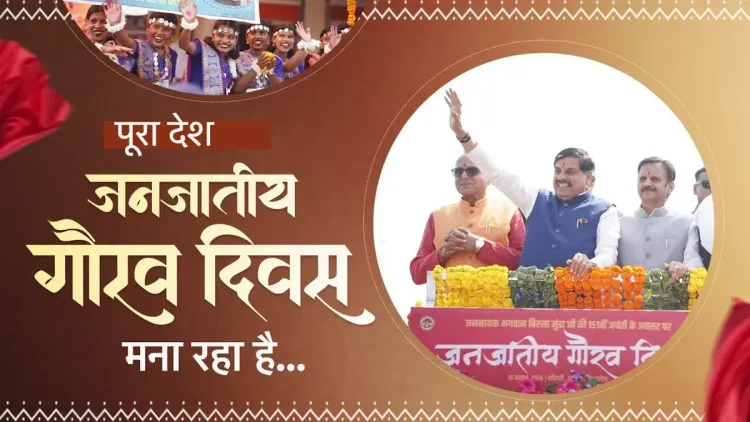
Madhya Pradesh CM Dr. Mohan Yadav observed Janjatiya Gaurav Divas on 15 November, crediting PM Modi for officially recognising Birsa Munda's birth anniversary as a national day to honour tribal valour, sacrifice, and heritage.
Key Takeaways
The Chief Minister's Office of Madhya Pradesh marked Janjatiya Gaurav Divas on 15 November , celebrated annually on the birth anniversary of Birsa Munda .
Mohan Yadav credited Prime Minister Narendra Modi with establishing the national observance, calling it recognition of tribal valour and heritage.
Birsa Munda (born 1875 ) led the Ulgulan movement against British colonial rule and is revered as 'Dharti Aaba' across tribal communities.
The Union Government officially declared 15 November as Janjatiya Gaurav Divas in 2021 , coordinated through the Ministry of Tribal Affairs .
Madhya Pradesh is among India's states with one of the largest Scheduled Tribe populations , giving the observance particular resonance in the state.
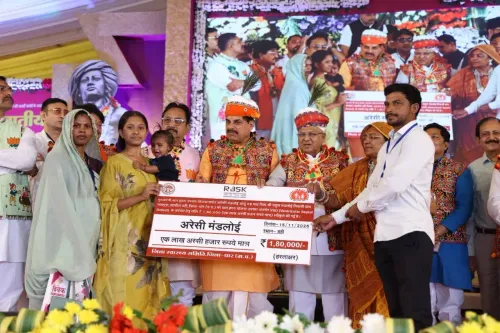
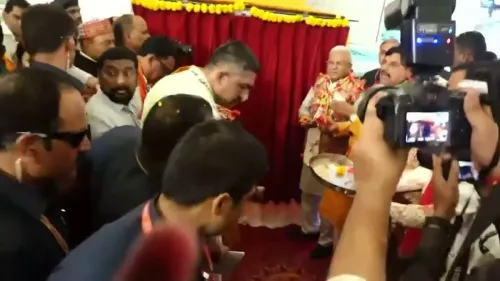
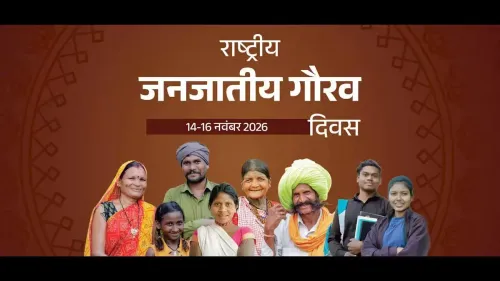
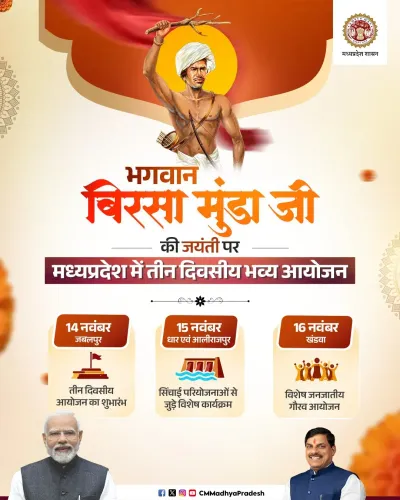
On Janjatiya Gaurav Divas — the national day honouring tribal pride observed every 15 November — Madhya Pradesh Chief Minister Dr. Mohan Yadav paid tribute to the vision that gave the occasion its name, crediting Prime Minister Narendra Modi for elevating tribal heritage to the national stage.
Posting from the Chief Minister's Office of Madhya Pradesh on 16 November 2026, CM Yadav wrote: 'यशस्वी प्रधानमंत्री श्री नरेंद्र मोदी जी के नेतृत्व में भगवान बिरसा मुंडा की जयंती को राष्ट्रीय जनजातीय गौरव दिवस के रूप में मनाने की शुरुआत हुई।' ('Under the leadership of Prime Minister Narendra Modi, the birth anniversary of Bhagwan Birsa Munda was established as National Janjatiya Gaurav Divas.') He called it 'an important initiative to give national recognition and honour to the valour, sacrifice, struggle, and glorious heritage of tribal society.'
Who was Birsa Munda — and why does the date matter
Birsa Munda, born on 15 November 1875 in the Jharkhand region, became one of the most iconic figures of India's anti-colonial resistance. He led the Ulgulan ('The Great Tumult') movement in the late 19th century — a mass uprising against British land-annexation policies and the exploitation of tribal communities. He died in British custody in 1900, aged just 25, but left behind a legacy so enduring that tribal communities across central and eastern India continue to revere him as 'Dharti Aaba' (Father of the Earth).
Choosing 15 November — his birth anniversary — as the annual observance date is itself a pointed act of historical reclamation. For generations, tribal contributions to India's freedom struggle were marginal footnotes in mainstream national narratives. The day pushes them to the foreground.
The 2021 declaration that made it official
The Union Government officially declared 15 November as Janjatiya Gaurav Divas in 2021, under Prime Minister Modi. The Ministry of Tribal Affairs, the nodal body for Scheduled Tribe welfare, coordinates observances nationally. The move was framed as recognition of tribal communities' centuries-long resistance to colonial rule — a history that spans not just Birsa Munda's Ulgulan but dozens of lesser-known uprisings across what are now Jharkhand, Madhya Pradesh, Chhattisgarh, Odisha, and the Northeast.
Madhya Pradesh, home to one of India's largest Scheduled Tribe populations, has been a central stage for these commemorations. The state's tribal belt stretches across its eastern and central districts, making the annual observance politically and culturally significant for the state government.
Tribal heritage in mainstream politics — a growing pattern
The institutionalisation of Janjatiya Gaurav Divas is part of a broader national effort to integrate tribal historical figures into official commemoration calendars and cultural programming. Central and state governments have increasingly paired such recognition with targeted welfare and infrastructure announcements in tribal-majority districts — linking symbolic honour with material policy.
CM Yadav's post, tagging both @TribalAffairsIn (the Ministry of Tribal Affairs) and @WelfareTribal, signals coordination across the institutional chain on this occasion. For India's tribal communities — roughly 8 per cent of the national population — the question of whether symbolic recognition translates into durable development outcomes remains the sharper, longer story.
Point of View
The government positions itself as the institutional custodian of a legacy that Congress-era national narratives largely overlooked. For Madhya Pradesh — a state with deep tribal constituencies in its eastern belt — CM Yadav's public alignment with the national occasion reinforces the state-Centre coordination narrative the BJP has cultivated since 2021. The harder test, analysts note, lies in whether welfare delivery in tribal districts keeps pace with the commemorative energy.
NationPress
16 Nov 2026
Frequently Asked Questions
What is Janjatiya Gaurav Divas and when is it celebrated?
Janjatiya Gaurav Divas is a national day celebrated every 15 November — the birth anniversary of tribal leader Birsa Munda — to honour the contributions, valour, and heritage of India's tribal communities. The Union Government officially declared it in 2021 .
Who was Birsa Munda?
Birsa Munda was a 19th-century tribal leader born on 15 November 1875 who led the Ulgulan ( The Great Tumult ) uprising against British colonial land policies in the Jharkhand region. He died in British custody in 1900 and is revered as 'Dharti Aaba' (Father of the Earth).
Why did PM Modi declare 15 November as Janjatiya Gaurav Divas?
Prime Minister Narendra Modi 's government declared 15 November as Janjatiya Gaurav Divas in 2021 to give national recognition to tribal communities' centuries-long resistance to colonial rule and their broader cultural and historical contributions to India.
What did Madhya Pradesh CM Mohan Yadav say on Janjatiya Gaurav Divas 2026?
CM Dr. Mohan Yadav posted that the observance is 'an important initiative to give national recognition and honour to the valour, sacrifice, struggle, and glorious heritage of tribal society,' crediting PM Modi for establishing the national day.
Which ministry organises Janjatiya Gaurav Divas events?
The Ministry of Tribal Affairs is the nodal central ministry that coordinates Janjatiya Gaurav Divas observances nationally, working alongside state governments and tribal welfare departments.