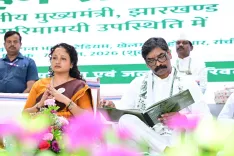
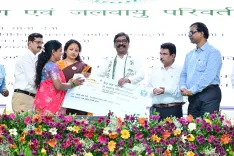
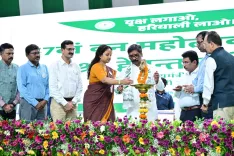
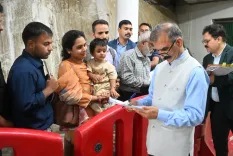
MP CM Mohan Yadav Launches Jan Vishwas Abhiyan from Chhindwara
Synopsis
Chief Minister Dr. Mohan Yadav launched Jan Vishwas Abhiyan 2026 from Chhindwara on 7 August, committing to weekly Friday public outreach, faster grievance resolution, and pushing government schemes to their defined targets through active participation of elected representatives.
Key Takeaways
Jan Vishwas Abhiyan 2026 was formally launched from Chhindwara district on 7 August 2026 .
Mohan Yadav outlined four goals: expanding public amenities, accelerating development concepts, deepening citizen participation, and setting future planning dimensions.
Elected representatives are being stationed in their own constituencies to resolve pending complaints and drive scheme delivery.
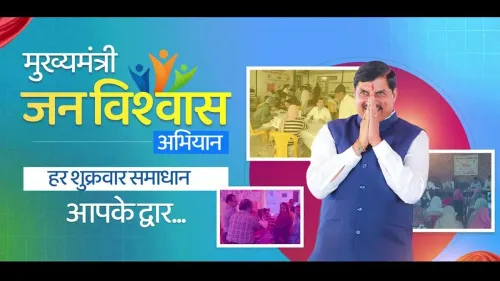
The campaign follows a weekly Friday cadence under the theme #हर_शुक्रवार_जनता_के_नाम ('Every Friday, dedicated to the public').
Madhya Pradesh has run similar grievance-monitoring drives since 2019 , with the current campaign adding a sharper focus on measurable targets.
The rollout is expected to extend across other Madhya Pradesh districts in subsequent weeks.
A governance drive aimed at closing the gap between state schemes and the citizens they are meant to serve got its formal start on Friday, 7 August 2026, when the Chief Minister's Office of Madhya Pradesh announced the launch of Jan Vishwas Abhiyan 2026 from Chhindwara district — a signal that the campaign's first footprint falls in one of the state's most agrarian and tribal-heavy regions.
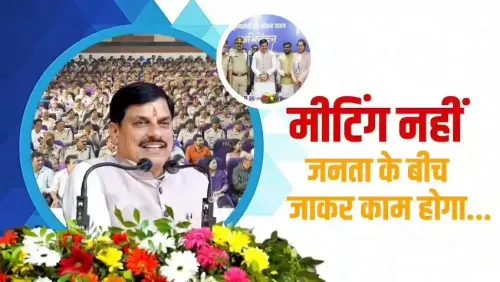
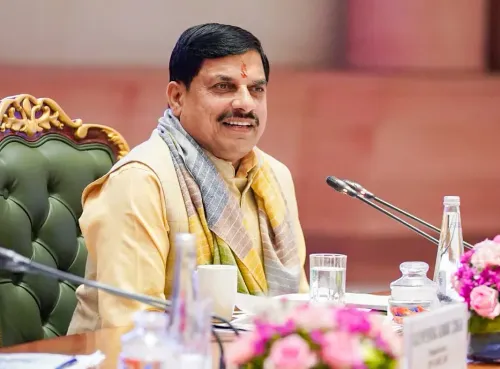
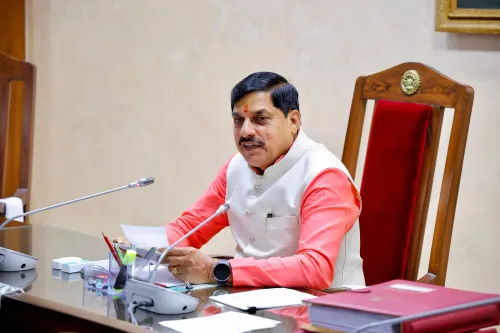
Chief Minister Dr. Mohan Yadav described the campaign as a four-pronged push: expanding public amenities, accelerating new concepts of development, deepening citizen participation, and charting the dimensions of future planning. In his words, the drive is moving 'rapidly forward' on resolving pending grievances while pushing government schemes toward their defined targets.
What Jan Vishwas Abhiyan is designed to do
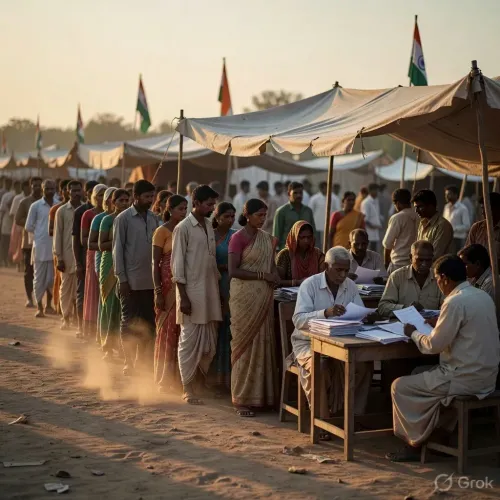
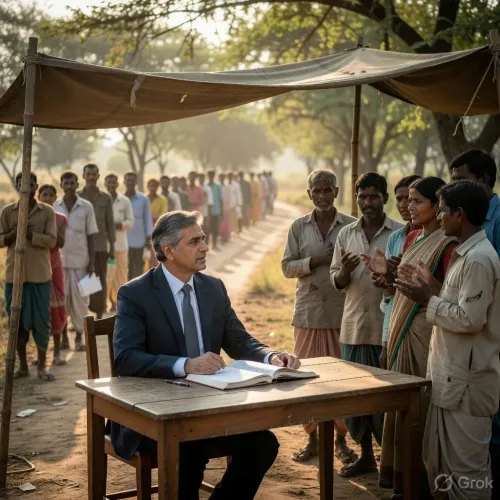
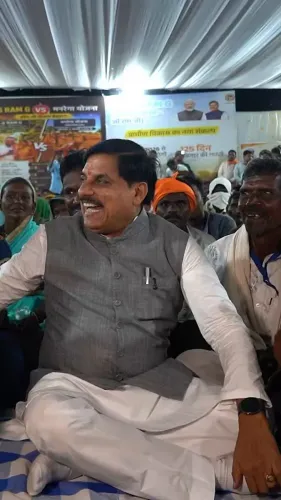
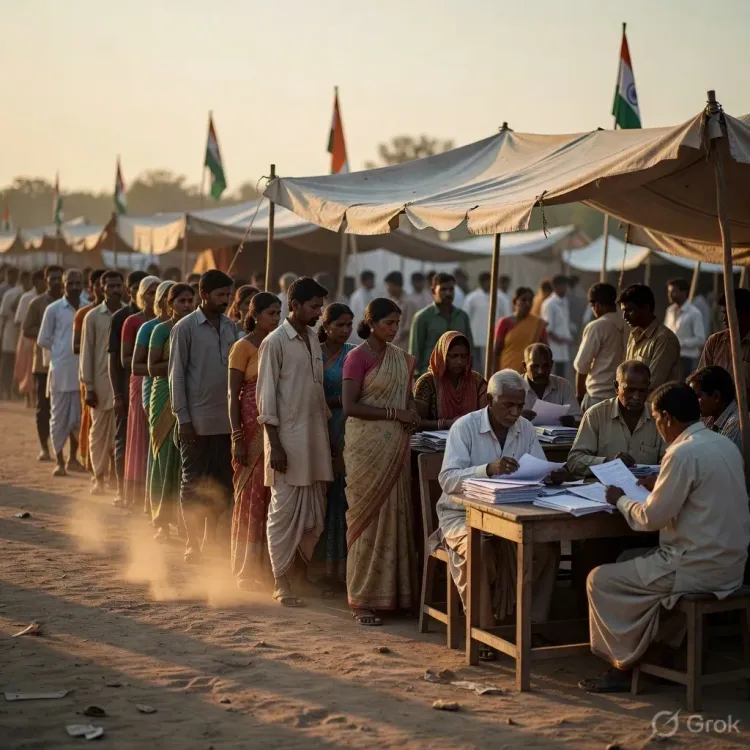
At its core, the campaign functions as a structured last-mile accountability exercise. Elected representatives are being deployed directly into their constituencies — meeting residents, fielding complaints, and ensuring that welfare schemes reach their intended beneficiaries rather than stalling in administrative pipelines. The hashtag #हर_शुक्रवार_जनता_के_नाम ('Every Friday, dedicated to the public') frames the initiative as a recurring weekly commitment, not a one-off event.
This Friday-as-outreach-day format has precedent across several Indian states, echoing the jan darbar tradition where officials hold open public hearings on a fixed schedule. Madhya Pradesh itself has run similar grievance-and-scheme monitoring drives since 2019, though the current campaign carries a sharper emphasis on measurable targets and representative accountability.
Why Chhindwara as the starting point matters
Chhindwara sits at the heart of central Madhya Pradesh, with a substantial tribal population and an economy anchored in agriculture and local development programmes. Choosing it as the launch district is a deliberate signal: the campaign is not beginning in an administrative capital but in a constituency where scheme delivery gaps are tangible and where public trust in government outreach has historically been tested.
The broader pattern across Indian state governance is consistent — district-level campaigns that combine grievance disposal with scheme monitoring tend to generate political visibility while creating at least short-term pressure on bureaucratic delivery chains. Whether Jan Vishwas Abhiyan 2026 translates that pressure into measurable outcomes will depend on how consistently the Friday cadence is maintained and how rigorously complaint disposal rates are tracked as the drive rolls out to other districts.
The next test: whether the campaign's momentum holds beyond its headline launch week and reaches every corner of the state with the same urgency it carried in Chhindwara.
Point of View
Who took office in December 2023, the Friday public-contact format is an attempt to institutionalise accountability rather than leave it to ad-hoc drives. The choice of Chhindwara — a politically significant and historically contested district — as the starting point is unlikely to be accidental. Whether the campaign generates durable improvements in scheme delivery or remains a visibility exercise will be the real measure of its success.
NationPress
7 Aug 2026
Frequently Asked Questions
What is Jan Vishwas Abhiyan 2026 in Madhya Pradesh?
Jan Vishwas Abhiyan 2026 is a state government campaign launched by CM Dr. Mohan Yadav to resolve pending public grievances, accelerate delivery of government schemes, and strengthen citizen participation through weekly Friday outreach by elected representatives.
Where was Jan Vishwas Abhiyan 2026 launched?
The campaign was launched from Chhindwara district in central Madhya Pradesh on 7 August 2026 .
What does #हर_शुक्रवार_जनता_के_नाम mean?
It translates to 'Every Friday, dedicated to the public' and reflects the campaign's commitment to a recurring weekly public-contact day for grievance redressal and scheme monitoring.
What role do elected representatives play in Jan Vishwas Abhiyan?
Under the campaign, elected representatives are expected to go directly into their constituencies, meet residents, address complaints, and ensure government schemes reach their intended beneficiaries.
Has Madhya Pradesh run similar campaigns before?
Yes. The state has conducted periodic public grievance and scheme monitoring drives since 2019 under previous administrations, with the current campaign building on that lineage while adding a structured weekly format.