MP CM Mohan Yadav Launches Multilingual Semiconductor Policy at Indore Summit
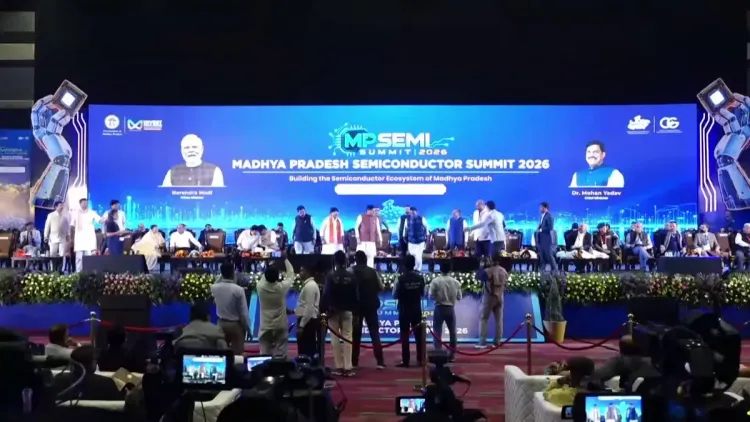
Synopsis
At the MP Semiconductor Summit 2026 in Indore, Chief Minister Dr. Mohan Yadav released Japanese, Taiwanese, and Korean editions of the MPSEDC Policy-2025, directly targeting East Asia's semiconductor supply-chain leaders as Madhya Pradesh bids to become a chip-era investment destination.
Key Takeaways
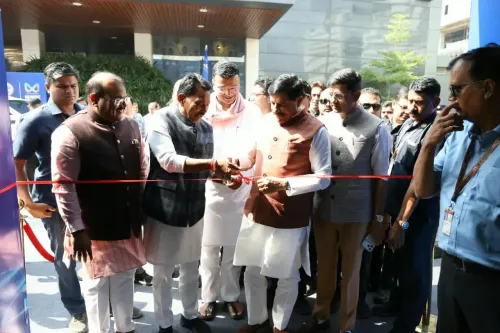
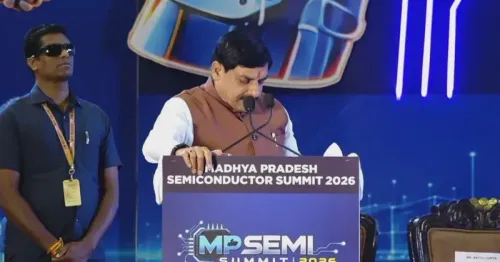
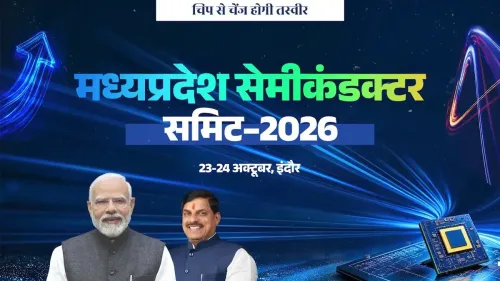
Mohan Yadav released the MPSEDC Policy-2025 in Japanese, Taiwanese, and Korean languages at the MP Semiconductor Summit 2026 in Indore on 23 October 2026 .
MPSEDC — Madhya Pradesh State Electronics Development Corporation Limited — is the state's nodal agency for electronics and IT policy.
The multilingual release is designed to reduce due-diligence friction for East Asian semiconductor firms evaluating India investment locations.
India's Union Cabinet approved the India Semiconductor Mission in 2021 , creating the central policy foundation that state-level frameworks now build upon.
Multiple Indian states are competing to attract semiconductor FDI from Japan, Taiwan, and South Korea — Madhya Pradesh's summit positions it as an active contender.
Investor commitments and MOUs emerging from the summit will be the key indicator of whether the outreach converts to on-ground investment.
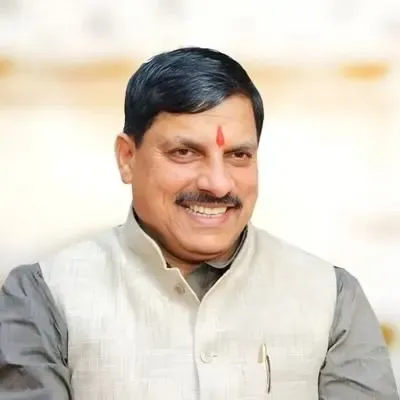
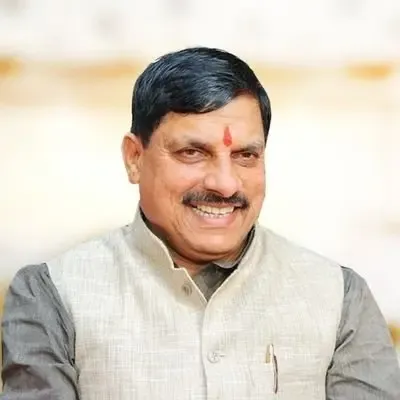
Indore just sent a signal to Tokyo, Taipei, and Seoul. At the Madhya Pradesh Semiconductor Summit 2026 in Indore, Chief Minister Dr. Mohan Yadav released Japanese, Taiwanese, and Korean language editions of the Madhya Pradesh State Electronics Development Corporation Limited (MPSEDC) Policy-2025 — a pointed move to court East Asia's semiconductor supply-chain giants on their own terms.
A Policy That Speaks Three New Languages
Translating a state industrial policy into Japanese, Taiwanese, and Korean is not a ceremonial exercise — it is a procurement pitch. It tells semiconductor firms in East Asia's three dominant chip-industry nations that Madhya Pradesh is not waiting for intermediaries; the invitation is readable without a translator. The MPSEDC Policy-2025, the state's framework for electronics and semiconductor sector development, now exists in five linguistic editions including the original.
The Chief Minister's Office posted the development on Friday, 23 October 2026, tagging MPSEDC and MAPIT — the state's technology implementation agencies — signalling an official, coordinated push rather than a standalone announcement.
Why Indore, Why Now
The summit arrives as Indian states race to position themselves inside a global semiconductor supply-chain that is actively diversifying away from a handful of concentrated hubs. India's Union Cabinet approved the India Semiconductor Mission in 2021, committing central support to build a domestic chip and display manufacturing ecosystem. Several states have since layered their own policies on top — dedicated electronics frameworks designed to pull foreign direct investment, particularly from Japan, Taiwan, and South Korea, which collectively anchor the world's most critical chip-making capacity.
Madhya Pradesh, historically not among India's top electronics manufacturing destinations, is staking a claim. Hosting a dedicated semiconductor summit and releasing a state policy in the languages of potential investors is exactly the kind of ground-level competition that determines where factories eventually land.
What the Multilingual Release Tells Investors
For a Japanese, Taiwanese, or Korean firm doing preliminary due diligence, encountering a state policy in their own language reduces friction at the earliest — and most decisive — stage of site selection. Dr. Mohan Yadav, in office since December 2023, has pursued an investment-attraction agenda that includes international roadshows; the multilingual policy release extends that outreach into the technical documents themselves.
The next measure of intent will be investor commitments — memoranda of understanding or letters of intent announced at or around the summit. Those numbers, if they materialise, will be the real scoreboard.
Madhya Pradesh has translated its ambition into three new languages. Whether East Asia's semiconductor titans respond in kind will define the summit's true legacy.
Point of View
Taiwanese, and Korean is a tactically shrewd move that collapses one of the earliest barriers in cross-border investment prospecting — language. It reflects a broader pattern of Indian state governments moving beyond passive incentive announcements toward active, targeted outreach to specific East Asian supply-chain ecosystems. For Dr. Mohan Yadav, who has anchored his economic agenda on investment summits since taking office in late 2023, the multilingual policy is also a political signal: that Madhya Pradesh is capable of competing in a sophisticated global race, not just hosting photo-opportunity events. The real test, however, is conversion — whether the translated documents become signed agreements.
NationPress
23 Oct 2026
Frequently Asked Questions
What is the MP Semiconductor Summit 2026?
The Madhya Pradesh Semiconductor Summit 2026 is a state-level investment summit held in Indore to attract semiconductor and electronics manufacturers, particularly from East Asian countries.
What is MPSEDC Policy-2025?
MPSEDC Policy-2025 is Madhya Pradesh's state framework for electronics and semiconductor sector development, formulated by the Madhya Pradesh State Electronics Development Corporation Limited to guide and incentivise investment in the sector.
Why was the semiconductor policy translated into Japanese, Taiwanese, and Korean?
The multilingual editions target investors from Japan, Taiwan, and South Korea — the three dominant players in the global semiconductor supply chain — making it easier for firms to evaluate Madhya Pradesh as an investment destination without language barriers.
What is India's Semiconductor Mission?
India's Semiconductor Mission was approved by the Union Cabinet in 2021 to build a domestic semiconductor and display manufacturing ecosystem, providing a central policy foundation that state-level initiatives like MPSEDC Policy-2025 complement.
Who is Dr. Mohan Yadav?
Dr. Mohan Yadav is the Chief Minister of Madhya Pradesh, in office since December 2023, and has pursued an active investment-attraction agenda including international roadshows and industry summits.