MP CM Mohan Yadav launches Narmada lift irrigation for 72,000 farmers
Synopsis
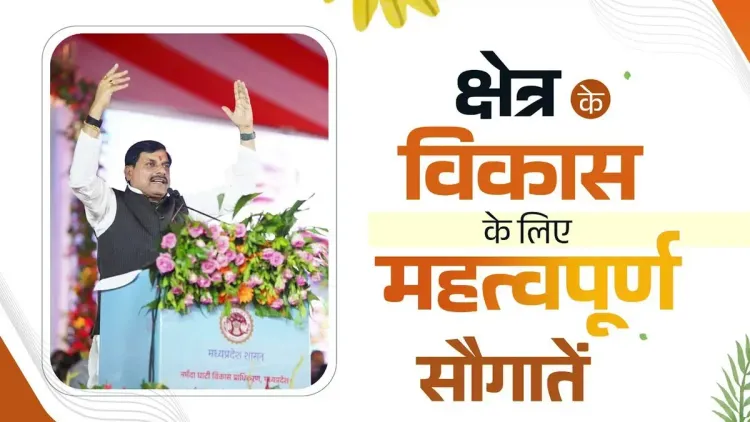
Chief Minister Dr. Mohan Yadav inaugurated the Narmada–Jhabua–Petlawad–Thandla–Sardarpur Micro Lift Irrigation Project, promising water to 57,422 hectares across 260 villages, while dedicating ₹40 crore in infrastructure and announcing a medical college for Dhar and national recognition for the Bhagoria festival.
Key Takeaways
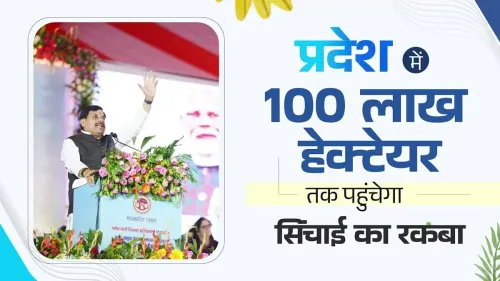
The Narmada–Jhabua–Petlawad–Thandla–Sardarpur Micro Lift Irrigation Project will irrigate 57,422 hectares across Dhar and Jhabua districts.
More than 72,000 farmers in 260 villages are expected to benefit from the scheme.
Four bridges costing over ₹25 crore were inaugurated, alongside roads, culverts, schools, and panchayat buildings worth ₹15 crore .
The Bhagoria festival , a Bhil tribal tradition in the Jhabua region, has been recognised as a national festival .
Mohan Yadav announced that a medical college will be established in Dhar ; timeline and budget are yet to be confirmed.
The investments form part of MP's broader integrated rural development push in Scheduled Area tribal districts.
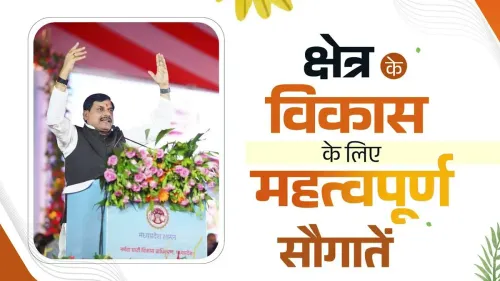
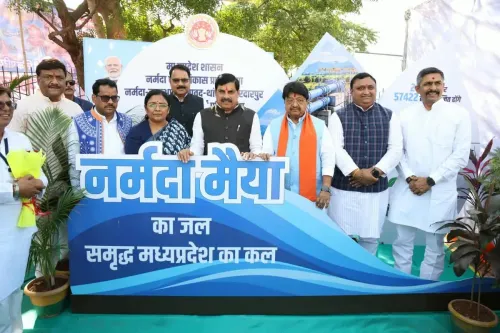
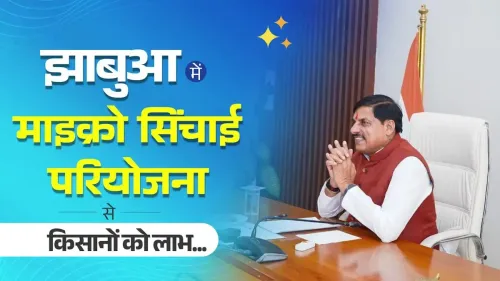
Seventy-two thousand farmers across 260 villages in western Madhya Pradesh are about to get something they have waited generations for — reliable irrigation water. The Chief Minister's Office of Madhya Pradesh announced on Saturday, 24 October 2026 that Chief Minister Dr. Mohan Yadav formally inaugurated the Narmada–Jhabua–Petlawad–Thandla–Sardarpur Micro Lift Irrigation Project, a scheme designed to carry Narmada basin water deep into the tribal heartland of Dhar and Jhabua districts.
57,422 hectares set to turn green in Dhar and Jhabua
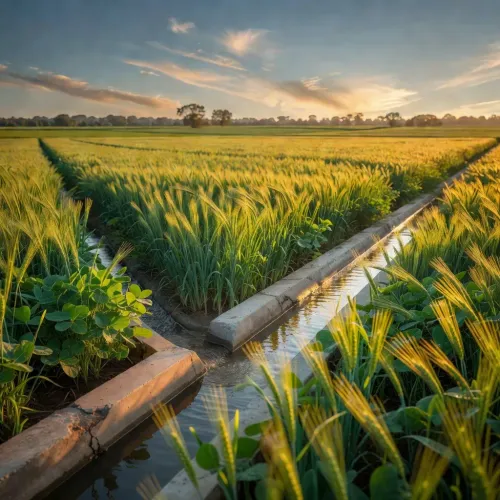
The project will bring irrigation coverage to 57,422 hectares of farmland — land that has historically depended on erratic monsoon rains. For the Bhil and other tribal farming communities of this western belt, that shift from rain-fed to assured irrigation is not an incremental improvement; it is a structural change in livelihood. CM Yadav, quoted in the official post, stated that the project would benefit '72 hazaar se adhik kisanon' ('more than 72,000 farmers') across both districts.
Madhya Pradesh has been expanding lift irrigation networks in the Narmada valley through successive state schemes and central support under the Pradhan Mantri Krishi Sinchayee Yojana (PMKSY) since the mid-2010s. This project extends that push into Scheduled Area districts — constitutionally designated tribal zones — where irrigated acreage has historically lagged the state average.
Four bridges, roads, schools, and panchayat halls dedicated in a single event
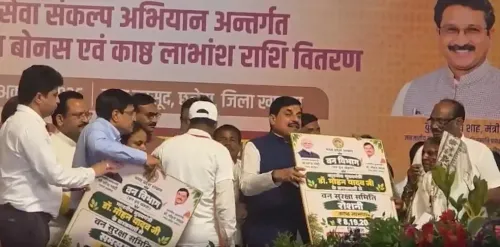
The inauguration went well beyond water. The CM also dedicated four bridges built at a combined cost of over ₹25 crore, along with roads, culverts, school buildings, and panchayat bhavans constructed under an outlay of ₹15 crore. The bundling of infrastructure across sectors — connectivity, water, education, local governance — reflects the integrated rural development model that successive Madhya Pradesh governments have applied in tribal-belt districts.
Better roads in Dhar and Jhabua matter beyond convenience. These districts border Gujarat and Rajasthan, and improved connectivity can open new agricultural markets for produce that currently struggles to reach mandis before spoilage.
Bhagoria festival earns national recognition, Dhar to get a medical college
The announcement carried two significant cultural and social additions. CM Yadav declared that the Bhagoria festival — the vibrant pre-Holi harvest and courtship celebration of the Bhil tribal community, centred in the Jhabua region — has been accorded recognition as a national festival. The move signals an effort to mainstream tribal cultural identity into India's broader festive calendar.
Equally notable: the CM announced that a medical college will be established in Dhar. The district currently lacks a government medical college, forcing patients and aspiring medical students to travel to Indore or beyond. No confirmed timeline or budget for the college was detailed in the official statement, and those specifics remain to be formalised.
Taken together, Saturday's event in Dhar was less a ribbon-cutting than a policy statement — water security, road connectivity, cultural dignity, and healthcare access, announced in one sweep for a region that has long sat at the margins of development indices.
The test now is delivery: whether the lift irrigation infrastructure reaches the last farm, whether the bridges hold up to monsoon loads, and whether the medical college moves from announcement to foundation stone. Western MP's tribal farmers are watching — and they have learned to count completed projects, not just promised ones.
Point of View
Tangible deliverables (water, bridges, roads, schools) with cultural affirmations (Bhagoria recognition) and aspirational announcements (medical college) into a single high-impact public moment. For Dr. Mohan Yadav, whose political identity is still consolidating after taking charge in December 2023, delivering in the tribal western belt is strategically critical: Dhar and Jhabua together send several assembly segments and have historically been swing territory. The medical college announcement, however, carries the familiar risk of big-ticket promises without confirmed timelines — a pattern that erodes credibility if groundbreaking is delayed. The real measure of this event's significance will be the pace of actual water delivery to farms, not the inauguration ceremony.
NationPress
24 Oct 2026
Frequently Asked Questions
What is the Narmada–Jhabua micro lift irrigation project in Madhya Pradesh?
It is a state irrigation scheme that draws water from the Narmada basin and lifts it to farmland across 260 villages in Dhar and Jhabua districts, covering 57,422 hectares and benefiting over 72,000 farmers .
How many farmers will benefit from the Jhabua irrigation project?
More than 72,000 farmers across 260 villages in Dhar and Jhabua districts are expected to benefit, according to the announcement by CM Dr. Mohan Yadav.
What is the Bhagoria festival and why has it been given national recognition?
The Bhagoria festival is a traditional pre-Holi harvest and courtship celebration of the Bhil tribal community in the Jhabua region. CM Yadav announced it has been recognised as a national festival , elevating its cultural profile beyond Madhya Pradesh.
Will Dhar get a government medical college?
CM Dr. Mohan Yadav announced that a medical college will be established in Dhar . However, the confirmed timeline and budget for the project have not yet been detailed officially.
What infrastructure was inaugurated in Dhar along with the irrigation project?
Four bridges built at a cost of over ₹25 crore , and roads, culverts, school buildings, and panchayat bhavans worth ₹15 crore were dedicated at the same event.