CM Mohan Yadav to disburse ₹490 cr to 950 MSMEs at Udyam Sammelan
Synopsis
Madhya Pradesh CM Dr. Mohan Yadav will distribute ₹490 crore to 950 MSMEs and ₹1.50 crore to over 100 startups at the Udyam Sammelan on 1 November 2026, alongside land allotment letters and Udyam Kranti Yojana loans.
Key Takeaways
₹490 crore in financial assistance to be distributed to 950 MSME units at the Udyam Sammelan.
Over 100 startups to receive seed funding totalling ₹1.50 crore at the same event.
Land allotment intent letters and Udyam Kranti Yojana loans to be handed over in the same session.
Mohan Yadav will personally oversee the disbursements on 1 November 2026 .
The event reflects Madhya Pradesh 's strategy of decentralised, direct-transfer industrial promotion beyond large investor summits.
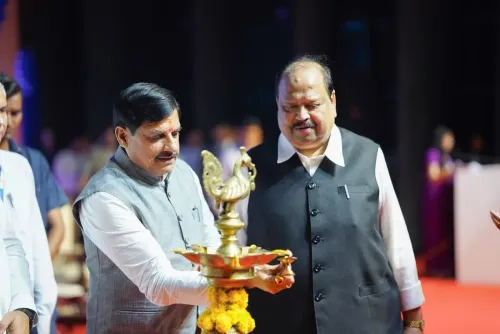
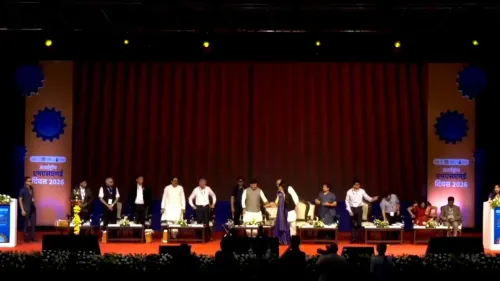
Hundreds of small businesses and first-generation entrepreneurs in Madhya Pradesh are set to receive a direct financial lifeline on Sunday, 1 November 2026, as Madhya Pradesh Chief Minister Dr. Mohan Yadav chairs the state-level Udyam Sammelan — a flagship gathering designed to put government money into working hands, fast.
Posting on X before the event, Dr. Yadav announced he would personally distribute ₹490 crore in financial assistance to 950 MSME units and seed funding of ₹1.50 crore to over 100 startups at the conference. The disbursements will be accompanied by land allotment intent letters and loan distribution to beneficiaries of the Udyam Kranti Yojana — the state's dedicated credit-support scheme for small enterprises and new entrepreneurs.
What the Udyam Sammelan puts on the table
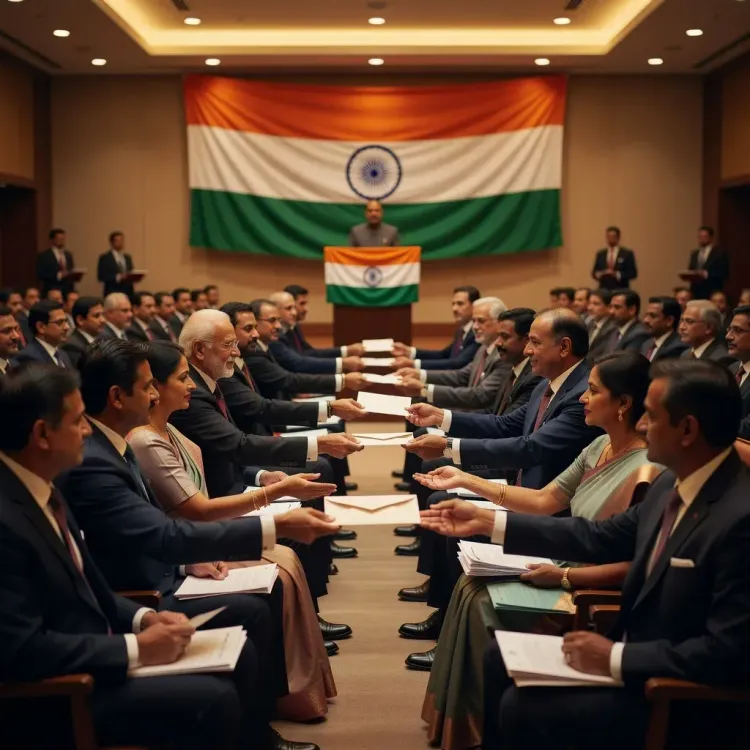
The Udyam Sammelan is not a photo-op investment summit — it is a direct-transfer event. Cheques, allotment letters, and loan sanction documents change hands in one sitting, cutting the gap between policy announcement and entrepreneur reality. The combination of MSME capital infusion, startup seed grants, and physical land allocation in a single session signals an intent to address three distinct chokepoints — working capital, early-stage funding, and industrial land access — simultaneously.
The Udyam Kranti Yojana sits at the centre of this ecosystem. The scheme channels state-backed loans to small businesses and first-generation entrepreneurs who typically struggle to meet commercial lending thresholds. Loan disbursements under the scheme, announced alongside land letters, suggest a pipeline that goes beyond one-time grants into structured credit access.
MP's MSME push and the national context
Madhya Pradesh has run successive small-enterprise support programmes since the early 2020s, positioning itself as a manufacturing and entrepreneurship destination in central India. The BJP administration under Dr. Yadav — who took office in December 2023 — has leaned heavily on decentralised, targeted disbursement events rather than concentrating all attention on large-scale investor summits. The logic: a ₹490 crore push spread across 950 units seeds growth across districts, not just industrial corridors.
The approach mirrors the architecture of national frameworks — Startup India and the Union government's MSME credit facilitation channels — but executed at state scale with direct CM-level visibility. That political signalling matters: when the chief minister hands over a cheque, the accountability chain is short and the message to entrepreneurs is unambiguous.
Watch whether utilisation reports and follow-up land allotments translate these disbursements into operational units — that is where the real industrial story of Madhya Pradesh will be written.
Point of View
CM-presided disbursement rather than a glossy investor pledge event — reflects a deliberate political and administrative choice: keep the feedback loop tight between announcement and delivery. For Dr. Mohan Yadav, who inherited the chief ministership in late 2023, these visible, ground-level interventions serve a dual purpose: building an industrial track record and reinforcing the BJP's small-business constituency ahead of future electoral cycles. The pairing of startup grants with MSME capital and land access in one session also suggests a maturing of state industrial policy — moving from single-instrument support toward a bundled, ecosystem approach that mirrors Union-level frameworks at a more granular scale.
NationPress
1 Nov 2026
Frequently Asked Questions
What is the Udyam Sammelan in Madhya Pradesh?
The Udyam Sammelan is a state-level conference organised by the Madhya Pradesh government to distribute financial assistance, land allotment letters, and loans directly to MSME units and startup founders in a single event.
How much money will be given to MSMEs at the Udyam Sammelan on 1 November 2026?
₹490 crore will be distributed to 950 MSME units at the Udyam Sammelan, with an additional ₹1.50 crore going to over 100 startups.
What is the Udyam Kranti Yojana?
The Udyam Kranti Yojana is a Madhya Pradesh government scheme that provides state-backed loans and financial support to small enterprises and first-generation entrepreneurs who may not meet standard commercial lending criteria.
Who is Dr. Mohan Yadav?
Dr. Mohan Yadav is the Chief Minister of Madhya Pradesh and a senior BJP leader who assumed office in December 2023 .
What is Madhya Pradesh doing to support startups?
The Madhya Pradesh government is providing direct seed funding — ₹1.50 crore to over 100 startups at the Udyam Sammelan — alongside broader MSME credit and land allotment programmes as part of the state's industrial promotion strategy.