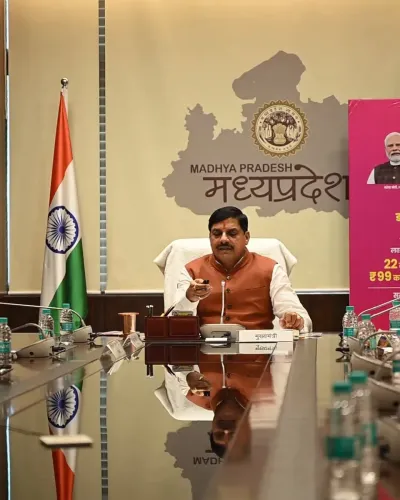
CM Mohan Yadav thanks Modi as MP gets ₹8,010 cr tax devolution

Synopsis
The Centre released ₹1,09,019 crore in additional tax devolution to states, with Madhya Pradesh receiving ₹8,010 crore. CM Dr. Mohan Yadav thanked PM Modi and FM Sitharaman, reaffirming the state government's commitment to development and public welfare.
Key Takeaways
The central government released an additional tax devolution instalment of ₹1,09,019 crore to states on 1 August 2026 .
Madhya Pradesh received ₹8,010 crore from this tranche.
Mohan Yadav publicly thanked PM Narendra Modi and Finance Minister Nirmala Sitharaman for the release.
Tax devolution to states is constitutionally mandated and governed by the 15th Finance Commission formula, which set the states' share at 41% of central taxes for 2021–26 .
Additional instalments beyond routine monthly releases are used to ease state liquidity and accelerate development spending.
The 15th Finance Commission cycle ends in 2026 , after which a new commission will reset devolution shares.
A financial shot in the arm for Madhya Pradesh — the central government has released an additional instalment of tax devolution worth ₹1,09,019 crore to states across India, with Madhya Pradesh receiving ₹8,010 crore from the tranche. Madhya Pradesh Chief Minister Dr. Mohan Yadav acknowledged the release on Saturday, 1 August 2026, expressing gratitude to the Union government for the fiscal transfer.
What the ₹8,010 crore means for Madhya Pradesh
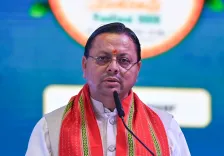
In his post, CM Dr. Mohan Yadav thanked Prime Minister Narendra Modi and Union Finance Minister Nirmala Sitharaman for the release, calling it part of ongoing efforts toward the economic prosperity of states. 'हमारी सरकार मध्यप्रदेश के विकास और जनकल्याण के प्रयासों को गति देने के लिए प्रतिबद्ध है' ('Our government is committed to accelerating efforts for the development and public welfare of Madhya Pradesh'), he wrote.
Tax devolution is not discretionary — it flows to states as a constitutional obligation, determined by the Finance Commission formula. The 15th Finance Commission recommended that states receive 41% of central divisible taxes for the period 2021–26, with each state's share calculated on criteria including population, area, income distance, and demographic performance. Madhya Pradesh's allocation reflects its standing on these parameters.
The broader devolution cycle and what drives the numbers
The total outgo of ₹1,09,019 crore in a single additional instalment signals a significant front-loading of funds to state treasuries. Such releases — beyond the regular monthly tranches — are typically used to ease liquidity pressure on states, particularly when development expenditure needs a mid-year boost. For a state like Madhya Pradesh, which has been investing in infrastructure, agriculture, and social welfare schemes, the timing matters as much as the quantum.
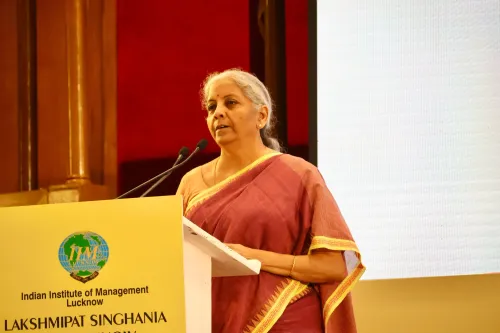
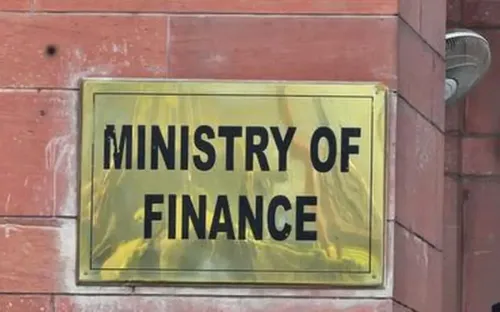
The Finance Minister Nirmala Sitharaman-led Union finance ministry controls the timing of these additional releases, making them a powerful lever in centre-state fiscal coordination. With the 15th Finance Commission cycle ending in 2026, the next commission's recommendations will reset devolution shares — making every current tranche a marker of the existing formula's final stretch.
Point of View
Publicly crediting PM Modi and FM Sitharaman reinforces the BJP's centre-state coordination narrative, a recurring theme in how state leaders of the party frame federal fiscal flows. The sheer size of the total release — over one lakh crore in a single tranche — also signals the Union government's intent to keep state treasuries liquid, likely to sustain capital expenditure momentum. Madhya Pradesh's ₹8,010 crore share will be watched for how quickly it translates into on-ground project disbursements.
NationPress
16 Sept 2026
Frequently Asked Questions
How much money did Madhya Pradesh receive in tax devolution in August 2026?
Madhya Pradesh received ₹8,010 crore as part of an additional tax devolution instalment of ₹1,09,019 crore released by the central government on 1 August 2026 .
What is tax devolution and how is it decided?
Tax devolution is the constitutionally mandated transfer of a share of central tax revenues to state governments. The share and formula are set by the Finance Commission; the 15th Finance Commission recommended 41% of central divisible taxes go to states for the period 2021–26 .
Why did CM Mohan Yadav thank PM Modi and Nirmala Sitharaman?
CM Dr. Mohan Yadav thanked PM Narendra Modi and Finance Minister Nirmala Sitharaman for the Centre's decision to release the additional tax devolution tranche, which includes ₹8,010 crore for Madhya Pradesh's development and welfare programmes.
What is the 15th Finance Commission and when does it end?
The 15th Finance Commission is the constitutional body that determined the formula for sharing central tax revenues with states for the period 2021 to 2026 . Its cycle ends in 2026 , after which a new commission will set the next devolution framework.
What will Madhya Pradesh use the ₹8,010 crore tax devolution for?
CM Dr. Mohan Yadav stated the funds will be used to accelerate development and public welfare efforts in Madhya Pradesh . States have discretion over how devolved funds are deployed across infrastructure, social schemes, and other priorities.