Nagaland Assembly unanimously urges Centre to scrap PAP regime
Synopsis
Every elected member of the Nagaland Legislative Assembly has backed a formal demand to scrap the Protected Area Permit regime — a 1958-era restriction that requires foreign nationals to obtain special clearance beyond a standard visa. The unanimous vote, driven by tourism and investment concerns, puts direct pressure on the Centre to act on a long-pending northeast India grievance.
Key Takeaways
The Nagaland Legislative Assembly unanimously adopted a resolution on 3 September urging the Centre to withdraw the Protected Area Permit (PAP) regime.
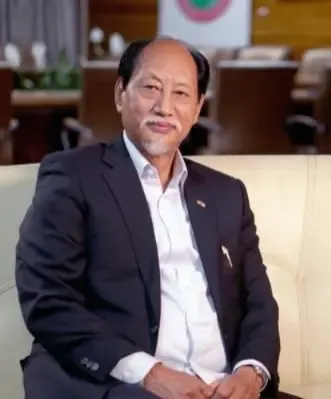
The resolution was moved by Deputy Chief Minister Yanthungo Patton , who holds the Home and Border Affairs portfolios.
The PAP regime, imposed under the Foreigners (Protected Areas) Order, 1958 , currently applies to Nagaland , Manipur , and Mizoram .
The Assembly cited the Hornbill Festival and the 'Land of Festivals' initiative as evidence of Nagaland's tourism potential being held back by the regime.
Civil society organisations, tribal bodies, and tourism stakeholders have repeatedly backed the demand for withdrawal or relaxation.
The state government assured the Centre that modern technology can replace the PAP with effective monitoring of foreign nationals.
The Nagaland Legislative Assembly on Thursday, 3 September unanimously adopted a government resolution calling on the Centre to urgently review and withdraw the Protected Area Permit (PAP) regime applicable to the state, and to restore the relaxation that had previously been in operation. The resolution marks the strongest collective legislative signal yet from Kohima on an issue that has long frustrated tourism operators, investors, and civil society across Nagaland.
What the Resolution Says
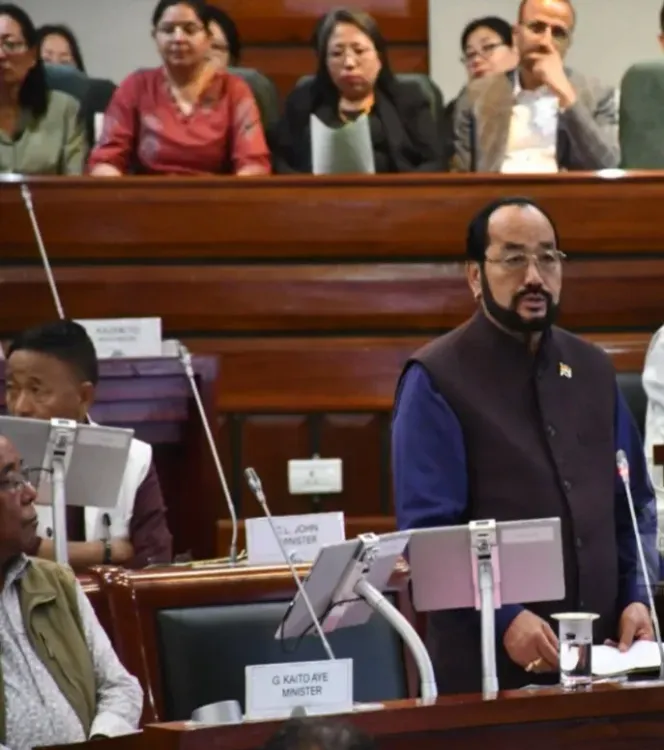
The resolution was moved by Deputy Chief Minister Yanthungo Patton, who also holds the Home and Border Affairs portfolios, and was adopted without dissent by the full House during the 9th session of the 14th Nagaland Legislative Assembly. It argued that the continuation of the PAP regime has created tangible barriers to international tourism, investment, business engagement, cultural exchange, and cross-border partnerships.
The Assembly simultaneously reaffirmed the state government's commitment to national security, assuring the Centre that robust systems for the registration, regulation, and monitoring of foreign nationals could be established through modern technology and close coordination with the Government of India and its agencies.
Tourism and Economy at the Heart of the Demand
The resolution pointed to tourism — alongside the service and creative sectors — as an increasingly vital source of employment and livelihood, particularly for Nagaland's youth. It specifically cited the Hornbill Festival and the 'Land of Festivals' initiative as programmes that have demonstrated Nagaland's capacity to attract international attention, project India's cultural diversity, and generate economic opportunities for local communities and entrepreneurs.
Notably, the Assembly observed that regulatory arrangements which have 'outlived their developmental relevance' should not become barriers to economic opportunity or employment generation — a pointed phrase directed at a permit system that dates back to 1958.
What Is the PAP Regime
The Protected Area Permit regime, imposed under the Foreigners (Protected Areas) Order, 1958, regulates and restricts the entry of foreign nationals into designated areas. It currently applies to Nagaland, Manipur, and Mizoram. Foreign visitors to these states are required to obtain a PAP in addition to a standard visa, a requirement that tourism industry stakeholders argue significantly suppresses inbound international travel and investment interest.
An earlier relaxation of the regime had been in operation before being reversed, and it is the restoration of that relaxation — or a complete withdrawal — that the Assembly has now formally demanded.
Broad Civil Society Backing
The resolution noted that civil society organisations, tribal bodies, tourism stakeholders, entrepreneurs, and other sections of Naga society have repeatedly expressed their desire for the withdrawal or relaxation of the PAP regime, lending the legislative demand a wider social mandate beyond party lines.
What Happens Next
The resolution is an appeal — it does not compel the Centre to act — but its unanimous adoption carries political weight. The Assembly has called on the Government of India to give 'urgent and favourable consideration' to the demand and take appropriate measures for the complete withdrawal or relaxation of the PAP regime. The Centre's response, and whether it chooses to restore the earlier exemption or pursue a full repeal, will be closely watched by tourism and investment stakeholders across the northeast.
Point of View
A single-voice resolution is rare and deliberate. The PAP regime is a relic of a security calculus from 1958, applied to a Nagaland that looks very different today. What the Assembly is really arguing is that the cost of the permit — measured in lost tourism revenue, stunted investment, and youth unemployment — now outweighs any marginal security benefit, especially when modern tracking tools exist. The Centre's silence on this long-pending demand has itself become a policy choice, and one that the northeast's growing economic aspirations are making harder to sustain.
NationPress
19 Oct 2026
Frequently Asked Questions
What is the Protected Area Permit (PAP) regime in Nagaland?
The Protected Area Permit regime, established under the Foreigners (Protected Areas) Order, 1958, requires foreign nationals to obtain a special permit — beyond a standard visa — to enter designated areas including Nagaland, Manipur, and Mizoram. It was originally introduced for security reasons but has been criticised for restricting tourism and investment in these states.
Why is Nagaland demanding the withdrawal of the PAP regime?
The Nagaland Legislative Assembly argues that the PAP regime creates barriers to international tourism, investment, cultural exchange, and business engagement. The state points to the Hornbill Festival and other initiatives as proof of untapped tourism potential that the permit system is suppressing, particularly for youth employment.
Who moved the resolution in the Nagaland Assembly?
The resolution was moved by Deputy Chief Minister Yanthungo Patton, who also holds the Home and Border Affairs portfolios, and was unanimously adopted during the 9th session of the 14th Nagaland Legislative Assembly on 3 September.
Does the resolution compel the Centre to act?
No. The resolution is a formal legislative appeal and does not legally bind the Centre. However, its unanimous adoption carries political weight and formally places the demand on record, calling on the Government of India to give urgent and favourable consideration to withdrawing or relaxing the PAP regime.
What security assurances has the Nagaland government offered?
The state government assured the Centre that appropriate systems for the registration, regulation, and monitoring of foreign nationals can be put in place through modern technology and close coordination with the Government of India and its agencies, effectively arguing that the PAP can be replaced without compromising security.