Nagpur RSS HQ radioactive threat: ATS, NDRF sweep sites after letter
Synopsis
An anonymous letter claiming Caesium-137 has been planted at the RSS headquarters and multiple Nagpur sites has put the city on high alert — with ATS and NDRF finding nothing so far. The threat, attributed to a shadowy group called 'DSS', also links to a recent explosives discovery, raising questions about whether this is an elaborate hoax or something more sinister.
Key Takeaways
Anonymous letter received by Police Commissioner Dr Ravindrakumar Singal on 27 April claimed Caesium-137 was planted at RSS HQ and other Nagpur sites.
The letter was purportedly sent by a group calling itself 'DSS' , which also claimed responsibility for detonators and gelatin sticks found near Dosar Bhavan Metro Station .
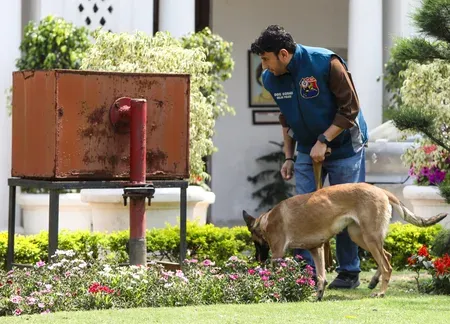
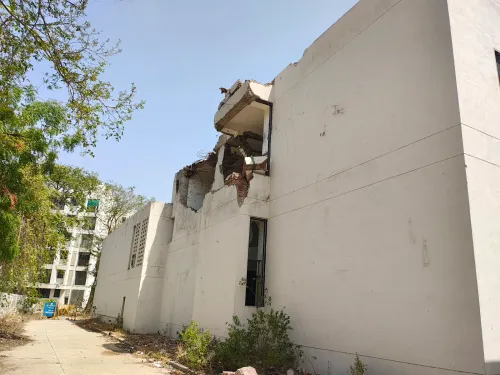
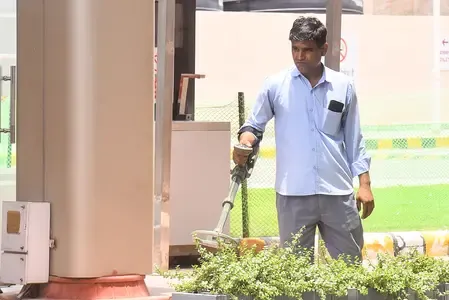
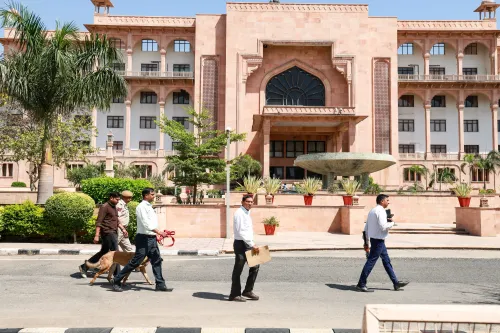
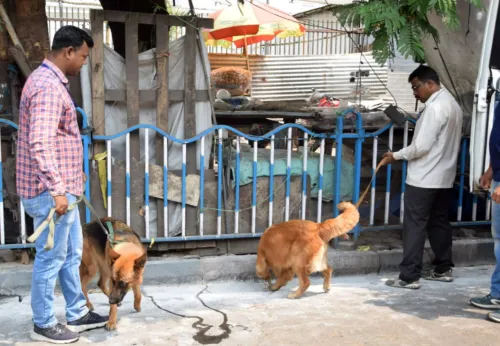
ATS , NDRF , and atomic energy experts swept all named locations; no radioactive material was found in initial searches.
Sites named in the threat include the BJP office in Ganeshpeth , Metro Orange and Aqua line trains , and 'Aapli Bus' city buses.
A case has been registered at Sadar Police Station ; the RSS HQ is under 24-hour multi-layer security by 150 CISF personnel and Nagpur Police.
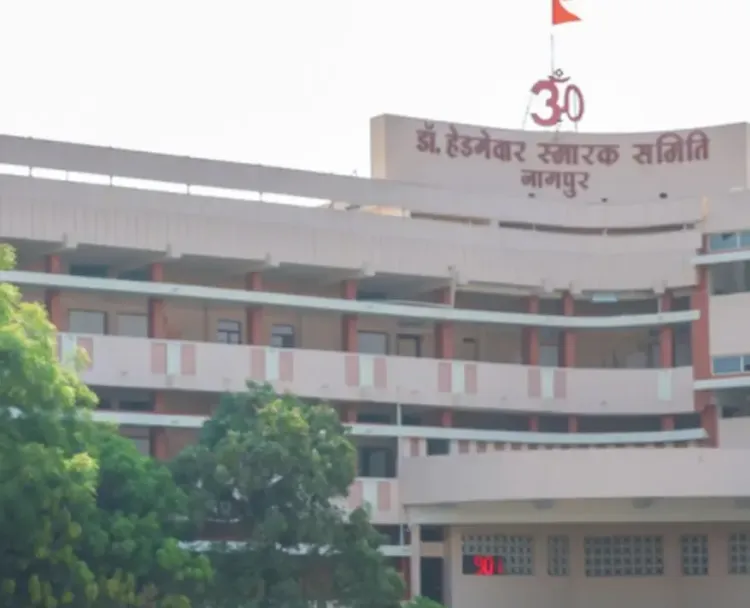
A high-security alert was sounded in Nagpur, Maharashtra, on 30 April after an anonymous letter reached Police Commissioner Dr Ravindrakumar Singal claiming that Caesium-137, a highly dangerous radioactive substance, had been planted at the Rashtriya Swayamsevak Sangh (RSS) headquarters in Mahal and the Dr Hedgewar Smriti Mandir in Reshimbagh. The threat has triggered a sweeping investigation involving the Anti-Terrorism Squad (ATS) and the National Disaster Response Force (NDRF), with initial searches at all named locations returning no traces of radioactive material.
What the Threat Letter Claimed
The letter, written in English and purportedly sent by an organisation calling itself 'DSS', was received via post on 27 April. It contained highly objectionable language against the RSS and alleged that Caesium-137 — a radioactive isotope produced as a byproduct of nuclear fission, with a half-life of 30.05 years and capable of emitting beta particles and gamma rays — had been dispersed at multiple locations across the city.
According to police sources, the letter named the following sites: the RSS Headquarters in Mahal, the Reshimbagh Smriti Mandir, the BJP office in Ganeshpeth, seats aboard Metro trains on both the Orange and Aqua lines, and 'Aapli Bus' city buses operating on routes near the RSS and BJP offices. The letter also claimed the radioactive material was sourced from a cancer hospital, without specifying which one.
In a direct challenge to authorities, the letter reportedly stated:
Point of View
Technically detailed, and timed to maximise panic around a high-profile target. The invocation of Caesium-137 — a real and dangerous isotope — alongside a reference to a genuine prior explosives find near Dosar Bhavan Metro Station gives the letter a veneer of credibility that authorities cannot afford to dismiss. Yet the absence of any radioactive material in initial sweeps points strongly to a hoax designed to stretch security resources and generate fear. What warrants scrutiny is the 'DSS' claim of responsibility for the earlier detonator find — if verified, it would elevate this from mischief to a coordinated intimidation campaign against political and ideological targets.
NationPress
19 Sept 2026
Frequently Asked Questions
What did the anonymous threat letter in Nagpur claim?
The letter claimed that Caesium-137, a radioactive isotope with a 30-year half-life, had been planted at the RSS headquarters in Mahal, the Dr Hedgewar Smriti Mandir in Reshimbagh, the BJP office in Ganeshpeth, Nagpur Metro trains, and city buses. It was received by Police Commissioner Dr Ravindrakumar Singal on 27 April and purportedly sent by a group calling itself 'DSS'.
Was any radioactive material found at the RSS headquarters or other sites?
No. Initial searches conducted by ATS, NDRF, and atomic energy experts at all named locations — including the RSS headquarters, Metro stations, and bus routes — did not find any traces of radioactive material. Authorities suspect the threat may be a hoax or deliberate mischief.
What is Caesium-137 and why is it dangerous?
Caesium-137 is a radioactive isotope produced as a byproduct of nuclear fission of uranium in reactors and weapons. It does not occur naturally, has a half-life of 30.05 years, and emits beta particles and powerful gamma rays, making it hazardous to human health over prolonged exposure.
Who is the 'DSS' organisation that sent the letter?
'DSS' is the name the anonymous letter-writer used to identify the group behind the threat. The same group reportedly claimed responsibility for detonators and gelatin sticks found in an open plot behind Dosar Bhavan Metro Station. Authorities are actively working to trace the origin of the letter and identify the organisation.
What security measures are currently in place in Nagpur?
The RSS headquarters is under 24-hour multi-layer security provided by 150 CISF personnel and Nagpur Police. Security around Metro infrastructure and other named sites has been intensified. A case has been registered at Sadar Police Station on a complaint filed by the ATS.